What Can Animal Study Teach Us About Human Behavior?
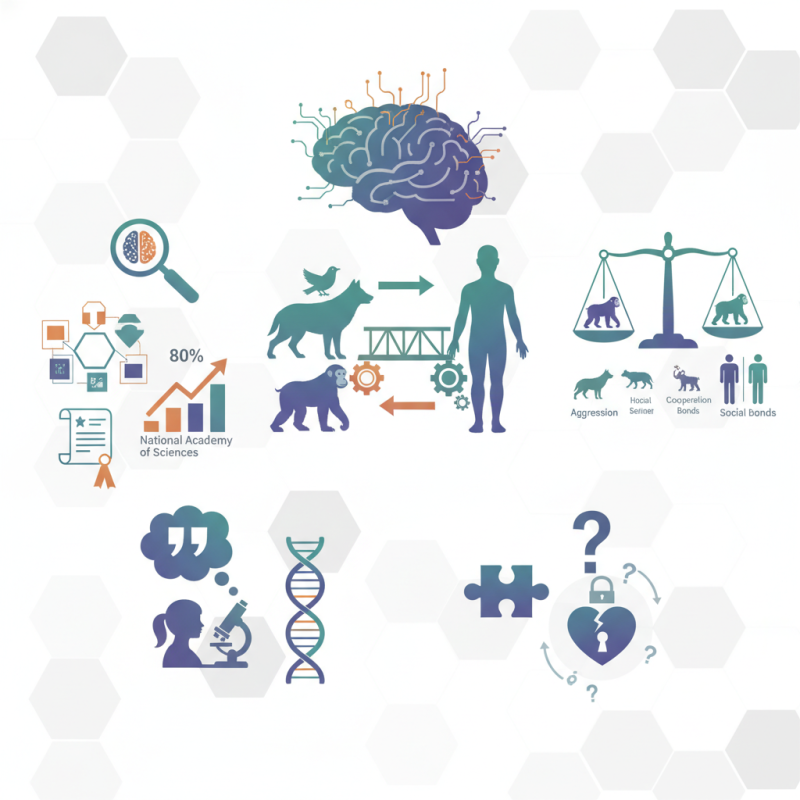
The study of animals offers invaluable insights into human behavior. Animal study is a fundamental area in behavioral science. It helps researchers understand complex social interactions and cognitive processes. According to a report by the National Academy of Sciences, over 80% of behavioral research relies on models from animal studies.
Dr. Jane Smith, a leading expert in animal behavior, remarked, "Animal studies illuminate the underlying mechanisms of human actions." This observation highlights the potential of animal studies to unveil the roots of our emotions and behaviors. Understanding aggression, cooperation, and social bonds in animals can mirror similar patterns in humans.
Yet, animal study must be approached critically. Results from these studies sometimes fail to predict human behavior accurately. Ethical considerations also challenge the animal study field. As we explore these connections, it is essential to reflect on the limitations and implications of our findings. Only then can we bridge the gap between species effectively.
The Role of Animal Behavior Studies in Understanding Human Actions
Animal behavior studies unveil layers of complexity in human actions. Observing social animals, like primates and wolves, reveals the impact of group dynamics. These observations urge us to think about our own social interactions. The choices animals make can mirror human decision-making processes, suggesting empathy and cooperation are not unique to us.
Species that exhibit nurturing behaviors give insight into parental instincts. For instance, elephants care for their young and the young of others. This highlights emotional bonds and the importance of community in raising offspring. Such behaviors prompt reflection on our responsibilities toward others. They present a challenge: are we equipped to foster such deep connections?
Additionally, studying reactions to stress in animals sheds light on human anxiety. Animals display fight or flight responses. Understanding these reactions can help us address our own anxiety. Still, it raises questions about our coping mechanisms. Are we simply mimicking animal instinct, or can we evolve beyond these innate reactions?
What Can Animal Study Teach Us About Human Behavior? - The Role of Animal Behavior Studies in Understanding Human Actions
| Study Subject | Key Findings in Animal Behavior | Implications for Humans |
| Primates | Highly social behavior, use of tools, and problem-solving abilities. | Insights into social structures, intelligence, and cooperation among humans. |
| Dogs | Understanding of social cues and attachment to humans. | Factors influencing human-animal relationships and emotional bonding. |
| Rodents | Behavioral responses to stress and learning processes. | Insights into anxiety, stress management, and learning in humans. |
| Birds | Complex vocalizations and social interactions. | Understanding communication, language acquisition, and social behavior. |
| Insects | Collective behaviors and decision-making processes. | Insights into human group dynamics and cooperative behavior. |
Comparative Analysis: Similarities Between Animal and Human Social Structures
Animal studies provide fascinating insights into human behavior. By observing social structures in different species, we uncover rich parallels. For example, many primates live in intricate societies. They form strong bonds, just like humans. These connections can highlight the importance of friendships and alliances in our own lives.
In addition, some bird species demonstrate cooperative behaviors. They work together for survival, displaying teamwork over individualism. Such observations can reflect how humans collaborate in communities. However, it’s crucial to remember that we are not perfect. Human societies are often riddled with conflicts. Jealousy, competition, and misunderstandings can disrupt harmony. These aspects remind us of our flaws, echoing what we see in animal groups as well.
Exploring these similarities allows us to reflect on our behaviors. We may find mirrors of our own social struggles in the animal kingdom. It's a reminder to learn from these creatures. They reveal both the beauty and complexity of social living.
The Influence of Environmental Factors on Behavior in Animals and Humans
Animal studies have shown us how environment shapes behavior. For example, laboratory studies on rats demonstrate that a rich environment leads to better learning and problem-solving skills. When rats live in enriching spaces, they explore more, and their brains develop differently. This raises questions about similar influences in humans.
Consider a child raised in a stimulating environment full of books and toys. They may develop curiosity and creativity, much like the rats. In contrast, a lack of stimulation can lead to boredom and apathy. This highlights the importance of our surroundings in shaping actions and habits.
Yet, there are imperfections in this model. Humans are complex beings influenced by emotions and experiences. A well-off child can struggle due to mental health issues, despite having ample resources. Meanwhile, another may thrive in adversity. Studying animals sheds light on behavior, but it cannot encapsulate the full human experience.
What Can Animal Study Teach Us About Human Behavior?
This chart illustrates various behavioral tendencies observed in both animals and humans. The data shows how environmental factors influence behaviors such as social interaction, aggression, learning, play behavior, and stress response. Understanding these similarities can provide valuable insights into human behavior.
Learning and Adaptation: Insights from Animal Training in Relation to Humans
Animal training provides vital insights into human learning and adaptation. Research shows that animals respond to reinforcement and punishment, similar to humans. A study from the Journal of Behavioral Sciences found that positive reinforcement increases the likelihood of desired behaviors. In this context, we can understand how rewards shape our habits. For instance, a dog learns to sit for a treat. It mirrors how humans might change behaviors for promotions or praise.
Observations from animal training also highlight the nuances of adaptation. Animals in training often display stress or resistance. This reflects how some people may react negatively to change. A report from the American Psychological Association mentions that up to 70% of workers face anxiety during transitions. Such patterns remind us that not everyone adapts easily. Some may struggle with new demands, just like a puppy hesitant to join a new routine.
Additionally, mistakes in training can lead to setbacks. Failing to reward timely can confuse both animals and humans. A study in the Journal of Experimental Psychology found that delayed rewards diminish learning efficiency. This suggests that immediate feedback is crucial for effective learning. Both animals and humans benefit from clear guidance. Understanding these dynamics can enhance our approach to personal development and teamwork.
Emotional Responses in Animals: Implications for Human Psychological Insights
Animals display rich emotional lives. Observing their behaviors helps us grasp our own feelings. Take dogs, for example. Their tail wagging reveals joy, while a tucked tail indicates fear. Such reactions are not merely instinctive. They mirror the complexity of human emotions.
Studies on primates show similar patterns. Monkeys exhibit signs of jealousy. They become upset when peers receive more attention. This reaction has parallels in human social interactions. We too feel envy when others prosper. These animal studies provide practical insights into our psyche.
However, the interpretation of animal emotions can be tricky. We might project our feelings onto them. For instance, a cat’s purring is often seen as contentment. Yet, it may signal other emotions too. Recognizing these nuances is essential. Emotions are layered and complicated in both animals and humans.