Top 10 Benefits of Using a Reclining Wheelchair for Comfort
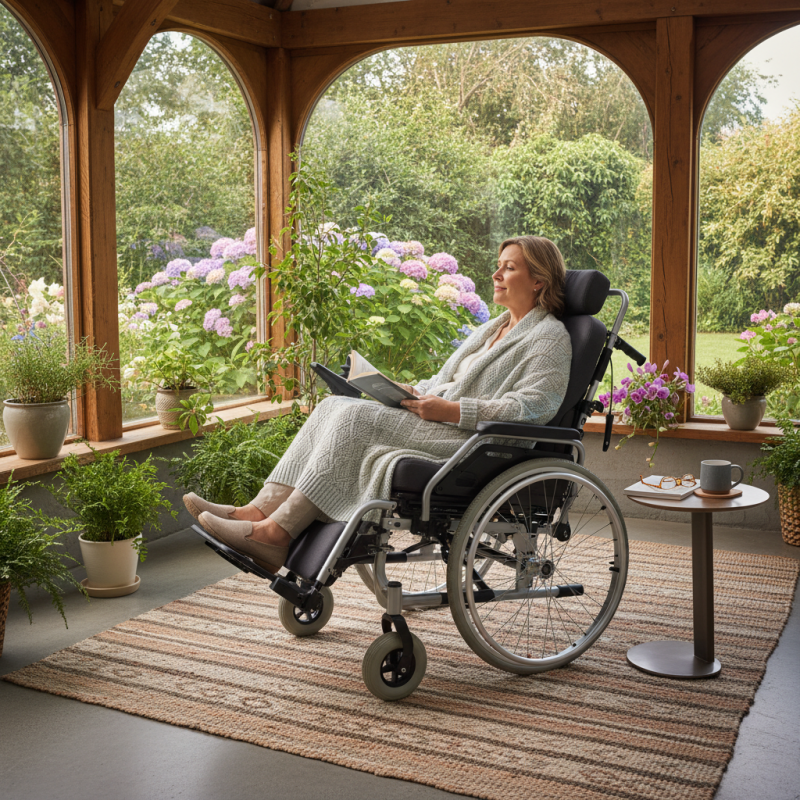
The use of a Reclining Wheelchair can greatly enhance comfort for individuals with mobility challenges. These wheelchairs offer a unique design that allows users to adjust their seating position. This feature can relieve pressure on the back and improve circulation. People often underestimate how much comfort impacts daily life. A simple adjustment can make a significant difference in one’s well-being.
Reclining wheelchairs are not just about comfort; they promote better posture and reduce the risk of developing pressure sores. Users can find the right position that suits their needs, whether resting or engaging in activities. However, finding the perfect fit takes time and testing. It is essential to assess what works best for you or your loved ones.
While reclining wheelchairs provide various benefits, they can sometimes feel bulky or less maneuverable. This leads to frustration when navigating tight spaces. It is worth considering the balance between comfort and convenience. Ultimately, the advantages of a reclining wheelchair often outweigh the drawbacks, making them an invaluable tool for many.
Top 10 Benefits of Using a Reclining Wheelchair for Comfort
Reclining wheelchairs have grown in popularity. They offer significant benefits for comfort and support. According to industry data, over 60% of users report improved comfort levels. This is essential for individuals with limited mobility. Comfortable seating can reduce pressure sores, a common concern for wheelchair users.
Reclining feature allows adjustments for various positions. Users can shift their weight easily. This can prevent muscle fatigue during long periods of seated activity. Studies show that reclining can also enhance circulation. Proper blood flow is critical for overall health, especially for those who are sedentary.
However, some users face challenges. Transitioning into a reclining wheelchair requires practice. Not everyone finds it easy to adjust. Additionally, maintenance can be complex. Poorly maintained chairs may not function properly, impacting the user’s experience. These factors need consideration when choosing a reclining wheelchair.
Understanding the Importance of Comfort in Wheelchair Design
Understanding comfort in wheelchair design is crucial. A reclined position can alleviate pressure points. This reduces discomfort during prolonged use. Users can shift their weight more easily in a reclining wheelchair. It helps prevent pressure sores, a common issue for many.
Comfort also impacts mental well-being. A person who feels comfortable is more likely to be active. This encourages social interaction and engagement. Sometimes, design fails to prioritize comfort. Some wheelchairs may lack adequate cushioning or support. It's essential for manufacturers to consider user feedback.
Incorporating comfort features can greatly enhance the experience. Adjustable footrests and back support can make a big difference. Regular assessments of comfort levels are vital. Users should reflect on their daily experiences to improve designs. It's a continuous process, requiring attention and adaptation.
The Role of Posture in Reducing Pressure Ulcers and Discomfort
Reclining wheelchairs offer significant comfort, particularly in maintaining proper posture. Good posture is essential in reducing the risk of pressure ulcers. When a user sits in an upright position for too long, pressure can build up on certain body areas. Reclining helps distribute weight more evenly. This can prevent skin breakdown and discomfort.
Proper alignment is crucial. It keeps the spine straight and minimizes strain. A thoughtfully designed recline feature allows the user to shift positions. This shift is vital for blood circulation. Blood flow supports healing and skin health.
Tips for Effective Use:
Adjust the reclining position regularly. Even a small change can alleviate pressure. Encourage movement when possible. Simple shifts can enhance comfort. Additionally, consider using cushions or padding to further distribute weight.
Users may notice some discomfort in reclining. It might take time to find the perfect angle. Monitoring these adjustments is key. Discuss any pain with caregivers or healthcare professionals.
Top 10 Benefits of Using a Reclining Wheelchair for Comfort
This chart represents the benefits of using a reclining wheelchair, focusing on aspects that contribute to comfort, posture improvement, and pressure ulcer reduction.
How Reclining Features Enhance Blood Circulation for Users
Reclining wheelchairs offer significant benefits for users, especially in enhancing blood circulation. When in a reclined position, pressure on the lower back and legs decreases. This position allows for better blood flow. Studies show that improved circulation can reduce the risk of pressure sores. Users often experience increased comfort, which promotes overall well-being.
Circulation problems can lead to serious health issues. Rigid wheelchairs may not provide adequate support for users who need it. The reclining feature allows individuals to shift weight easily. This can prevent long periods of sitting in one position. A report from the National Institute of Health highlights that proper seating posture is vital for maintaining good circulation.
Tips for using a reclining wheelchair include adjusting the angle regularly. A slight change in position can make a big difference. Aim for a 30-degree angle to promote better circulation. Also, ensure that footrests are at the right height to support your legs. Even a minor adjustment can alleviate discomfort. Regularly monitor for any signs of pressure sores. It’s essential to respond promptly to any issues.
Top 10 Benefits of Using a Reclining Wheelchair for Comfort
| Benefit | Description | Impact on Blood Circulation |
| Enhanced Comfort | Reclining wheelchairs allow users to adjust their seating position for optimal comfort. | Reduces pressure points, promoting better blood flow. |
| Improved Posture | Reclining features help maintain proper spinal alignment. | Encourages healthy circulation due to proper alignment. |
| Pressure Relief | Reclining positions help alleviate pressure on sensitive areas. | Decreases risk of pressure sores, enhancing blood circulation. |
| Relaxation | Allows for a rest in reclining position, facilitating relaxation. | Promotes relaxation, reducing stress on the heart. |
| Facilitated Transfers | Easier movement in and out of the chair due to adjustable height and angle. | Ensures better blood flow during transfers, minimizing strain. |
| Restorative Positioning | Allows for positioning that aids in recovery and rest. | Aids blood circulation by promoting even weight distribution. |
| Versatile Use | Suitable for various activities like eating, relaxing, or socializing. | Encourages active engagement, supporting overall health. |
| Customizable Comfort | Users can adjust the settings to their personal comfort level. | Personalizable positions enhance individual blood circulation needs. |
| Aesthetic Appeal | Modern designs that fit well in home and social environments. | Encourages users to remain socially active, benefiting their circulation. |
| Increased Independence | Users gain more control over their positioning and comfort. | Supports physical well-being through self-management of comfort. |
The Psychological Benefits of Increased Comfort in Mobility Aids
Comfort plays a significant role in the use of mobility aids. A reclining wheelchair offers enhanced physical relaxation. Users can adjust their position, alleviating pressure on their bodies. This flexibility can lead to improved circulation and reduced discomfort. When a user feels comfortable, their mood often improves. The connection between comfort and happiness is well-documented.
Tips: Always allow time to adjust the settings of your wheelchair. Spend a few minutes finding your preferred position.
Increased comfort can also influence mental well-being.
Higher comfort levels can reduce anxiety. Users may feel more confident moving around. This shift in mindset is vital for personal independence.
Feeling at ease can also foster social interactions. Comfortable users are more likely to engage with others.
Tips: Consider adding personalized cushions for additional support. Small changes can make a big difference.
Lastly, psychological barriers may arise from past experiences. Those who have faced discomfort might be hesitant to use mobility aids. Addressing this concern is important. Encouraging discussions about comfort can help users overcome fears. Understanding their needs can enhance their mobility experience.
Conclusion
The article "Top 10 Benefits of Using a Reclining Wheelchair for Comfort" highlights the significance of comfort in wheelchair design and its direct impact on user well-being. It emphasizes the importance of posture in preventing pressure ulcers and discomfort, noting how a reclining wheelchair can enhance blood circulation, which is vital for maintaining the health of users. Additionally, the article discusses the psychological advantages of increased comfort in mobility aids, suggesting that users of reclining wheelchairs often experience greater satisfaction compared to those using standard models.
Through a comparative analysis of user satisfaction, the article demonstrates that reclining wheelchairs not only provide physical benefits but also contribute to a better overall quality of life for individuals with mobility challenges. By prioritizing comfort and effective posture support, reclining wheelchairs emerge as a crucial tool for enhancing the daily experiences of their users.