
The market for Single Herb Granules has been gaining attention in the health and wellness industry. According to a report by the Herbal Products Association, these granules are increasingly favored for their convenience and potency. They offer a concentrated source of herbs, making it easier to harness their benefits. Experts believe that the granules can enhance your overall health when used correctly.
Dr. Emily Chen, a leading herbalist, states, "Single Herb Granules provide a practical way to access the power of herbs without the hassle of preparation." This assertion highlights a growing trend among health-conscious individuals. They seek effective solutions that fit into modern lifestyles. However, the effectiveness of these granules can vary. The variations in quality and sourcing need careful consideration.
Thus, while Single Herb Granules show promise, consumers must remain vigilant. The complexity of the industry adds a layer of challenge. Selecting high-quality products should not be overlooked. Addressing these concerns can help maximize the health benefits that Single Herb Granules offer.
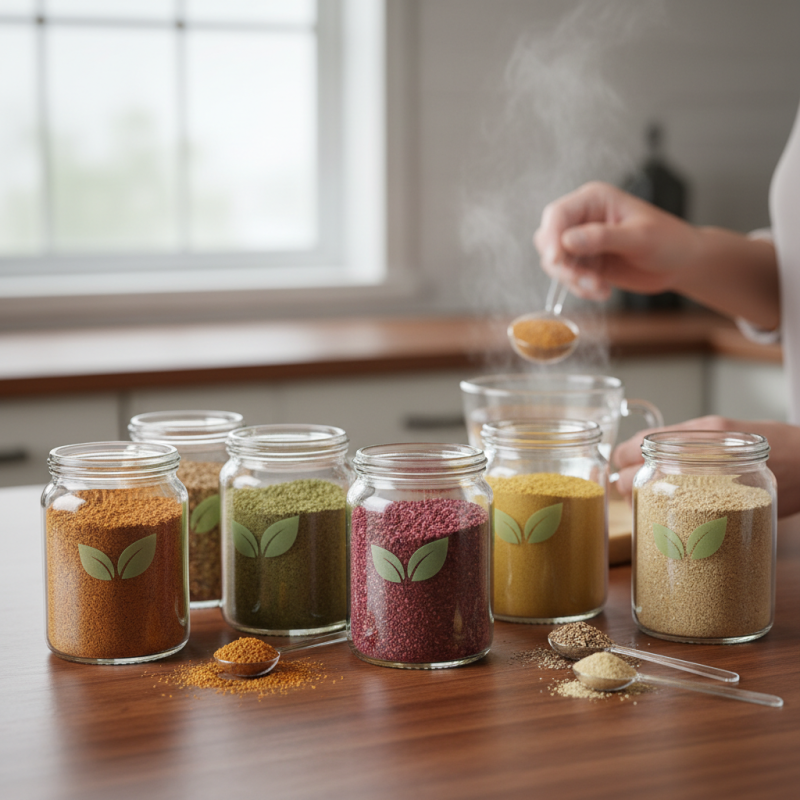
Single herb granules are popular in herbal medicine. They offer a concentrated form of plant benefits. These granules are easy to use. They can enhance health in various ways. Many people appreciate their natural approach to wellness.
Different herbs provide unique benefits. For example, ginger granules support digestive health. They can soothe nausea and promote better digestion. Likewise, turmeric granules are known for their anti-inflammatory properties. They may aid in joint health and overall wellness. Users have reported positive effects, but results can vary.
When choosing single herb granules, quality matters. Not all products are created equal. It's important to research sourcing and processing methods. Some granules may lack potency or purity. Personal experiences can guide choices. Keeping an open mind is vital. Not every herb works for every individual. Experimentation can be necessary to find what truly benefits you.
Single herb granules have gained popularity for their diverse health benefits. Many people opt for these granules for their ease of use. They can be added to food or drinks. This convenience allows individuals to incorporate herbs into their daily routines effortlessly.
Ginger granules, for example, are renowned for their digestive benefits. Some people use them to alleviate nausea. Turmeric granules are often praised for their anti-inflammatory properties. They can support joint health and improve overall wellness. Another popular choice is garlic granules, known for their immune-boosting effects. While beneficial, not everyone enjoys their strong flavor.
Not all herbs suit everyone. Some may cause allergic reactions or interact with medications. Therefore, it’s wise to consult a healthcare professional before starting any herb regimen. Everybody’s body responds differently. Therefore, keeping a personal health journal can help track reactions. Doing so helps refine the herb choices best suited to individual needs.
This chart represents the health benefits scores of popular single herb granules based on traditional uses. Each score reflects the estimated effectiveness of the herb for health-related purposes.
Granules made from single herbs are gaining popularity for their health benefits. These granules extract potent compounds, offering concentrated nutrition. For example, ginseng granules are well-known for enhancing energy levels and cognitive function. A study published by the Journal of Ethnopharmacology noted a significant improvement in mental performance among participants who used ginseng.
Another example is turmeric granules. They contain curcumin, a compound linked to anti-inflammatory properties. Recent reports suggest that curcumin can reduce symptoms of arthritis and improve joint health. A meta-analysis in the Journal of Medicinal Food highlighted the effectiveness of turmeric in promoting overall well-being.
Tips: When choosing single herb granules, look for sources that provide clear nutritional information. Quality can vary widely among products. Always read labels and check for any additives. Keep in mind, herbal remedies can interact with medications. It's important to consult a healthcare professional before beginning any new regimen.
Additionally, remember that not all granules are created equal. Some may lose potency during processing. Researching the origin and processing method of the herbs can make a big difference. Even popular choices might have inconsistencies in quality. Stay informed for optimal health benefits.
| Herb Name | Primary Benefits | Common Uses | Nutritional Profile (per 100g) |
|---|---|---|---|
| Ginger | Anti-inflammatory, digestive aid | Teas, cooking, supplements | 80 kcal, 18g carbs, 2g protein, 0.75g fat |
| Turmeric | Antioxidant, anti-inflammatory | Curries, teas, health supplements | 354 kcal, 65g carbs, 8g protein, 10g fat |
| Garlic | Immune booster, heart health | Cooking, supplements, herbal remedies | 149 kcal, 33g carbs, 6g protein, 0.5g fat |
| Cinnamon | Blood sugar control, anti-inflammatory | Baking, beverages, supplements | 247 kcal, 81g carbs, 4g protein, 1g fat |
| Peppermint | Digestive aid, cooling effect | Teas, candies, aromatherapy | 70 kcal, 15g carbs, 3g protein, 0.2g fat |
Incorporating single herb granules into your diet can be a simple yet effective way to boost your health. These granules are often rich in vitamins, minerals, and antioxidants. Sprinkle them on your meals for added nutrients. For instance, adding kelp granules to salads can enhance flavor and provide essential trace minerals.
You can also mix herb granules into smoothies. A spoonful of spirulina or moringa granules blends seamlessly with fruits. This addition not only improves taste but also packs a nutritional punch. Additionally, consider stirring them into soups or stews. The heat won’t diminish their benefits, making it a practical choice for warm dishes.
Experimenting with amounts might lead to unexpected flavors. Start with small quantities to avoid overwhelming your dishes. Sometimes, less is more. It’s worth noting that some granules may have a strong taste. Pay attention to how your body reacts. Adapting recipes can help you find balance. Let your taste buds guide you, but stay mindful of your health needs.
Herb granules have gained popularity for their health benefits, but safety is key. While many herbs are beneficial, some can cause side effects. For instance, certain granules may lead to digestive issues. Users report gas or bloating after consumption. It’s essential to monitor how your body reacts.
Some herbs might interact with medications. This can create unexpected results. A common example is St. John's Wort, which can reduce the effectiveness of certain prescriptions. Always consult with a healthcare provider before starting any herbal regimen. The advice is simple: be cautious.
Allergies are another concern. Individuals might react negatively to specific herbs. Symptoms can range from mild to severe. Skin rashes, itching, or even swelling can occur. Take time to investigate each herb in granule form. Understand the potential risks involved. Consider keeping a journal of your responses to each one. This awareness will help you in your herbal journey.