Best Sludge Press Methods for Effective Waste Management?
Effective waste management is critical in today’s environmental landscape. Sludge Press methods have gained attention for their efficiency in handling waste. According to Dr. Emily Carter, a leading expert in waste management technologies, "The future of waste treatment relies heavily on innovative Sludge Press solutions."
These technologies not only reduce the volume of waste but also recycle resources. Implementing a reliable Sludge Press can reduce environmental impact significantly. However, many facilities face challenges in selecting the right methods. Each Sludge Press system is unique, and mistakes can lead to inefficiencies and increased costs.
The process is complex and requires careful consideration. Some facilities underestimate maintenance needs. Others may misjudge equipment capabilities. A successful waste management strategy involves continuous reassessment of Sludge Press operations. It's essential to reflect on these challenges, addressing them for lasting solutions.
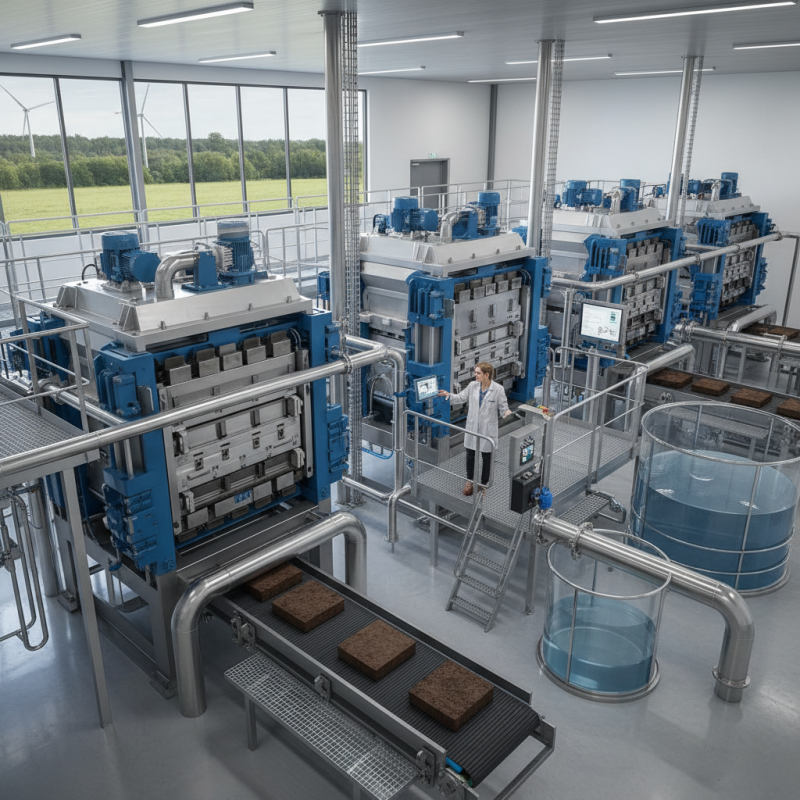
Overview of Sludge Press Methods in Waste Management
Effective waste management requires the right sludge press methods. These methods help reduce volume and weight, making disposal easier. Common techniques include screw presses, plate and frame filters, and belt presses. Each method has unique pros and cons. For example, screw presses are energy-efficient but may not remove all moisture.
When considering a sludge press, think about your specific needs. Factors like sludge type and desired dryness play a role. A good tip is to analyze your current sludge characteristics. This analysis helps determine which method is most suitable.
Regular maintenance of your pressing equipment is crucial. Neglect can lead to decreased efficiency and increased operational costs. A timely inspection schedule can be beneficial. Ensure you understand the sludge’s composition and adjust the operational parameters accordingly. The method you choose can greatly influence the overall sustainability of your waste management approach.
Key Principles of Sludge Dewatering Techniques
Sludge dewatering is crucial in waste management. Effective techniques can significantly reduce waste volume. This process not only makes handling easier but also prepares sludge for disposal or treatment. Key principles guide the methods used. Understanding these can enhance efficiency and sustainability.
One common method is mechanical dewatering. It involves pressing the sludge to remove excess water. This technique is effective but requires proper equipment and maintenance. It may not always achieve the desired dryness. Be mindful of the energy and maintenance costs involved. Regular checks can prevent equipment failure.
Another approach is thermal drying. This method uses heat to evaporate water. It can be highly effective, especially for high-solids sludge. However, it requires careful monitoring to avoid combustion. It may not be suitable for all waste types.
Tips: - Evaluate your waste type before selecting a method.
- Monitor performance regularly.
- Keep records of water content and disposal outcomes.
Consider trial runs to identify the best technique. Adjust based on your sludge characteristics. This will ensure better management in the long run.
Comparative Analysis of Different Sludge Press Technologies
The management of sludge is a critical issue in wastewater treatment. Various technologies for sludge pressing exist, each with distinct advantages and challenges. A recent report by the Water Environment Federation highlights a 30% efficiency improvement when using a screw press over a traditional belt press. This efficiency not only reduces energy usage but also extends equipment lifespan. However, the initial cost can be high, which raises financial concerns for smaller facilities.
Sludge dewatering techniques vary widely. Centrifuges are known for high throughput but require careful maintenance. A study showed that improper operation could lead to a 15% increase in polymer consumption. On the other hand, filter presses offer lower operating costs but are often slower. Despite their efficiency, their ability to handle varying sludge characteristics can be a limitation.
**Tip:** Regularly monitor sludge characteristics. Adapting your methods can prevent costly inefficiencies.
Each technology has downsides. Some systems like gravity thickeners struggle with high solid concentrations. It can lead to poor results in water quality. Some facilities might overlook these factors, affecting their overall process.
**Tip:** Conduct periodic evaluations to identify any weaknesses in your sludge management strategy.
Choosing the right sludge press method involves weighing costs, efficiency, and sustainability. Understanding each option helps maximize benefits while minimizing drawbacks.
Factors Influencing the Efficiency of Sludge Press Operations
The efficiency of sludge press operations is influenced by various factors. One key element is the type of sludge being processed. Different sludge types, such as municipal or industrial, have distinct characteristics. Their moisture content can vary significantly, impacting the dewatering process. Higher moisture levels often require more energy and time.
Another important factor is the operating pressure of the sludge press. Pressures that are too low may lead to inadequate dewatering. Conversely, excessive pressure can cause sludge degradation. Finding the right balance is crucial. Regular monitoring and adjustment can help improve performance.
Chemical additives are also significant in enhancing sludge dewatering. Certain coagulants can facilitate better drainage. However, their effectiveness can differ based on sludge composition. Experimentation may be needed to determine the best combination. Operators should be open to revising methods based on results. Not every approach will yield perfect results, and flexibility is key to successful waste management.
Best Practices for Implementing Sludge Press in Waste Management
Implementing effective sludge press methods in waste management is essential. Sludge presses are a crucial tool for dewatering. They help separate water from solid waste. This process can significantly reduce the volume of sludge, making it easier to handle. However, the implementation of sludge presses is not straightforward. It's vital to select appropriate technologies based on specific needs.
Operator training is equally important. Even the best machinery can fail without skilled personnel. Regular maintenance should not be overlooked. Neglecting maintenance can lead to unexpected breakdowns. These breakdowns can increase costs and disrupt operations. Additionally, proper monitoring of the entire process is essential. Real-time data can help identify inefficiencies or issues. Analyzing this data allows for better decision-making.
Sustainability should be a primary focus. Consider the environmental impacts of your waste management practices. Sometimes, traditional methods might be easier but offer less efficiency. Continuous improvement is key. Each step taken should aim for better performance and lower environmental footprints. Reflecting on past practices helps steer future changes. In the long run, effective waste management will rely heavily on these thoughtful implementations.
Best Sludge Press Methods for Effective Waste Management
| Sludge Press Method | Efficiency (%) | Energy Consumption (kWh/ton) | Water Recovery (%) | Maintenance Frequency (monthly) |
| Belt Press | 85 | 20 | 90 | 1 |
| Screw Press | 90 | 15 | 95 | 2 |
| Filter Press | 92 | 25 | 88 | 3 |
| Rotary Drum Thickener | 80 | 18 | 85 | 1.5 |
| Centrifuge | 95 | 30 | 90 | 4 |