
10 Best Wound Dressing Products for Hospitals?
Choosing among the 10 best Wound Dressing Products for hospitals is not a matter of picking the most advanced-looking package. Clinicians consider wound type, drainage, surrounding skin, infection risk, patient comfort, and the frequency of dressing changes. A foam dressing can help manage exudate; a thin film may suit a different wound. Details matter. So does the patient.
Wound-healing researcher George D. Winter’s findings are often paraphrased this way: “A suitably moist wound environment can support healing.” That principle helps frame product selection, but it is not a universal prescription. A dressing that works well for one wound may be unsuitable for another. Hospital teams should follow current clinical guidance, product instructions, and local protocols, while reassessing the wound as it changes.
This guide compares options by practical features: absorption, protection, ease of application, and likely use cases. It also considers the realities of busy wards, where a dressing must be available, manageable, and comfortable—not merely impressive in a catalogue. Small things count. A secure edge. Less disruption during removal. Clear instructions.
No product is perfect. Some trade-offs are easy to miss until a dressing is used at the bedside. The rankings are therefore a starting point, not a substitute for clinical judgment. For each wound, the best choice depends on assessment, patient needs, and professional care.
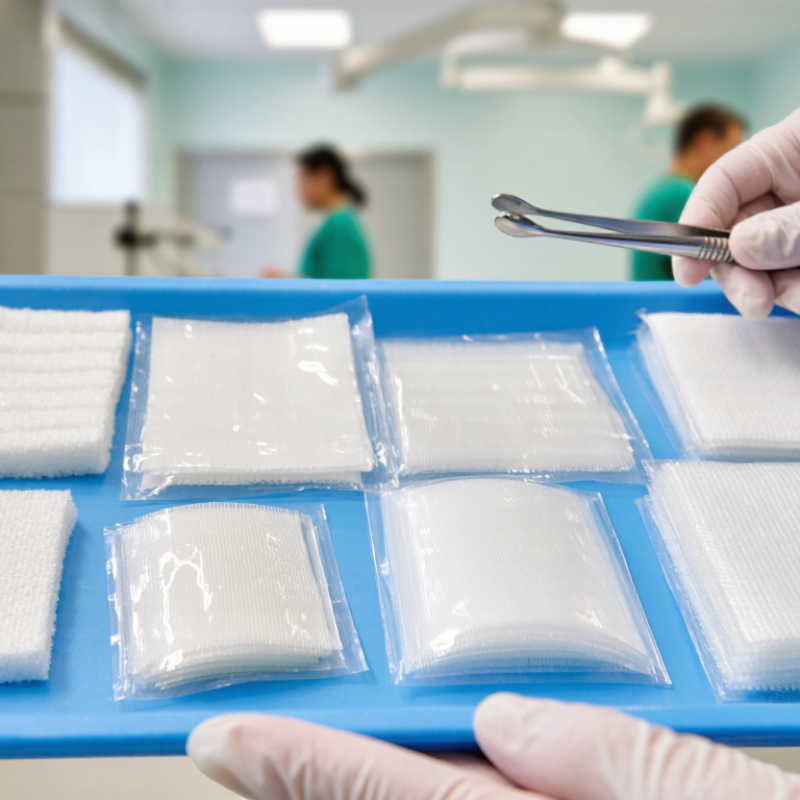
How Hospital Wound Dressings Are Classified
10 Best Wound Dressing Products for Hospitals?
How Hospital Wound Dressings Are Classified
Hospital dressings are grouped by material, function, and the wound’s needs. Gauze absorbs fluid and can cover a wound, while transparent films protect shallow wounds with little drainage. Foam dressings cushion the area and handle moderate exudate. Hydrocolloids and hydrogels help maintain a moist environment, but suit different drainage levels. Alginate and gelling-fiber dressings are often considered for wounds with heavier drainage. No type is best for every patient. The fit matters.
Dressings may also be classified as primary, placed directly over the wound, or secondary, used to secure or protect another layer. Some products include antimicrobial components; these require careful selection and should follow clinical protocols. Staff assess wound depth, drainage, surrounding skin, infection concerns, and comfort before choosing. Reassessment matters. A dressing that worked yesterday may not suit a wound after drainage changes. Classification helps narrow options, but it cannot replace an individual assessment.
Tips: Match absorbency to drainage, and protect fragile surrounding skin when removing adhesive dressings. Check the product instructions and local care protocol, especially when a wound’s condition changes. Document the dressing type and the skin response. One limitation is that categories can overlap; materials and intended uses are not always neatly separated. That ambiguity deserves a second look during staff training.
10 Best Wound Dressing Products for Hospitals? - How Hospital Wound Dressings Are Classified
| Dressing Type | Main Classification | Typical Uses | Exudate Level | Key Features | Important Considerations |
|---|---|---|---|---|---|
| Gauze dressing | Woven or nonwoven absorbent dressing; primary or secondary | Cleaning, packing selected wounds, covering wounds, or securing other dressings | Low to high, depending on layers and change frequency | Versatile, widely available, and can be used with prescribed solutions | Dry gauze may adhere to the wound bed and cause trauma during removal; monitor for lint and frequent-change needs. |
| Transparent film | Semipermeable film dressing | Superficial wounds, protection from friction, and securing certain devices | Very low | Allows visual inspection and helps protect against external contamination while permitting moisture vapor exchange | Not suitable for heavily exuding wounds or wounds requiring substantial filling; use care on fragile skin. |
| Hydrocolloid dressing | Occlusive or semi-occlusive moisture-retentive dressing | Selected shallow pressure injuries and superficial wounds with no signs of infection | Low to moderate | Forms a gel as it absorbs fluid and can support a moist wound environment | May not be appropriate for heavily draining or infected wounds; the gel and odor at removal can be mistaken for infection. |
| Hydrogel dressing | Water-donating or moisture-retentive dressing | Dry or minimally exuding wounds and selected wounds with adherent slough | Low | Adds moisture and may help soften dry tissue | Often requires a secondary dressing; excess moisture can damage surrounding skin. |
| Foam dressing | Absorbent, cushioning dressing | Partial- or full-thickness wounds with drainage; protection over vulnerable areas | Moderate to high | Absorbs exudate and provides cushioning; available in different shapes and thicknesses | May require a secondary fixation method; select a suitable size and change when saturated or otherwise indicated. |
| Alginate dressing | Highly absorbent fiber dressing, commonly derived from seaweed | Cavities and wounds with moderate to heavy exudate | Moderate to high | Absorbs fluid and forms a gel in contact with wound exudate | Usually needs a secondary dressing; generally unsuitable for dry wounds and should not be tightly packed. |
| Hydrofiber dressing | Absorbent gelling fiber dressing | Exuding wounds, including selected cavity wounds | Moderate to high | Gels as it absorbs fluid and can help contain exudate within the dressing | Typically requires a secondary dressing; follow product instructions for cavity filling and removal. |
| Silicone contact layer | Non-adherent wound-contact layer | Fragile skin, superficial wounds, and wounds where atraumatic dressing changes are important | Low to moderate, depending on the secondary dressing | Designed to reduce adherence to the wound bed and surrounding skin | Usually does not absorb much fluid on its own and commonly needs an absorbent secondary dressing. |
| Collagen dressing | Proteिन-based wound-contact dressing | Selected chronic or slow-healing wounds under clinician supervision | Low to moderate | Provides a collagen matrix intended to support the wound-healing environment | Use depends on wound assessment and care plan; it is not a substitute for treating the underlying cause of a wound. |
| Silver-containing antimicrobial dressing | Antimicrobial dressing with silver | Selected wounds where local antimicrobial management is clinically indicated | Varies by dressing format | Combines a dressing material with silver intended to provide antimicrobial activity at the wound site | Use should be guided by clinical assessment and local protocols; reassess regularly and discontinue when no longer indicated. |
Clinical note: Dressing choice depends on wound type, depth, exudate, surrounding skin, infection status, patient factors, and the overall treatment plan. Follow facility protocols and the product instructions for use.
Related Posts
-
How to Choose the Best Wound Care Dressings?
-

Global Buyers Discover New Wound Care Supply Innovations at Guangzhou Trade Fair 2025
-
Top Contenders for Best Wound Protection Comparing Features and Benefits
-
Exploring the Advanced Specifications of Best Wound Products for Optimal Healing
-
Chinese Manufacturing Elevates Quality of Wound Dressings for Global Success
-

How to Effectively Manage Wound Care for Optimal Healing Outcomes


