
How to Buy Sodium Selenite Safely in 2026?
Buying Sodium Selenite safely requires more than comparing prices or reading a supplier’s headline purity claim. This compound is a selenium source with important handling and dosage considerations. A small white powder sample may look uniform, yet its identity, concentration, and contamination profile still need verification. As selenium researcher Dr. Roger A. Sunde has emphasized, “The chemical form matters.” That principle should guide every purchasing decision.
A responsible buyer should confirm the product’s intended use before placing an order. Material for laboratory research, industrial processing, or regulated manufacturing may require different specifications. Request a current Certificate of Analysis, Safety Data Sheet, batch number, assay result, and impurity profile. Check whether the supplier uses independent testing and traceable quality controls. A professional supplier should answer clearly, not pressure you to buy quickly. That matters.
In 2026, supplier transparency will remain a practical safety signal. Review storage instructions, packaging seals, labeling, and shipping conditions. Confirm that the product complies with applicable local requirements and is not marketed for unauthorized human use. Avoid vague listings, unusually cheap offers, and documents without dates or batch references. I would not rely on a polished website alone. That is an easy mistake. Even experienced buyers can overlook moisture exposure, outdated certificates, or unclear grade descriptions. Careful verification takes time, but it reduces avoidable risks and supports a more reliable purchasing decision.
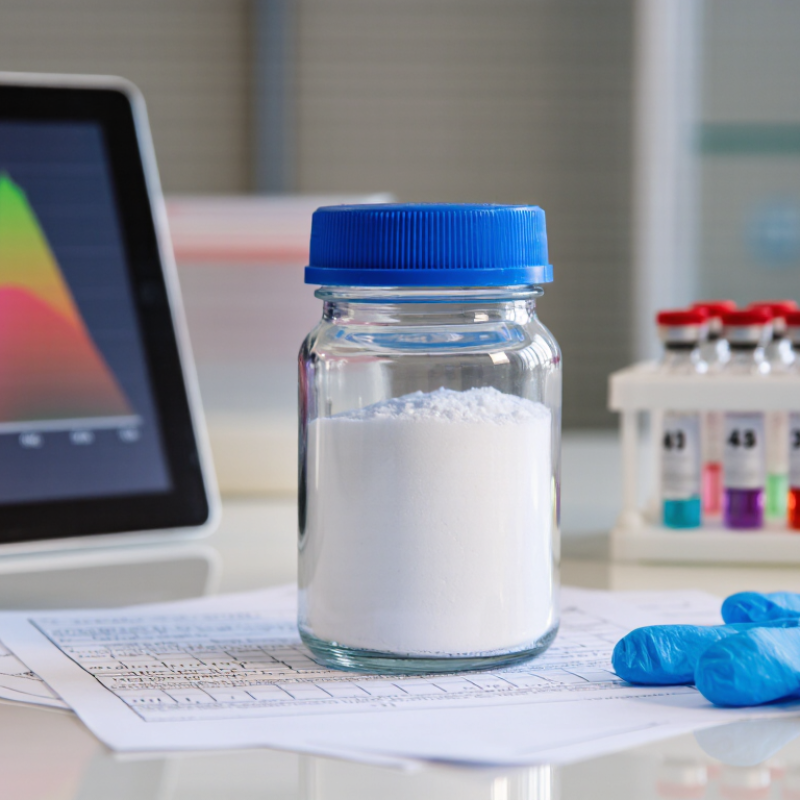
Sodium selenite is an inorganic selenium compound, not a casual wellness ingredient. It appears as a white crystalline powder and can support controlled manufacturing when handled correctly. Its quality depends on identity, assay, impurities, particle properties, packaging, and storage. A clear label is only the beginning.
The European Food Safety Authority set an adult selenium tolerable upper intake level at 255 micrograms per day in its 2023 Scientific Opinion. The U.S. National Institutes of Health lists 400 micrograms as the adult upper limit. These figures concern total selenium intake, not simply sodium selenite weight. Small calculation errors can therefore create serious exposure risks. Check the molecular conversion carefully.
For a safer purchase in 2026, request a recent certificate of analysis, safety data sheet, batch number, test date, and independent laboratory results. The certificate should show sodium selenite identity, purity, selenium content, moisture, and relevant heavy-metal limits. Ask how samples were collected. That detail is often missing. Packaging should be sealed, moisture-resistant, and traceable to the manufacturing lot. Avoid vague “high purity” claims without numerical specifications. ISO 9001 certification may indicate process control, but it does not prove every batch meets your needs. Verify the documents with the laboratory when possible. A certificate alone is not proof. WHO and national chemical-safety guidance also support risk-based handling, protective equipment, and controlled storage for hazardous selenium compounds.
What Sodium Selenite Is and Why Its Quality Matters
Sodium selenite is an inorganic selenium compound with the chemical formula Na₂SeO₃. In anhydrous sodium selenite, selenium accounts for approximately 45.66% of the compound’s molecular mass, calculated from standard atomic weights. Actual products may differ when hydrates, impurities, or incorrect labeling are involved, so buyers should check the chemical form, assay or purity specification, lot number, certificate of analysis, and intended-use information before purchasing.
For context, the U.S. National Institutes of Health lists an adult selenium recommended dietary allowance of 55 micrograms per day and an adult tolerable upper intake level of 400 micrograms per day from all sources. Sodium selenite is a concentrated chemical ingredient and should not be used as a dietary supplement or added to food unless the product is specifically authorized and professionally directed.
Data basis: theoretical elemental-selenium percentage calculated from standard atomic weights and anhydrous chemical formulas. Nutritional reference values: U.S. National Institutes of Health, Office of Dietary Supplements, Selenium Fact Sheet.
Buying sodium selenite safely in 2026 starts with its intended use, not its price. Food, feed, laboratory, and industrial applications follow different legal pathways. Before ordering, identify the destination country, end user, concentration, and expected quantity. Then check chemical registration, import rules, labeling duties, storage limits, and transport requirements through official government databases.
Request a current Safety Data Sheet and a batch-specific Certificate of Analysis. The documents should show CAS 10102-18-8, purity, selenium concentration, heavy-metal limits, lot number, and testing methods. Do not treat technical-grade material as food or feed grade. In the European Union, review REACH and CLP obligations, plus feed-additive authorization where relevant. In the United States, verify applicable food, supplement, feed, or research requirements with the responsible authority. Rules can change.
The intended dose also needs professional review. EFSA’s 2023 scientific opinion sets a tolerable upper intake level of 255 micrograms of selenium per day for adults. That figure concerns selenium intake, not simply the mass of sodium selenite. The 2025 USGS Mineral Commodity Summaries estimates global refined selenium production at roughly 3,600 metric tons in 2024, but industrial availability does not prove regulatory suitability. I would avoid anonymous marketplace listings. Even experienced buyers can overlook a missing impurity result or an incorrect label. A second compliance check is worth the delay.
A reliable purchase begins with the supplier, not the lowest quoted price. Check the company’s legal registration, physical address, and responsible quality contact. Ask how long it has handled regulated chemical materials. A professional supplier should provide a current Safety Data Sheet, Certificate of Analysis, and product specification. These documents should identify sodium selenite clearly, including grade, assay, impurities, batch number, and test methods.
Match the batch number on the certificate with the container and invoice. Check the manufacturing date, retest date, storage conditions, and packaging details. An ISO certificate may support credibility, but it does not prove every batch is acceptable. Request traceability records and ask whether an independent laboratory can confirm key results. A polished PDF can still hide weak controls. I would question vague certificates and missing signatures.
Compare two or three suppliers before ordering. Request a recent, lot-specific COA. Confirm the intended grade with a qualified professional. Review the SDS before receiving the material. Inspect sealed packaging for damage, moisture, or unclear labels. Keep purchase records and photographs. Do not depend on marketplace reviews alone. If the supplier avoids basic questions, pause the transaction. My judgment may be imperfect, so independent verification remains worthwhile. Sodium selenite requirements can differ by country and application; check current local rules before purchase.
Start with the paperwork. Ask for a current certificate of analysis tied to the exact lot number. It should state identity, assay, moisture, and relevant impurity limits. Confirm the testing date and the laboratory’s qualifications, preferably under ISO/IEC 17025 accreditation. A polished PDF is not proof. Certificates can be outdated, incomplete, or copied. Contact the laboratory through independently verified details when the purchase is significant.
Inspect the label before opening the package. It should show the chemical name, concentration or grade, net quantity, lot number, manufacturing date, and storage conditions. Hazard warnings and a safety data sheet should be available in a language you understand. Do not buy loose, unlabeled powder. The seal matters. Look for an intact inner liner, dry container, and no residue around the closure. Damaged packaging may indicate moisture exposure or contamination.
Match the product to its lawful, documented purpose. Do not assume technical grade is suitable for laboratory, feed, or other regulated applications. Request independent testing when the material is critical, especially for identity and trace metals. Compare the report with the label, purchase order, and delivery container. Discrepancies deserve a written explanation before use. Even careful checks have limits, and visual inspection cannot confirm purity. When uncertainty remains, pause the transaction and consult a qualified chemist or local compliance professional.
Buying sodium selenite safely in 2026 starts with choosing a reputable chemical supplier. Request a current Safety Data Sheet, certificate of analysis, lot number, and purity information before purchase. The container should show the chemical name, concentration, hazard warnings, and storage requirements. Avoid products with damaged seals, unclear labels, or missing documentation. A low price is not proof of quality.
Store sodium selenite in its original, tightly closed container. Keep it in a cool, dry, well-ventilated chemical cabinet, away from food, medicines, children, and unauthorized users. Use secondary containment to control leaks. Follow the supplier’s SDS for incompatible materials and temperature limits. Do not transfer it into drink bottles or ordinary household jars. That mistake can create serious confusion. I would also check the label during every inspection, because faded information is easy to overlook.
Tips: Wear chemical-resistant gloves, protective eyewear, and a lab coat when handling the powder or solution. Work with good ventilation, and avoid creating dust. Never eat, drink, smoke, or touch your face during use. Wash hands afterward, even when gloves were worn. If a spill occurs, keep people away and avoid dry sweeping; trained personnel should follow the SDS and local disposal rules. I once underestimated how quickly powder can spread across a bench, so a small, prepared spill kit is worth having. When uncertain, stop and ask a qualified safety professional.
| Safety Dimension | Verified Information | Safe Purchasing or Handling Action | Key Check for 2026 |
|---|---|---|---|
| Chemical identity | Sodium selenite is commonly listed as Na₂SeO₃, CAS No. 10102-18-8, with a molar mass of approximately 172.94 g/mol for the anhydrous form. | Match the product label, certificate of analysis, and safety data sheet before accepting delivery. | Confirm whether the material is anhydrous or a hydrate; do not calculate quantities using the wrong formula. |
| Intended use | Sodium selenite is an inorganic selenium compound used in controlled laboratory, industrial, and regulated nutritional applications. | Purchase only for a clearly defined, lawful use and ensure the user has suitable chemical-safety training. | Do not use laboratory-grade material as a food or supplement ingredient unless it meets all applicable legal and quality requirements. |
| Hazard profile | Sodium selenite is toxic if swallowed and may cause serious health effects through excessive exposure. Hazard classification can vary by concentration, form, and jurisdiction. | Review the current supplier SDS, hazard pictograms, signal word, and all applicable exposure warnings before purchase. | Use the latest SDS supplied for the exact product, not a generic internet summary. |
| Product documentation | A suitable chemical product should have an identifiable lot or batch number, purity or assay information, SDS, and transport details where applicable. | Reject containers with missing labels, unexplained relabeling, broken seals, or absent documentation. | Check issue or revision dates and confirm that documents correspond to the delivered lot. |
| Purity and contamination control | Purity requirements depend on the application; trace contaminants and moisture can affect analytical or manufacturing results. | Define acceptable assay, moisture, particle-size, and impurity limits before ordering. | Use an independent test or documented quality review when the material is used in a regulated process. |
| Container and packaging | The substance should arrive in a compatible, tightly closed container with a durable chemical label and intact secondary packaging when required. | Inspect for leaks, dampness, crystals around the closure, damage, or missing hazard information before opening. | Document damage with photographs and isolate the package; do not handle spilled powder casually. |
| Storage temperature | Store in a cool, dry, well-ventilated area according to the product SDS. Avoid heat, direct sunlight, and unnecessary temperature fluctuations. | Follow the exact storage range stated in the current SDS and facility chemical-storage procedure. | Do not assume refrigeration is safer unless the SDS specifically requires or permits it. |
| Moisture and light protection | Solid chemical stability and quality can be affected by unsuitable humidity, contamination, or prolonged exposure to environmental conditions. | Keep the container tightly closed, use clean and dry tools, and return the material to storage immediately after use. | Never return unused material to the original container if it may have been contaminated. |
| Segregation | Sodium selenite must be kept away from incompatible substances identified in the SDS, including materials that may cause hazardous reactions. | Use a dedicated, labeled chemical-storage area and separate it from food, medicines, animal feed, and personal items. | Consult the SDS Section 7 and Section 10 for storage conditions and incompatibilities. |
| Personal protective equipment | Routine handling generally requires protective gloves, protective clothing, and eye protection selected through a risk assessment. | Wear chemical-resistant gloves, safety glasses or goggles, and a lab coat; replace contaminated PPE promptly. | Choose glove material and breakthrough time from the SDS or a qualified safety professional. |
| Dust control | Powder handling can create airborne dust, increasing the possibility of inhalation and surface contamination. | Work in a functioning fume hood or suitable local exhaust system; avoid sweeping, brushing, or compressed-air cleaning. | Use an approved respiratory-protection program if engineering controls cannot maintain exposure below applicable limits. |
| Hygiene controls | Selenium compounds can be harmful if transferred from contaminated hands or surfaces to the mouth. | Do not eat, drink, smoke, or apply cosmetics in the work area. Wash hands and exposed skin thoroughly after handling. | Maintain dedicated work clothing and prevent chemical residues from entering break rooms or vehicles. |
| Spill response | A spill should be treated as hazardous chemical contamination, particularly when powder may become airborne. | Restrict access, avoid generating dust, wear appropriate PPE, and use the spill procedure and compatible collection materials specified by the SDS. | Do not wash the material into drains or dispose of it with ordinary household waste. |
| Exposure or ingestion | Ingestion, inhalation, eye contact, or prolonged skin contact may require urgent medical assessment. | Move to fresh air after inhalation exposure, flush affected eyes or skin with water, and contact local emergency services or a poison center immediately. | Do not induce vomiting unless directed by medical personnel or a poison center; provide the product label and SDS. |
| Waste disposal | Selenium-containing waste may be regulated as hazardous waste depending on local law, concentration, and waste characteristics. | Collect waste in a compatible, closed, labeled container and use an authorized hazardous-waste service. | Confirm current national, regional, and municipal disposal requirements before discarding any material. |
| Regulatory and transport review | Classification, shipping status, occupational limits, and purchase restrictions may differ by country and may change over time. | Confirm import, transport, workplace, and end-use requirements with the relevant authority or qualified compliance professional. | Recheck requirements for every new shipment, jurisdiction, formulation, and intended use in 2026. |