China Best Surgical Wound Dressing Solutions for Effective Healing?
When it comes to wound care, choosing the right Surgical Wound Dressing can be critical for effective healing. Dr. Emily Chen, a leading expert in wound management, states, “The right dressing can significantly accelerate recovery and reduce complications.” This assertion underscores the importance of selecting appropriate materials and designs for different wound types.
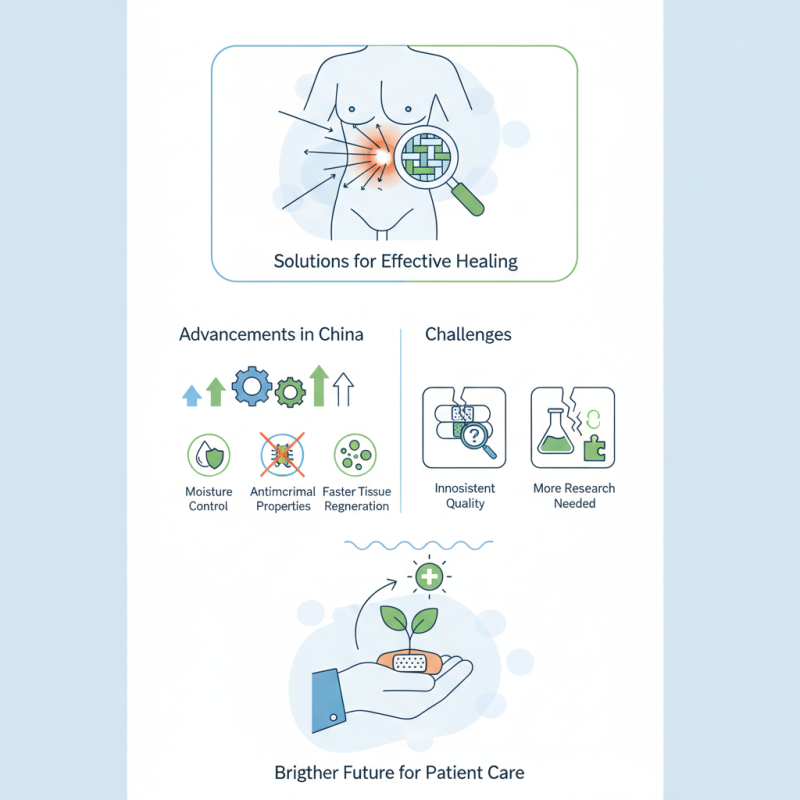
In China, advancements in the surgical dressing industry have led to innovative solutions that address various healing needs. Modern dressings now incorporate advanced technologies, such as moisture control and antibacterial properties. These enhancements aim to create an optimal healing environment, fostering faster tissue regeneration.
However, challenges still exist in the industry. Some products lack consistent quality, leading to dissatisfaction among healthcare providers. Additionally, more research is required to establish best practices for each dressing type. Despite these shortcomings, the continuous evolution of Surgical Wound Dressing solutions promises a brighter future for patient care and recovery.
China's Leading Surgical Wound Dressing Materials: An Overview
Surgical wound dressings play a vital role in healing and recovery. In China, various materials are utilized for effective wound management. These materials include
hydrocolloid,
alginate, and
foam, each with unique properties. Hydrocolloid dressings provide a moist environment, promoting faster healing. Alginate dressings are highly absorbent, ideal for wounds with significant exudate. Foam dressings cushion the wound while keeping it dry and protected.
When selecting dressing materials, consider the type and severity of the wound. Effective healing depends on matching the dressing with the wound’s needs. Poor choice can lead to complications, like infection. Always assess the wound regularly. This can help identify if the dressing is still appropriate.
Tips: Keep the dressing clean and dry. Change it as recommended to prevent infection. Monitor for signs of inflammation or unusual discharge. Education on proper dressing techniques is crucial for caregivers and patients alike. A strong understanding of dressings ensures better outcomes in surgical recovery.
Advancements in Surgical Dressing Technology for Enhanced Healing Rates
Surgical dressing technology has significantly advanced, leading to better healing rates. New materials allow for improved moisture management, which is crucial for wound healing. Traditional dressings often trap moisture, creating an environment for bacterial growth. In contrast, modern dressings maintain an optimal level of hydration while preventing infection.
When choosing a dressing, consider the wound type. Some dressings promote faster healing in chronic wounds, while others are better suited for surgical incisions. Always assess the dressing’s permeability to moisture and bacteria.
Tips:
1. Keep the wound clean and dry before applying any dressing.
2. Change the dressing as recommended, even if the wound appears to be healing.
3. Monitor for signs of infection, such as increased redness or swelling.
As technology evolves, the focus is on creating dressings that adapt to individual wounds. Not all dressings work for every patient. It's important to remain open-minded and willing to try different solutions. Engaging with healthcare professionals can guide patients toward the best options for their specific needs.
China Best Surgical Wound Dressing Solutions for Effective Healing
Comparative Analysis of Traditional vs. Modern Wound Dressings in China
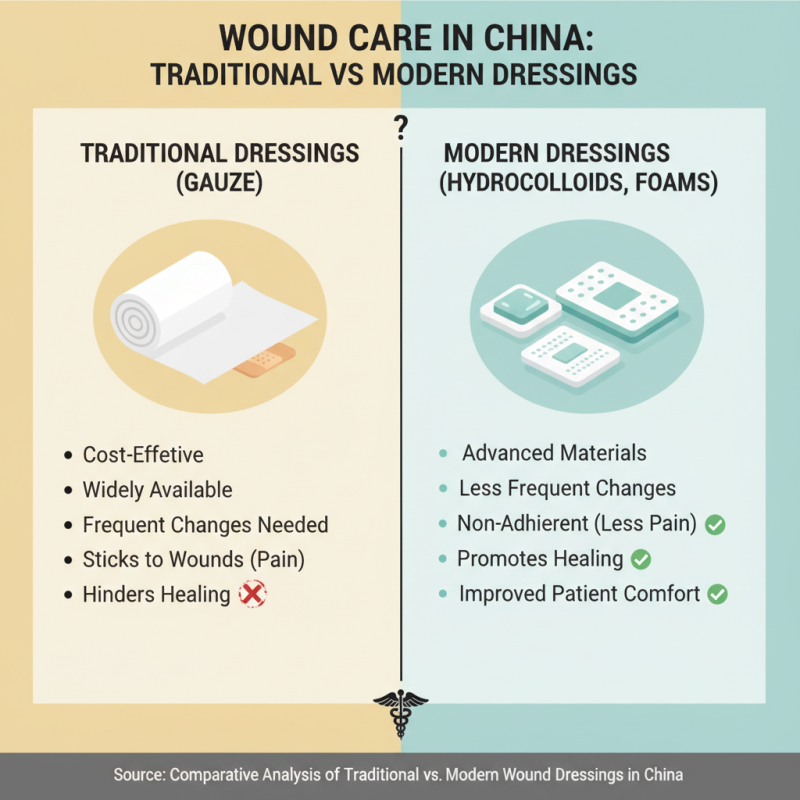
When it comes to wound care in China, understanding the differences between traditional and modern dressings is crucial. Traditional dressings like gauze have been staples for decades. They are cost-effective and widely available. However, they often require frequent changes and can stick to wounds, causing pain. This can hinder healing and increase discomfort for patients.
In contrast, modern wound dressings, such as hydrocolloids and alginates, offer enhanced benefits. They provide a moist healing environment, which promotes faster recovery. These materials are designed to absorb exudate and minimize infection risks. However, they can be pricier and may not be easily accessible in all regions. Some healthcare providers still prefer traditional methods, viewing them as safer. This reflects a hesitance to fully embrace change.
While modern options claim superiority, not all wounds require high-tech solutions. The best choice often depends on the specific injury and the patient's condition. Healthcare professionals must balance cost, accessibility, and effectiveness. The evolving landscape of wound care in China highlights the need for ongoing education and adaptation in medical practices.
Market Trends and Challenges in China's Surgical Wound Dressing Sector
The surgical wound dressing sector in China is evolving rapidly. New technologies and materials are emerging, which play a crucial role in effective healing. Healthcare providers are increasingly focused on improving patient outcomes through advanced dressing solutions. As a result, the market is witnessing significant growth. Hospitals and clinics seek innovative dressings that enhance recovery.
However, challenges persist in this sector. Cost remains a significant barrier for many healthcare institutions. While advancements are essential, affordability must not be overlooked. The balance between quality and price often leads to tough decisions for medical staff. Additionally, there is a notable variability in dressing standards across different regions, affecting consistency in patient care.
Education and training for healthcare professionals are also key issues. Many practitioners are not fully aware of the latest dressing technologies or their applications. Ongoing education is needed to keep pace with innovations. The sector must adapt to ensure that all practitioners can apply the best practices for wound care effectively. This dynamic landscape calls for continuous reflection and improvement.
China Best Surgical Wound Dressing Solutions for Effective Healing - Market Trends and Challenges in China's Surgical Wound Dressing Sector
| Dimension |
Data |
| Market Size (2023) |
$3.2 Billion |
| CAGR (2023-2028) |
6.5% |
| Most Commonly Used Dressing Type |
Hydrocolloid Dressings |
| Key Demographic |
Aged Population (65+) |
| Main Distribution Channel |
Hospitals |
| Top Challenge |
Regulatory Approval |
| Emerging Trends |
Smart Dressings |
| Sustainability Initiatives |
Biodegradable Materials |
Impact of Biocompatible Materials on Surgical Wound Recovery Outcomes
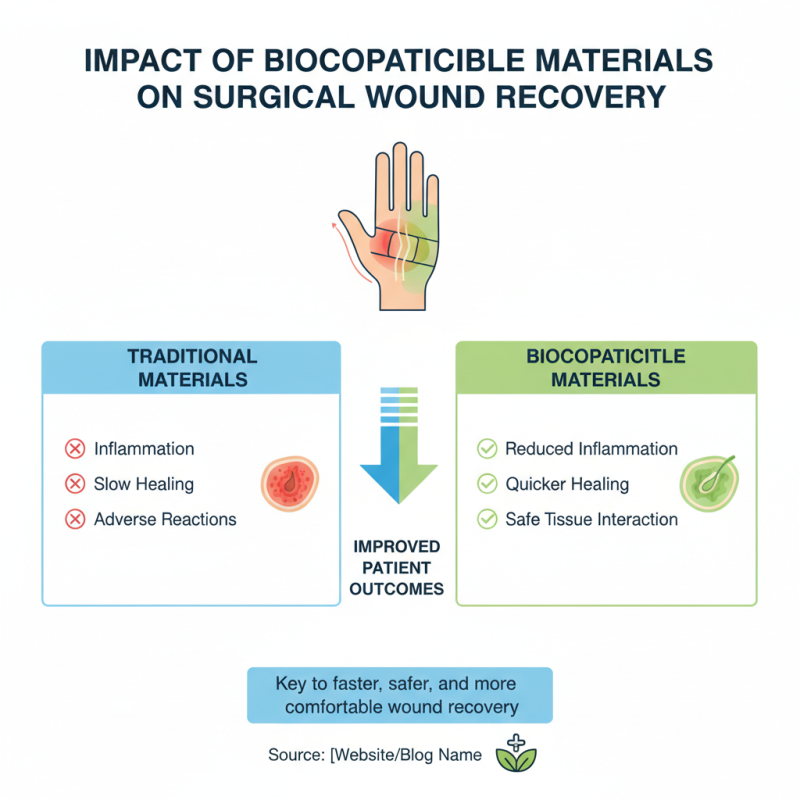
The healing process of surgical wounds significantly depends on the materials used in dressings. Biocompatible materials play a crucial role, ensuring that the body responds positively to the dressing. These materials are designed to interact safely with human tissues, minimizing any adverse reactions. Patients often experience reduced inflammation and quicker healing times with these advanced dressings.
Different biocompatible materials can provide various benefits. For instance, some promote moisture retention, which is vital for optimal healing. Others possess antimicrobial properties, protecting against infections that could complicate recovery. However, not all materials are perfect. Some may still trigger allergic reactions in sensitive individuals, necessitating careful selection and testing by healthcare professionals.
The effectiveness of surgical wound dressings is not solely dependent on the materials. Techniques for applying them and patient adherence to aftercare also matter. Understanding the complexities and nuances of each case is essential for achieving the best outcomes. This ongoing reflection on material selection and application practices is necessary for advancing surgical recovery methods.