China Top Wound Care Management Solutions for Global Buyers?
Wound Care Management is an essential aspect of healthcare that focuses on the prevention and treatment of wounds. In recent years, the global wound care market has seen significant growth, driven by increasing instances of chronic wounds. According to a report by Fortune Business Insights, the global market for wound care is expected to reach USD 24.6 billion by 2027. This highlights the growing importance of effective wound care solutions.
China has emerged as a key player in this industry. With a booming healthcare market and innovative technologies, Chinese companies are poised to provide top wound care management solutions. The rapid advancement in medical technology contributes to efficiency and effectiveness in wound treatment. While there are promising developments, challenges remain. Quality control and standardization still need attention to ensure safety and efficacy.
As global buyers look for reliable wound care management systems, China’s offerings deserve consideration. The need for trusted solutions that are backed by research and clinical evidence is critical. Understanding the landscape and the available options can help buyers make informed decisions.
China's Dominance in the Global Wound Care Market Landscape
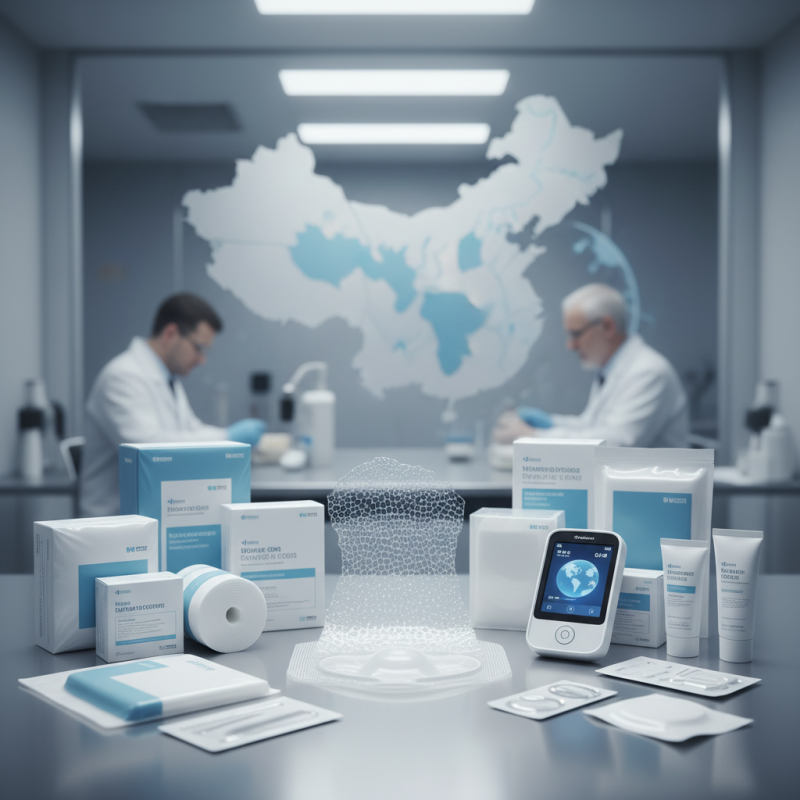
China has become a key player in the global wound care market. Its extensive manufacturing capabilities and innovative solutions are reshaping patient care. The country's advancements in wound management products are crucial for healthcare providers worldwide. Notably, this industry encompasses dressings, advanced therapies, and infection control products that enhance recovery outcomes.
Tips for selecting wound care solutions include assessing the specific needs of patients. Not all wounds are the same. Different types require distinct approaches. Understanding the wound's nature can lead to more effective treatments. Quality is paramount in wound care management. Collaborate with reputable suppliers to ensure reliability.
Monitoring trends in the wound care market is vital. Emerging technologies and research are continuously evolving. Engage in continuous education to stay informed about best practices. This enhances decision-making and improves patient care. Additionally, consider regional differences in wound types and treatment methodologies. Adapting to local practices can bridge gaps and enhance overall effectiveness.
China's Dominance in the Global Wound Care Market
This chart illustrates the growth of the wound care market in China from 2018 to 2023, showing a significant upward trend in market size, indicative of China's strengthening position in the global wound care market landscape.
Trends Shaping Wound Care Management Solutions in China
In recent years, China's approach to wound care management has evolved significantly. Advanced technologies are now incorporated into treatment plans. These advancements often include innovative materials for dressings and improved healing protocols. Healthcare providers are increasingly prioritizing patient-centered care. This shift aims to enhance recovery experiences and promote better outcomes.
Sustainability is another crucial trend. Many companies are exploring eco-friendly materials for wound care products. This trend reflects a growing awareness of environmental impact within the healthcare sector. However, challenges remain. The adoption of these materials can be slow due to costs and regulatory hurdles. Additionally, there is variability in how quickly different regions are embracing these solutions.
The integration of digital health solutions is gaining momentum. Telemedicine and mobile apps are making wound care management more accessible. However, not all patients have the same level of digital literacy. Some still struggle to understand the technology. This gap highlights the need for ongoing education and support in the healthcare community. Discussions around these issues are essential for further advancement in wound care management in China.
Analysis of China's Leading Wound Care Products and Technologies
China is rapidly emerging as a leader in wound care management solutions, driven by innovative products and advanced technologies. A recent report indicates that the Chinese wound care market is projected to reach $6.5 billion by 2025, showcasing a compound annual growth rate (CAGR) of over 7% from 2021. This growth is attributed to increased healthcare awareness, rising diabetic populations, and a focus on advanced treatment methods. Many products, including hydrocolloids and advanced wound dressings, are being optimized for enhanced healing and cost-effectiveness.
In the realm of wound care technologies, China exhibits impressive innovations. Biopolymer-based dressings demonstrate superior moisture control and bacterial management. Moreover, emerging technology such as 3D bioprinting shows promise in customized wound care applications. However, the industry faces challenges, such as the need for rigorous clinical trials to validate new products' efficacy and safety.
Tips: Always consult healthcare professionals when selecting wound care products. Consider individual patient needs as they can significantly influence healing outcomes. Evaluate the latest studies, as the field is evolving. Keep an eye on regulatory approvals, which can impact product availability.
Market Opportunities for International Buyers in Chinese Wound Care
The demand for wound care management solutions in China is growing. International buyers may find substantial opportunities in this expanding market. As China advances in healthcare technology, innovative wound care products are emerging, catering to diverse needs. The local market is adapting to global standards, which makes it an appealing option for overseas investors.
Tips: Research local regulations. Understanding the Chinese healthcare framework is essential for effective market entry. Engage with local experts who can navigate this landscape.
Wound care practices in China focus on efficiency and patient outcomes. Buyers can explore partnerships with local manufacturers. These collaborations can lead to improved product development and distribution strategies. However, monitoring the quality of products remains a challenge.
Tips: Prioritize quality assurance. Establishing clear quality control measures is crucial. This could ensure reliability in long-term partnerships.
China Top Wound Care Management Solutions for Global Buyers
| Product Type |
Market Share (%) |
Growth Rate (2022-2027) |
Key Features |
Target Markets |
| Hydrocolloid Dressings |
25 |
5.5% |
Moisture-retentive, pain-free removal |
Surgery, Chronic Wounds |
| Foam Dressings |
20 |
4.8% |
Highly absorbent, cushioned protection |
Trauma, Burns, Post-operative |
| Antimicrobial Dressings |
15 |
6.2% |
Infection control, odor-free |
Diabetic Ulcers, Surgical Sites |
| Alginate Dressings |
10 |
4.0% |
High fluid absorption, biodegradable |
Moderately to Highly Exuding Wounds |
| Silicone Dressings |
30 |
5.0% |
Gentle adhesion, reapply without pain |
Sensitive Skin, Pediatric Care |
Future Innovations in Wound Care Management from China
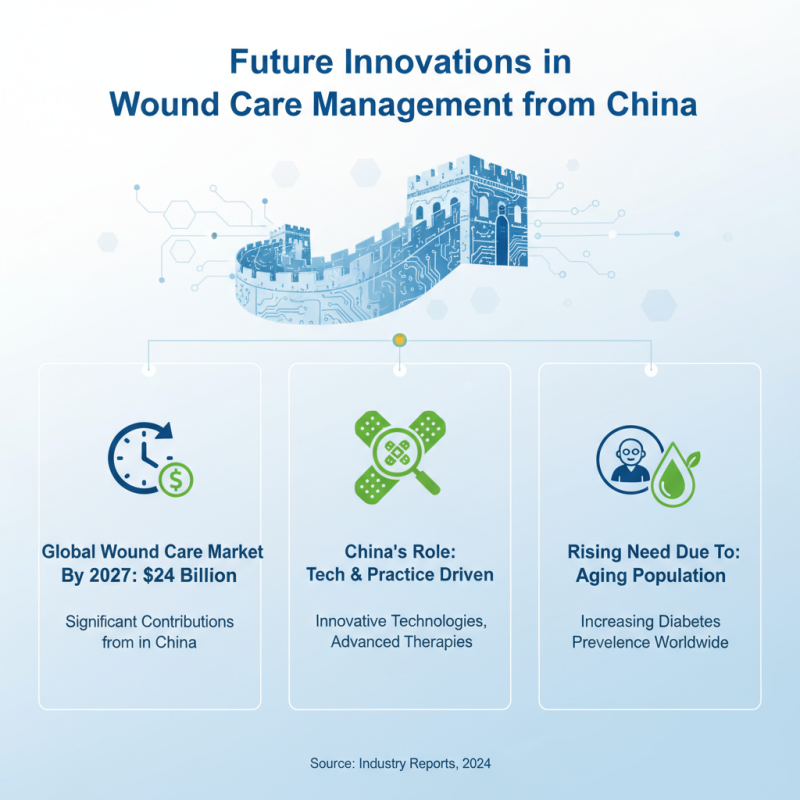
China is making strides in wound care management, driven by innovative technologies and practices. By 2027, the global wound care market is projected to reach $24 billion, with significant contributions from China. The need for effective wound management solutions is on the rise due to the aging population and increasing diabetes prevalence worldwide.
Recent data highlights that chronic wounds affect approximately 6.5 million patients annually in the United States alone. As a response, Chinese companies are actively developing advanced materials and treatments. These include hydrocolloids, alginates, and antimicrobial dressings. The focus is not only on efficacy but also on sustainability, addressing environmental concerns.
Challenges remain in regulatory approval processes and market acceptance abroad. It is crucial for innovators to learn from these barriers. They must focus on aligning products with global standards to gain credibility. Additionally, continuous research is needed to understand patient experiences and improve outcomes over time. This ongoing dialogue between manufacturers and healthcare providers will ultimately shape the future of wound care management.