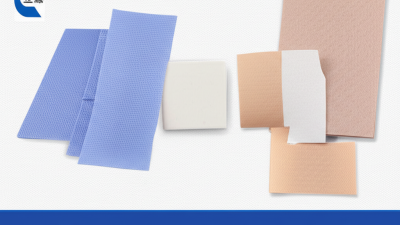
How to Choose the Best Wound Dressing Products for Healing?
When it comes to healing wounds, choosing the right wound dressing products is crucial. According to Dr. Emily Carter, a leading expert in wound care, “The right dressing can make a world of difference in recovery.” Her words remind us that not all dressings are created equal.
Selecting wound dressing products involves understanding the type of wound and its healing stage. Some dressings keep the wound moist, while others absorb excess fluid. This choice can affect the healing process and prevent infection. Yet, many overlook these vital differences. The market is flooded with various options, which can be overwhelming.
It's also essential to consider the patient's comfort and skin sensitivity. Not all materials are suitable for everyone, leading to complications. Careful evaluation of each product's features can aid in making an informed decision. In wound care, informed choices are critical to promoting effective healing.
Understanding the Different Types of Wound Dressings Available
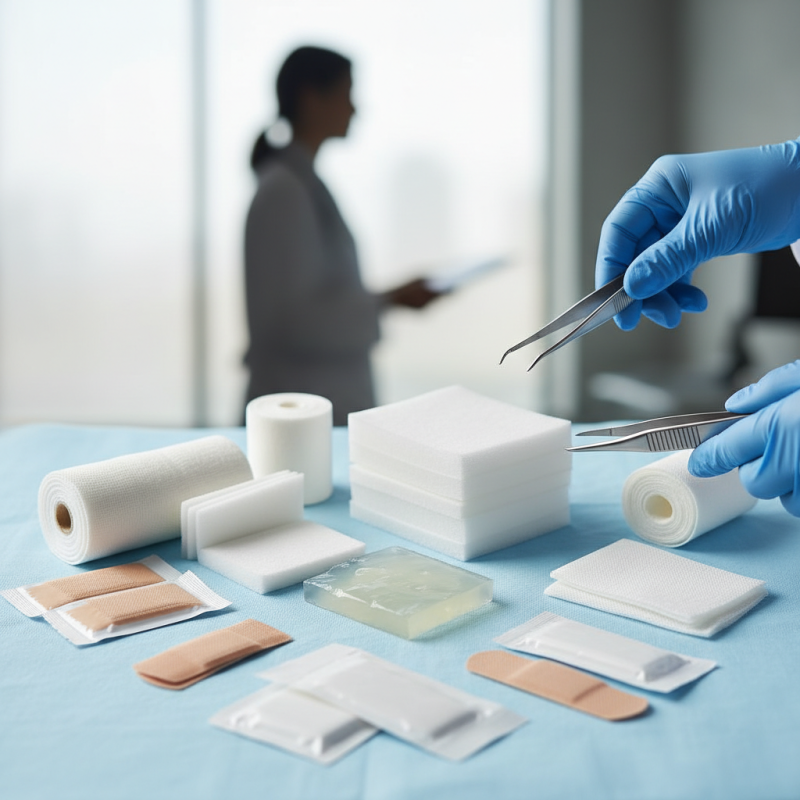
When it comes to wound care, understanding the different types of dressings is crucial. Some options are designed for simple cuts, while others cater to complex injuries.
Foam dressings are commonly used for moderate to heavy exudate. They absorb moisture and keep the wound moist, aiding in healing. Hydrocolloid dressings are another favorite, as they form a gel-like substance when in contact with wound fluids.
Transparent film dressings offer a different approach. They are thin and allow for visibility of the wound. However, they may not be suitable for highly exuding wounds. Reflecting on this, one might wonder if they picked the right type for their needs. A mistake could lead to increased discomfort or delayed healing.
Gauze dressings are also widely used. They are versatile and readily available. Yet, they can adhere to wounds if not changed regularly. This can cause pain upon removal. Understanding the unique attributes of each dressing is essential. Not all wounds are the same, and neither are the dressings. Assessing each situation critically is the key to better outcomes.
Factors to Consider When Selecting Wound Dressings
When selecting wound dressings, several key factors come into play. First, consider the type of wound. Is it a minor scrape or a deep incision? Knowing this helps ensure you choose the right level of protection. The dressing should promote healing, not hinder it. For example, a moist environment often aids in recovery.
Another critical aspect is the material of the dressing. Some materials adhere too tightly, causing pain upon removal. Others might not stay in place. This inconsistency can lead to frustration when changing dressings. Pay attention to the skin's sensitivity. Allergic reactions can occur with certain adhesive components, which can complicate healing.
Lastly, think about the duration of wear. Some dressings are meant to be left on for days, while others need frequent changes. This can be a source of inconvenience. Reflect on your lifestyle and activity level. A busy person might require a more durable option compared to someone at home. Balancing these factors leads to better healing outcomes.
Wound Dressing Types and Their Healing Effectiveness
Evaluating the Absorption and Moisture Control of Dressings
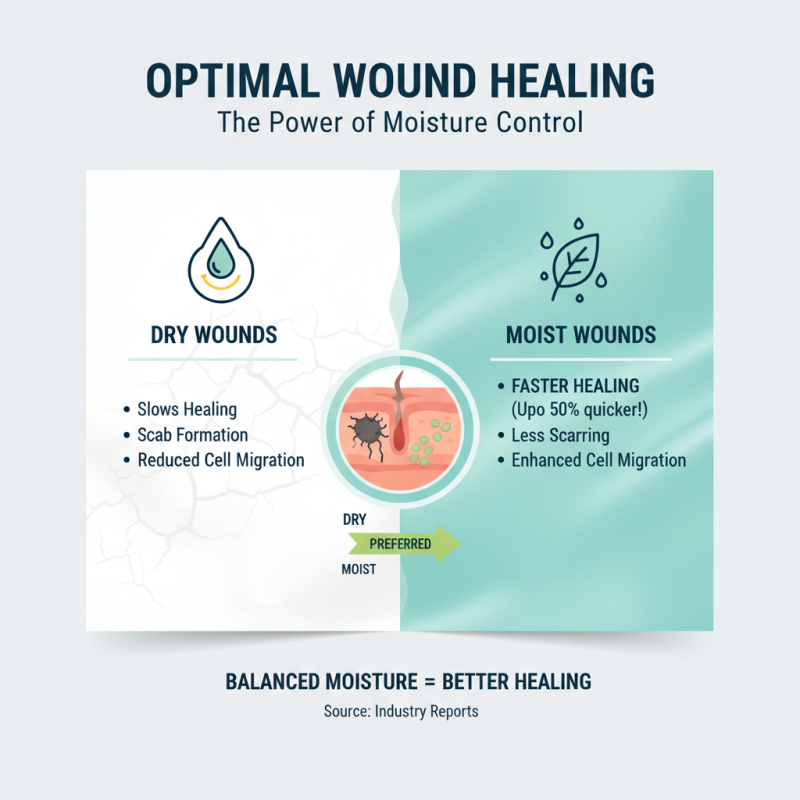
When choosing wound dressings, examining absorption and moisture control is crucial for healing. Optimal dressings maintain a balanced moisture environment. This environment promotes cell migration and reduces scab formation, which can delay healing. According to industry reports, wounds in a moist environment heal up to 50% faster than those exposed to air.
Different materials provide varying levels of absorption. Hydrocolloids, for example, are known for their ability to absorb exudate while keeping the wound moist. On the other hand, foam dressings are excellent for high-exudate wounds. It’s essential to match the dressing type with the wound’s condition.
Tip: Always assess the exudate level before selecting a dressing. Overly absorbent dressings may dry out a wound, causing irritation. Conversely, insufficient absorption can lead to maceration. Monitor the wound regularly. If you notice increased pain or odor, it may be time to reconsider your choice of dressing. Remember, healing is not a one-size-fits-all process. Each wound has unique needs that require ongoing evaluation.
Assessing the Adhesive Properties and Comfort of Wound Dressings
When it comes to wound dressings, adhesive properties and comfort play crucial roles in healing. A dressing that adheres too strongly can cause pain during removal. On the other hand, a dressing that doesn’t stick adequately may not protect the wound effectively. It’s essential to find a balance. For example, a dressing that has a soft silicone layer can be gentler on the skin.
Comfort should also be a priority. A breathable dressing can reduce moisture buildup, which might lead to infections. Look for materials that allow for airflow while still protecting the wound. It’s important to consider how the dressing feels when worn. If it causes irritation or discomfort, it may hinder the healing process. Trying different options can lead to better results.
Evaluating these aspects requires attentiveness. Sometimes, we might overlook vital details during our selection. Take time to assess how a dressing feels over hours. What might seem suitable initially can change as time passes. Gather feedback from users, and consider how daily activities impact the dressing's performance. Heal smarter, not harder, by weighing these factors carefully.
How to Choose the Best Wound Dressing Products for Healing? - Assessing the Adhesive Properties and Comfort of Wound Dressings
| Dressing Type |
Adhesive Strength |
Comfort Level |
Moisture Control |
Recommended For |
| Hydrocolloid |
Moderate |
High |
Excellent |
Superficial wounds, blisters |
| Foam |
High |
Moderate |
Good |
Moderate to heavy exudate |
| Transparent film |
High |
Very high |
Good |
Post-operative sites, minor wounds |
| Alginate |
Moderate |
High |
Excellent |
Heavy exudate wounds |
| Hydrogels |
Low |
High |
Excellent |
Dry wounds, burns |
Recognizing Special Considerations for Specific Wound Types
When selecting wound dressing products, it's crucial to consider the type of wound you are dealing with. Different wounds require different treatments. For example, a surgical incision needs a sterile dressing to prevent infection. A burn, on the other hand, may benefit from a hydrogel dressing that keeps the area moist. Understanding these nuances is vital. It can be confusing.
Chronic wounds, like ulcers, present unique challenges. They often need specialized attention. You may require dressings that provide moisture balance and support healing. Not every product works for every situation. It's essential to assess the wound regularly. This approach allows for timely adjustments to the dressing type.
In some cases, traditional dressings might not suffice. The inflammation around certain wounds could indicate a need for a specific material. Choosing wisely can make a significant difference. However, keep in mind that personal experiences vary. What's effective for one person may not be for another. Reflection is important in this process.