Why Choose High Pressure Fans for Your Industrial Needs?
In today's industrial landscape, the efficiency of high pressure fans, or "высоконапорные вентиляторы," plays a crucial role. A report by Market Research Future indicates that the global market for industrial fans is expected to reach $7 billion by 2028. High pressure fans are engineered to provide the necessary airflow and pressure required in demanding environments, making them indispensable in various sectors such as manufacturing, mining, and HVAC.
These fans not only enhance operational efficiency but also contribute to energy savings. An efficient high pressure fan can reduce energy consumption levels by up to 30%, according to the Department of Energy. This is particularly beneficial as industries face increasing pressures to minimize costs and environmental impacts. However, selecting the right fan can be challenging. Factors such as airflow, pressure requirements, and application specifics must be carefully considered.
A miscalculation can lead to inadequate performance or increased operational costs. Industries must reflect on their exact needs when integrating high pressure fans into their systems. Trustworthy vendors and expert consultations can guide these decisions, ensuring the fans are reliable and tailored to specific applications.
Advantages of High Pressure Fans in Industrial Applications
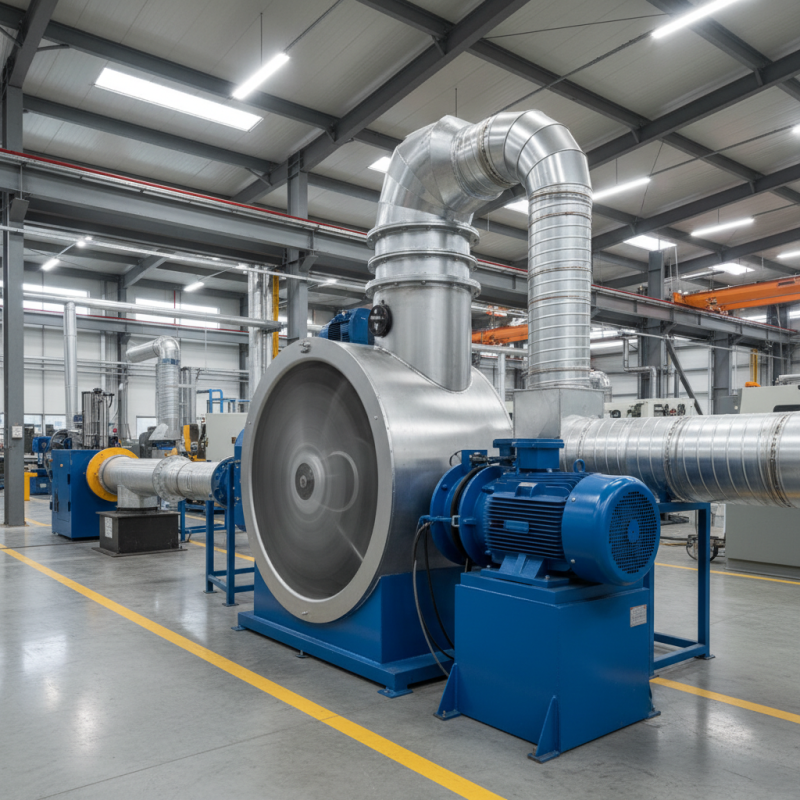
High-pressure fans play a crucial role in various industrial applications. They excel at transporting air and gases efficiently. Studies have shown that these fans can handle pressures exceeding 10 inches of water column (WC), making them ideal for demanding environments. The efficiency of high-pressure fans can reach up to 85%, ensuring effective air delivery for processes requiring constant airflow.
The advantages of high-pressure fans extend beyond mere airflow. These fans are designed to reduce energy consumption while maximizing output. According to a report from the Industrial Fan and Blower Association, the use of efficient high-pressure fans can lower operational costs by as much as 30%. Moreover, they can improve ventilation in confined spaces, enhancing worker safety. Proper ventilation can reduce harmful airborne pollutants, which is vital in industries like chemical manufacturing and metal processing.
However, it is essential to recognize that not all high-pressure fan systems are perfect. Maintenance can be challenging due to dust accumulation and wear over time. Regular inspections are necessary to maintain peak performance. Additionally, if improperly sized, these fans may not provide the desired efficiency. Understanding the specific requirements of an application can ensure the best performance from high-pressure fans, addressing potential shortcomings.
Key Factors to Consider When Selecting High Pressure Fans
When selecting high-pressure fans for industrial use, several key factors must be considered. The fan's efficiency is crucial. An efficient fan minimizes energy costs and enhances overall system performance. Look for fans designed with aerodynamics in mind. Advanced blade profiles can significantly impact airflow and pressure delivery.
Material selection is another critical aspect. High-pressure fans often encounter harsh conditions. Choosing durable materials will ensure longevity and reduce maintenance needs. Consider whether the fan must resist corrosion or abrasion. The right materials can drastically extend the fan’s operational life.
Noise levels also deserve attention. High-pressure fans can generate significant noise. Implementing noise-reduction techniques may be necessary for compliance with workplace standards. This might include adding insulation or using sound dampening technology. Balancing performance with noise control is vital for many industrial settings.
Types of High Pressure Fans and Their Specific Uses
High pressure fans play a crucial role in various industrial applications. Their ability to generate high air volume and pressure makes them suitable for a range of tasks. Industries such as manufacturing, petrochemical, and mining often rely on these fans for ventilation and cooling. According to the International Association of Air Quality, high pressure fans can improve air quality in industrial environments by removing harmful pollutants effectively.
There are several types of high pressure fans with specific uses. Centrifugal fans are known for their efficiency in generating high pressure. They are ideal for ventilation systems in confined spaces. On the other hand, axial fans excel in applications requiring large air movements, such as in cooling towers and heat exchangers. A report by the Global Fan Market Research estimates a steady annual growth of 4.5% in the demand for high pressure fans in industrial sectors, highlighting their importance.
However, choosing the right fan can be challenging. Factors such as airflow requirements, sound levels, and efficiency need careful consideration. Some fans might not perform well under certain conditions, leading to insufficient ventilation or excessive noise. This can reflect poorly on workplace safety and environmental compliance. Understanding these limitations is essential for making informed purchasing decisions.
Maintenance Tips for Ensuring Optimal Performance of High Pressure Fans
High pressure fans play a crucial role in various industrial processes. To ensure their optimal performance, proper maintenance is essential. Regular maintenance prevents costly breakdowns and enhances efficiency, as highlighted by a report from the American Society of Mechanical Engineers, which states that well-maintained fans can operate up to 15% more efficiently.
One of the key maintenance tasks involves checking for wear and tear. Inspect blades for corrosion or damage. Replacing worn-out components can significantly extend the lifespan of the fan. According to industry studies, fans that undergo routine inspections can last 30% longer than those that don't.
Another crucial aspect is cleaning. Dust and debris can accumulate on the fan blades, reducing airflow and efficiency. Scheduling regular cleanings can improve performance. However, some facilities overlook this step. It's essential to create a cleaning schedule based on the operational environment. For instance, environments with higher levels of dust may require more frequent cleaning. Neglecting this can lead to inefficiencies and increased energy costs, impacting the overall productivity of your operation.
Comparative Analysis: High Pressure Fans vs. Standard Fans in Industry
High pressure fans are crucial in various industrial applications. They outperform standard fans in several ways. One significant advantage is airflow efficiency. High pressure fans can create a more directed airflow, which is essential for processes requiring precise ventilation. According to a 2022 industry report, high pressure fans can improve energy efficiency by up to 30% compared to standard counterparts. This leads to lower operational costs and reduced carbon footprint.
Another aspect is the ability to handle high resistance environments. Industries like pharmaceuticals and food processing often face challenges in maintaining sterile conditions. High pressure fans meet these demands by pushing air through filters and ducts with greater force. They can operate efficiently even with increased pressure drops, maintaining the needed airflow.
However, high pressure fans require more maintenance. Their complex mechanisms may lead to higher failure rates if not monitored. In some cases, the initial investment is also higher than that of standard fans. It's essential for industries to assess their specific needs before making a choice. Balancing efficiency, costs, and maintenance is critical for optimal operations.
Why Choose High Pressure Fans for Your Industrial Needs?
| Feature | High Pressure Fans | Standard Fans |
| Airflow Rate | Up to 6000 CFM | Up to 5000 CFM |
| Static Pressure Capability | Up to 10 in. wg | Up to 4 in. wg |
| Efficiency | 85-90% | 70-75% |
| Applications | Dust collection, pneumatic conveying | General ventilation |
| Installation Cost | Higher upfront costs | Lower upfront costs |
| Maintenance | Moderate | Low |