How to Choose the Best Beach Flag for Your Business Needs?
Choosing the right Beach Flag for your business can be a daunting task. Beach flags are popular marketing tools that capture attention and drive foot traffic. According to a recent industry report, effective signage can increase business visibility by up to 47%. This statistic highlights the importance of selecting the right type of beach flag tailored to your specific needs.
When considering beach flags, several factors come into play. The design, size, and location of your flag all impact its effectiveness. A striking design can draw in customers more effectively than a bland or poorly positioned flag. In an era where competition is fierce, brands that invest in quality signage stand out. Yet, many businesses overlook this crucial aspect, failing to analyze which flag type will yield the best results.
Some may feel overwhelmed by the variety of options available. There are feather flags, teardrop flags, and more. Each serves different marketing purposes. Consider how height, color, and material can either enhance or detract from your message. Reflect on your choices and their alignment with your brand identity. Making informed decisions about beach flags can ultimately contribute to your business success.
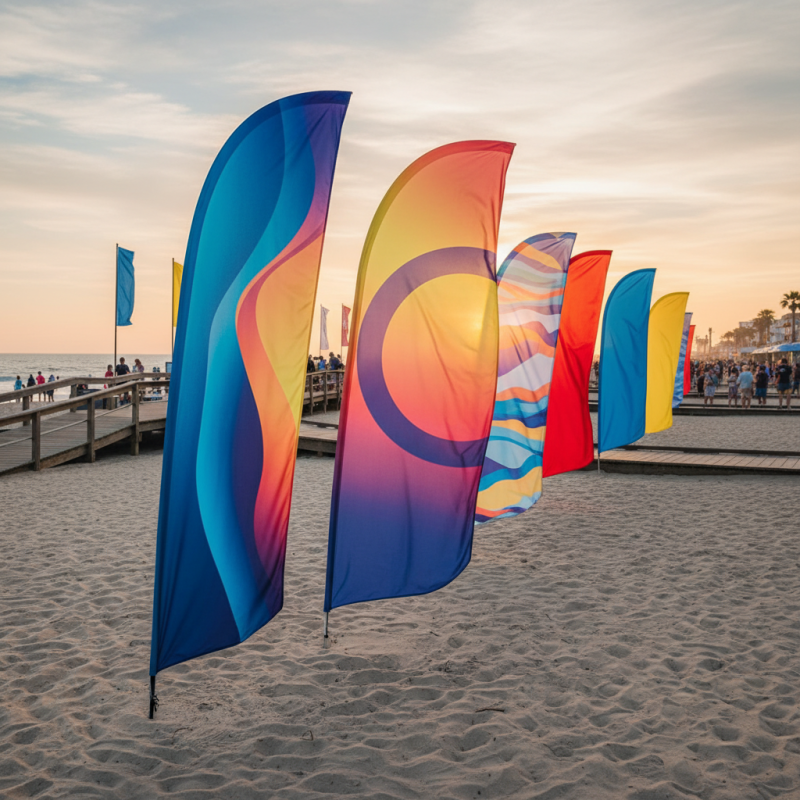
Factors to Consider When Selecting a Beach Flag for Marketing Purposes
Choosing the right beach flag for marketing can be challenging. There are many factors to consider. The flag's size, design, and material can impact its effectiveness and durability. A well-sized flag ensures visibility, while vibrant designs attract attention. Lightweight materials are ideal for windy conditions but may wear out quickly.
Durability and weather resistance are key. Flags made from high-quality fabric withstand the elements better. You want a flag that can last through sun and rain. Think about how often you plan to use your beach flags and where you will display them. Regular use could mean you need a sturdier option.
Colors and branding matter too. Ensure the flag reflects your brand identity. Bright colors stand out, but they must align with your business message. Pay attention to readability. A cluttered design can confuse potential customers. Reflect on these aspects carefully before making a choice, as they will affect your marketing success.
How to Choose the Best Beach Flag for Your Business Needs?
| Factor | Description | Importance Level | Recommended Size |
| Material Quality | Durability and weather resistance of the fabric used. | High | 15 ft |
| Design Customization | Ability to personalize graphics and text for branding. | Medium | 12 ft |
| Portability | Ease of transport and setup at various events. | High | 10 ft |
| Visibility | Height and color contrast of the flag for effective promotion. | Very High | 20 ft |
| Budget | Cost-effectiveness and return on investment. | Medium | 14 ft |
Understanding Different Types of Beach Flags and Their Functions
When selecting a beach flag for your business, understanding the types of flags is crucial. There are several options available, each with unique features. Feather flags, known for their vibrant colors, are excellent for attracting attention. These flags are tall and narrow, making them visible from a distance. They often create a fun atmosphere, perfect for beach events.
Alternatively, rectangular flags provide a more traditional look. They offer ample space for detailed logos or messages. This type is versatile, fitting various business needs. Both styles are typically made from weather-resistant materials. This ensures durability against wind and sun. However, consider the impact of weather. If conditions are extreme, the flag's visibility could diminish.
Choosing the right flag also involves placement considerations. A flag positioned poorly might fail to capture customer interest. Visibility from roads or beach paths is key. Test different heights and locations to find what works best. Reflect on your brand image too. The flag should represent your business values effectively.
Impact of Material and Durability on Beach Flag Longevity
When selecting a beach flag, material and durability are key factors that influence longevity. A quality beach flag can withstand harsh weather conditions and heavy use. Common materials include polyester and nylon. Both are lightweight and easy to transport, but they differ in durability. Polyester is often more UV resistant, making it ideal for sunny locations.
Durability also depends on the stitching and finishing of the flag. Double stitching can enhance its lifespan. Reinforced edges help to prevent tearing during windy conditions. However, not all flags are created equal. Some may fade quickly or fray with minimal use. It’s crucial to consider environmental factors when choosing your flag. Saltwater and sand can cause wear over time.
Evaluating the quality of materials and construction is essential. Reading reviews and consulting professionals can provide valuable insights. It’s important to often reflect on past purchases. Some flags may not have performed as expected. This can help in making a more informed decision next time. Prioritizing quality over cost can pay off in the long run.
Beach Flag Material Durability Comparison
Analyzing Size and Design Options for Maximum Visibility
Choosing the right beach flag can significantly impact your business visibility. Size and design play crucial roles. A larger flag generally attracts more attention, especially in crowded areas. Consider your location; a beach or festival setting demands a flag that stands out. Flags typically range from 6 to 16 feet tall. Choosing a height that aligns with your space is essential.
Design is equally important. Bold colors and eye-catching graphics can draw the eye. You want your flag to convey your brand quickly and effectively. Think about your audience's preferences; they should feel a connection. Certain designs may be more recognizable in different cultural contexts. Reflect on how your flag will look against the sky or the ocean backdrop.
However, not all flags will suit your needs. Test and adjust your designs. It may take multiple iterations to find the perfect fit. Observe how people react; feedback is invaluable. Adjusting your flag design based on environmental conditions, like wind, can also enhance visibility. Finding the ideal balance between size and design requires thought and experimentation. Developing a unique flag is an evolving process, and that's where the real success lies.
Evaluating Costs and Return on Investment for Beach Flag Purchases
When considering beach flags for your business, evaluating costs and return on investment (ROI) is vital. A beach flag might seem like a simple purchase, but its impact on visibility can be tremendous. High-quality flags attract attention and can drive foot traffic significantly. However, their prices vary widely based on materials, printing methods, and sizes. Striking a balance between cost and quality is essential.
Tips: Assess how often you'll use the flags. Frequent events justify a higher investment. Analyze your target audience. Will vibrant colors attract them? If you're unsure about your choices, test different designs. Collect feedback to refine your future purchases.
It's also crucial to consider the durability of the flags. Cheaper options may fade or tear quickly, resulting in more frequent replacements. This cycle can inflate costs over time. Weigh the potential return from each flag against the purchase price. An effective beach flag can yield a high ROI by increasing brand awareness and sales. Yet, it's important to avoid overspending on unnecessary features. Stick to your core messaging and design elements that resonate with your audience.