How to Choose the Best Laser Windows for Your Needs?
Choosing the right Laser Windows is crucial for maximizing optical performance and durability in various applications. According to a recent report by the Laser Institute of America, the growth in the laser technology market is projected at 8.4% annually through 2028. This trend emphasizes the importance of selecting suitable Laser Windows for specific needs.
Renowned expert Dr. Emily Turner stated, “The choice of Laser Windows can significantly impact the efficiency of laser systems and overall project success.” Her insights highlight the essential nature of informed decision-making regarding Laser Windows.
When examining options, factors such as material, thickness, and coating play vital roles. With diverse applications—from industrial cutting to medical devices—understanding these variables is key. Even slight miscalculations can lead to performance issues. Balancing cost with quality is challenging but necessary. This reflection can guide buyers toward making informed and effective choices in the evolving landscape of laser technology.
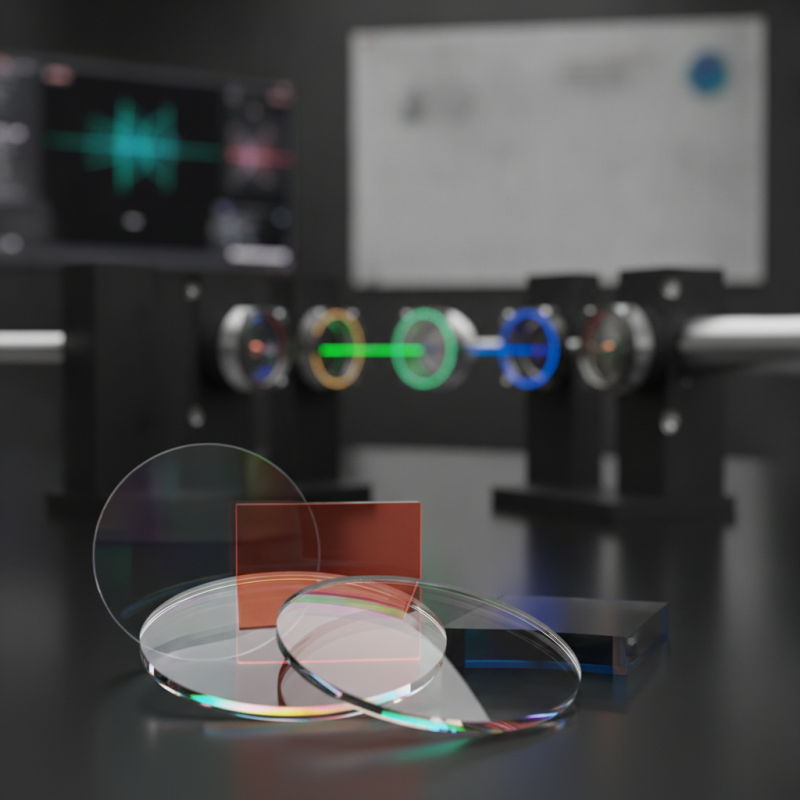
Understanding the Different Types of Laser Windows Available
When selecting laser windows, it's essential to understand the different types available. The most common types include optical glass, quartz, and specialized coatings. Optical glass is often used for standard applications. It balances clarity and cost effectively. Quartz windows excel in high-power applications and can withstand extreme conditions. Their durability makes them ideal for industrial settings.
Specialized coatings can enhance performance. Anti-reflective coatings increase transmission rates. Protective coatings shield against scratches or contaminants. Each type serves a specific purpose. Reflecting on your unique needs ensures the right choice. Consider the environment, wavelength, and power levels.
Navigating these options can be daunting. Mistakes happen, even to experts. It's crucial to review specifications carefully. Engaging with professionals can help clarify choices. Investing in the right window impacts operational efficiency. Each decision should reflect both current needs and future plans. Strive for informed choices to maximize your laser system's potential.
Key Factors to Consider When Choosing Laser Windows
Choosing the right laser windows is crucial for optimal performance. Consider the wavelength of your laser system. Different wavelengths require specific materials to minimize absorption and maximize transmission. For example, infrared lasers might necessitate materials that are quite different from those used in ultraviolet lasers. Therefore, understanding your laser's wavelength is foundational.
Another key factor is the thermal properties of the window material. High-powered lasers generate heat, which can damage the window if it's not dissipated properly. Selecting a material with a high thermal conductivity may help maintain stability. However, not all windows are made equal. Many factors influence how well a material handles heat.
Finally, consider the manufacturing quality and coatings of the window. Imperfections might lead to reduced efficiency or unwanted reflections. Look for windows that have been rigorously tested for consistent performance. Yet, even high-quality windows may still have limitations. It's essential to weigh cost against performance. A more expensive window may be necessary for a particular application, while a less costly option might suffice in another context.
Material Selection: Glass vs. Quartz vs. Other Alternatives
When selecting the best laser windows, material choice is crucial. Glass and quartz are popular options, each with unique benefits and drawbacks. Glass windows are often more affordable and easier to source, but they may not withstand extreme laser energies. Quartz, on the other hand, offers superior thermal stability and chemical resistance, making it suitable for high-power applications. Consider your specific needs before deciding.
Tips: Always assess the laser wavelength before making a choice. Some materials absorb certain wavelengths more than others. Assess this carefully to avoid damaging your windows.
Other alternatives include specialized plastics and ceramics, which may provide a balance between cost and functionality. Such options can be lighter or more durable, but their performance varies significantly under high-energy conditions. Test various materials if possible. This practical approach can save time and resources in the long run.
Remember, this decision is not solely based on initial costs. Think about long-term performance and maintenance. The best material will not only meet your current needs but also adapt to future demands. Choose wisely to ensure reliable results.
Evaluating Wavelength Compatibility for Laser Applications
Choosing the right laser windows involves understanding wavelength compatibility. Different applications require specific wavelengths for optimal performance. For example, some lasers operate in the ultraviolet range, while others function in the visible or infrared spectrum. Each wavelength has unique interactions with materials, influencing the window’s durability and transmission efficiency.
When assessing laser windows, consider the material's absorption characteristics at your operating wavelength. Some materials may seem suitable but can degrade over time, leading to operational failures. Look for data on how a window performs over its lifespan. It's crucial to evaluate not only immediate performance but also long-term reliability.
Testing under real conditions is vital. Simulations can help, but they might not replicate all variables. Regular inspections can identify early signs of wear. This approach informs your choices and narrows down to the most reliable options. Remember, a well-informed decision is essential for ensuring effective laser operation and longevity.
How to Choose the Best Laser Windows for Your Needs? - Evaluating Wavelength Compatibility for Laser Applications
| Wavelength (nm) | Material | Transmission (% | Max Power Density (W/cm²) | Thermal Conductivity (W/m·K) | Cost ($/unit) |
| 1064 | Fused Silica | 90 | 10 | 1.5 | 150 |
| 532 | BK7 Glass | 92 | 5 | 1.1 | 75 |
| 355 | Zinc Selenide | 85 | 7 | 33 | 200 |
| 1450 | Corning Gorilla Glass | 95 | 8 | 1.2 | 120 |
Cost vs. Performance: Making an Informed Decision on Laser Windows
When selecting laser windows, the balance between cost and performance is crucial. High-quality laser windows are often a significant investment. Understanding their role in your laser system ensures you make the right choice. Lower-cost options may save you money upfront, but they might affect your system's efficiency.
Performance hinges on several factors: optical clarity, thermal management, and damage threshold. These attributes can drastically improve or hinder your laser's effectiveness. If a window fails under high energy, the costs could escalate quickly. Sometimes, spending a bit more can result in longer-term savings.
Many users overlook the importance of material selection. Different materials have distinct optical properties, which can influence your application's outcome. A cheaper window with poor transmission might lead to more power loss. It's essential to weigh these factors against your budget. Reflecting on past experiences with laser windows can guide future choices.