How to Choose the Best Wound Care Cleanser for Optimal Healing
Choosing the right wound care cleanser is crucial for optimal healing, as it directly impacts the recovery process and overall patient outcomes. According to the National Institutes of Health, improper wound care can lead to increased infection rates, delayed healing, and even chronic wounds. In fact, a report from the Wound Healing Society indicates that approximately 6.5 million people in the United States suffer from chronic wounds, highlighting the importance of effective cleansing solutions in both clinical and home care settings.
A quality wound care cleanser not only facilitates the removal of debris and bacteria but also prepares the wound environment for healing. Research published in the Journal of Wound Care emphasizes that selecting an appropriate cleanser can minimize further tissue damage and support the healing process. Factors such as the wound type, level of exudate, and skin sensitivity must be considered when choosing a wound care cleanser to ensure it is effective yet gentle. By understanding the essential features of these products and applying evidence-based practices, healthcare professionals can significantly enhance patient care and promote faster recovery.
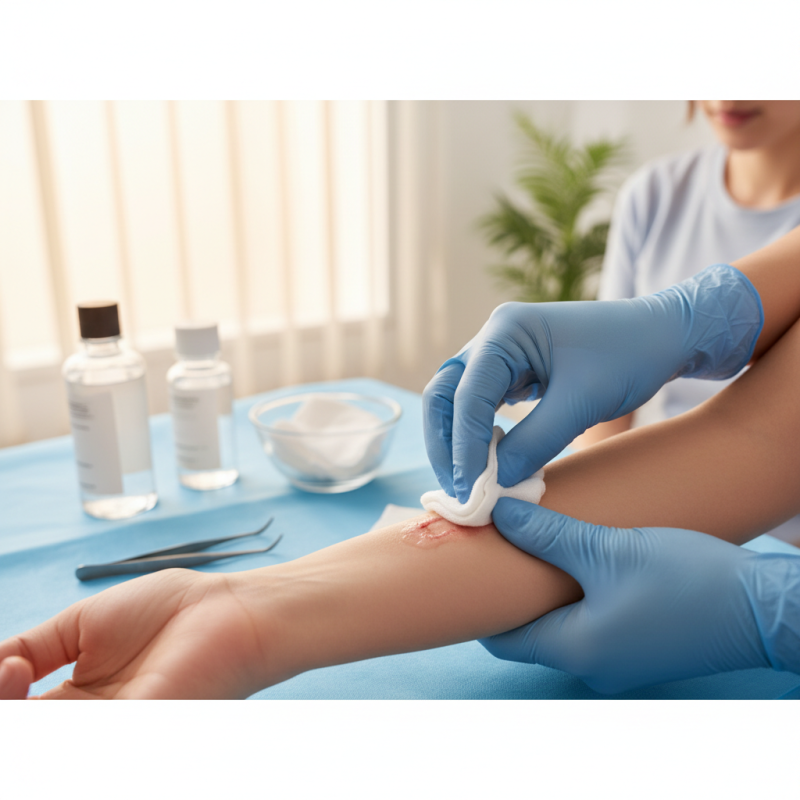
Factors to Consider When Selecting a Wound Care Cleanser
When selecting the best wound care cleanser for optimal healing, several critical factors should be considered. Firstly, the formulation of the cleanser is essential. It should be non-toxic, non-irritating, and designed to maintain the skin’s natural barrier while effectively removing debris and bacteria. According to a report from the World Health Organization, proper wound cleansing can significantly reduce infection rates, which can hinder the healing process.
In addition to formulation, the pH level of the cleanser is another vital factor. A product with a pH close to that of healthy skin (around 4.5 to 5.5) will support the natural healing environment and minimize disruption to the skin's microbiome. Research published in the Journal of Wound Care indicates that using a balanced pH cleanser can enhance healing time by approximately 20% compared to alkaline solutions.
Tips: When choosing a cleanser, opt for one that has been clinically tested and reviewed. Look for comprehensive studies supporting the efficacy of the cleanser in preventing infection and promoting healing. Furthermore, consider the type of wound being treated; for example, more significant wounds may benefit from specialized formulations designed for deeper cleansing.
Also, it's important to assess the packaging and convenience of use. A pump or spray applicator can enable more hygienic application, which is crucial in preventing cross-contamination. An article in Advances in Wound Care highlights that ease of application plays a significant role in compliance among patients, which ultimately affects healing outcomes.
Types of Wound Care Cleansers and Their Effectiveness in Healing
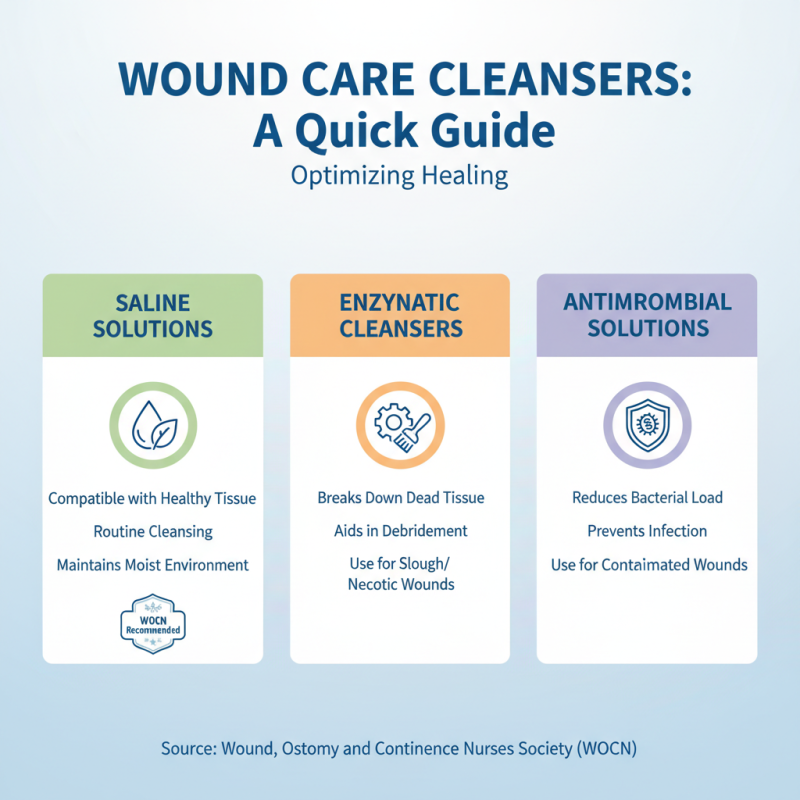
Choosing the right wound care cleanser is crucial for promoting optimal healing, and understanding the types of cleansers available can significantly impact recovery outcomes. There are several types of wound care cleansers, including saline solutions, enzymatic cleansers, and antimicrobial solutions. According to a report by the Wound, Ostomy and Continence Nurses Society (WOCN), saline solutions are often recommended for their compatibility with healthy tissue, making them suitable for routine cleansing without causing irritation. Their effectiveness lies in maintaining a moist wound environment, which is essential for the healing process.
Enzymatic cleansers, on the other hand, contain active ingredients that break down necrotic tissue and promote granulation. A study published in the Journal of Wound Care indicated that using enzymatic cleansers can reduce healing time by up to 30% compared to standard saline solutions in chronic wounds. Furthermore, antimicrobial solutions, while effective in preventing infection, should be used judiciously, as overuse may lead to resistance and inhibit natural healing processes. Ultimately, the choice of cleanser should depend on the wound type, presence of infection, and the overall healing strategy devised by healthcare professionals.
The Role of pH and Osmolarity in Wound Cleansing Solutions
The pH and osmolarity of wound cleansing solutions play a pivotal role in promoting optimal healing. The skin and underlying tissues operate within a narrow pH range, typically between 4.5 and 6.0. Solutions that fall outside this range can disrupt the natural balance of the wound environment, leading to impaired healing or increased susceptibility to infection. A balanced pH not only supports the integrity of healthy tissue but also helps maintain the function of enzymes that are critical for tissue repair. Therefore, selecting a wound care cleanser with a compatible pH can facilitate a more favorable healing process.
Osmolarity, which refers to the concentration of solutes in a solution, also has significant implications for wound care. Solutions with high osmolarity can draw moisture out of cells, potentially causing cellular dehydration and necrosis, which hinders the healing process. Conversely, solutions with low osmolarity may deliver excessive fluid, leading to tissue swelling and the risk of maceration. Thus, when choosing a wound cleansing solution, it is imperative to consider osmolarity to ensure that the cleansing action supports hydration and maintains a moist wound environment conducive to healing. Understanding these factors can significantly improve wound care strategies and outcomes.
pH and Osmolarity of Common Wound Care Cleansers
Evidence-Based Guidelines for Wound Cleansing Practices
Selecting the right wound care cleanser is critical for optimal healing, and adhering to evidence-based guidelines can significantly enhance patient outcomes. According to research published in the Journal of Wound Care, proper cleansing techniques can reduce the risk of infection by up to 50% in chronic wounds. The primary goal of wound cleansing is to remove debris, exudate, and bacteria while minimizing tissue trauma. It is recommended to use isotonic solutions, which help maintain a balanced environment that promotes healing, and avoid harsh antiseptics that can damage healthy tissue.
Moreover, the Wound Healing Society emphasizes the importance of using gentle mechanical means, such as saline irrigation or moistened gauze, to cleanse wounds effectively. In a systematic review of wound cleansing methods, findings indicated that saline and tap water are equally effective in the initial cleansing of non-contaminated wounds, providing a cost-effective solution without compromising safety. Proper adherence to these evidence-based practices not only supports the healing process but also empowers healthcare professionals to achieve the best possible outcomes for their patients.
Comparative Analysis of Commercial Wound Cleansers and Homemade Solutions
When choosing a wound care cleanser, it's crucial to understand the differences between commercial options and homemade solutions. Recent studies reveal that many over-the-counter wound cleansers contain surfactants, which can effectively remove debris and bacteria but may also irritate the wound area. A systematic review published in the Journal of Wound Care indicates that cleansers with non-toxic surfactants showed improved healing times by approximately 20% compared to saline-based solutions. This finding emphasizes the importance of selecting a specialized product that balances effective cleansing with minimal irritation.
On the other hand, homemade solutions, such as saline or dilute vinegar mixtures, have gained popularity due to their cost-effectiveness and accessibility. However, the efficacy of these solutions in promoting optimal healing has been questioned. A report from the Wound Healing Society highlights that while saline is a common choice for wound irrigation, it does not possess the same antibacterial properties found in some commercial options. Additionally, homemade solutions lack standardized formulations, which may lead to variability in their effectiveness. Therefore, while they can be useful for minor wounds, their limitations suggest that for more severe injuries, a well-researched commercial cleanser could be a more reliable choice for optimal healing outcomes.
How to Choose the Best Wound Care Cleanser for Optimal Healing - Comparative Analysis of Commercial Wound Cleansers and Homemade Solutions
| Cleanser Type |
Main Ingredients |
pH Level |
Antimicrobial Properties |
Recommended For |
Cost (Approx.) |
| Commercial Cleanser A |
Water, Sodium Chloride, Benzalkonium Chloride |
6.0 - 7.0 |
High |
Chronic Wounds |
$10 - $15 |
| Homemade Solution A |
Saline (Water + Salt) |
7.0 |
Low |
Clean Wounds |
No cost (Home-made) |
| Commercial Cleanser B |
Water, Polyhexamethylene Biguanide, Aloe Vera |
5.5 |
Moderate |
Burns and Scalds |
$12 - $18 |
| Homemade Solution B |
Honey, Water |
7.0 |
High |
Surgical Wounds |
No cost (Home-made) |