
Skip to Main Content
I'm looking for

Why Should You Consider Gibberellic Acid for Your Plants?

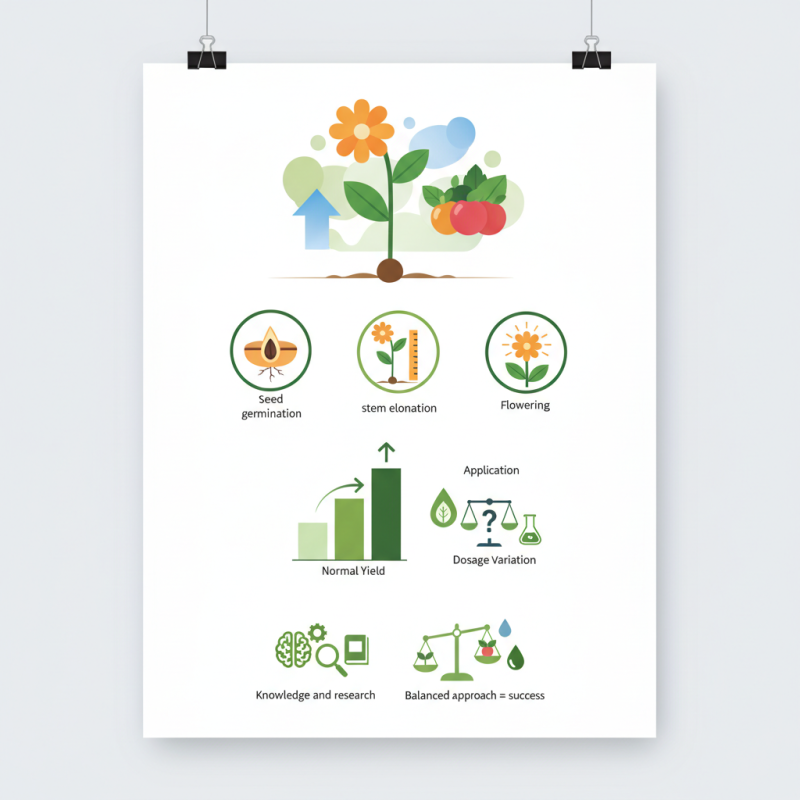
Gibberellic acid is a natural plant hormone that can significantly boost growth and productivity. Many gardeners and growers have started to explore its benefits. This hormone helps in seed germination, stem elongation, and flowering. By stimulating these processes, Gibberellic Acid enables plants to reach their full potential.

Using Gibberellic Acid often leads to enhanced yields and improved quality in crops. It is essential to understand how to apply it correctly for maximum effect. The dosage may vary based on plant species and overall health. Misuse can result in undesirable growth patterns.

Gardening is both an art and a science. Gibberellic Acid offers a valuable tool, but it requires careful consideration. Knowledge and research are crucial when introducing this hormone into your gardening practice. A balanced approach will lead to successful plant development.
Why Should You Consider Gibberellic Acid for Your Plants?

Understanding Gibberellic Acid: Definition and Origins

Gibberellic acid (GA3) is a natural plant hormone. It plays a crucial role in plant growth and development. Discovered in the 1930s, it is derived from fungi. Its origins lie in the humble mold, Gibberella fujikuroi, which affects rice plants. The compound was first identified by scientists who noticed abnormal growth patterns in infected crops.

With the ability to influence various processes, GA3 is vital for gardeners and farmers alike. It promotes seed germination, stem elongation, and flowering. In some cases, its application can lead to larger fruit sizes. However, using gibberellic acid is not without risks. Overapplication can cause stunted growth or poor fruit quality. Plants may react inconsistently to this hormone. Therefore, it requires thoughtful experimentation.

Gibberellic acid is a powerful tool, but caution is essential. Knowing when and how to apply it can make a difference. Understanding its effects can be challenging. Each plant species responds uniquely. Observing plant growth after treatment is necessary for improvement. Monitoring progress allows for better decision-making in future applications.

The Role of Gibberellic Acid in Plant Growth and Development

Gibberellic acid (GA) plays a vital role in plant growth and development. It is a natural plant hormone that influences various processes. These include seed germination, stem elongation, and flowering. When plants receive gibberellic acid, they often exhibit accelerated growth. This effect can be particularly noticeable in crops and ornamental plants.

In crops, gibberellic acid can improve yields and enhance quality. It helps the plant reach the ideal size faster. It also supports the transition from vegetative to reproductive growth. However, not all plants respond equally to GA. Some species may show minimal benefits or even negative effects. Understanding your specific plant’s needs is crucial. Experimentation may lead to a better comprehension of the optimal dosages for your plants.

Gibberellic acid also affects fruit development. It can promote larger fruit size and improve color. However, improper use could lead to excessive growth or poor fruit quality. Striking the right balance is essential for successful cultivation. Observing your plants’ reactions to GA can provide valuable insights. Adjust your approach based on their responses to get the best results.

Benefits of Using Gibberellic Acid for Home Gardeners

Gibberellic Acid (GA) plays a significant role in plant growth. For home gardeners, this natural plant hormone can enhance the vitality of various plants. Studies suggest that GA boosts seed germination rates by up to 50%. A higher germination rate means more robust plants, making it a valuable tool for cultivating vegetables and flowers.


Using gibberellic acid can increase fruit size dramatically. In certain crops, GA treatment has shown a 25% increase in size and yield. This is especially beneficial for gardeners aiming for quality over quantity. However, not all plants respond positively. Some varieties may grow too leggy or lose vibrancy. Proper application is crucial to maximize benefits while minimizing drawbacks.


Many gardeners enjoy experimenting with GA, but results can vary. Factors such as plant type, application concentration, and environmental conditions all influence outcomes. It’s essential for growers to observe their plants closely and adjust their use of GA accordingly. Understanding your plants’ needs will lead to better results, turning challenges into learning opportunities.

Application Methods: How to Use Gibberellic Acid Effectively

Gibberellic acid (GA) can boost plant growth and productivity. Using it effectively requires understanding the application methods. Many gardeners find success with foliar sprays. Mix the recommended dose with water, then spray the leaves, ensuring even coverage. This method allows the plant to absorb GA directly, enhancing growth.

Soil application is another popular method. Dissolve GA in water and apply it to the soil around the roots. This promotes root development. Be cautious with dosage; too much can harm plants instead of helping them. Observing plants after application is vital. Not all plants respond the same way to GA.

Timing is crucial when applying gibberellic acid. Applying it during critical growth stages can yield the best results. Watch for signs of overuse, such as stretched stems or weak growth. Adjust your approach based on how your plants respond. Experimentation is often needed, and observations will guide future applications.

Possible Side Effects and Considerations When Using Gibberellic Acid

When considering gibberellic acid for your plants, it’s important to be aware of potential side effects. This plant growth regulator can promote rapid growth and flowering in various species. However, using it incorrectly can lead to unintended consequences. Some plants may grow too tall or develop weak stems as a result. Over-reliance on gibberellic acid can stunt natural growth patterns.

Users should carefully monitor application rates and timing. Too much can lead to excessive leaf expansion and reduced fruit quality. Additionally, some plants might react adversely, leading to deformities. A controlled environment is vital for its success. Observing your plants closely after application is crucial for assessing their reaction.

Gibberellic acid is not a one-size-fits-all solution. Each species may respond differently. Therefore, it’s wise to experiment on a small scale before wide application. Feedback from previous trials often reveals areas for improvement. Balancing its use with traditional cultivation methods can yield better results. Understanding these considerations ensures that you harness the benefits without compromising plant health.

Contact us