Why Effective Wound Debridement Products Are Essential for Faster Healing Rates
Effective wound management is crucial in promoting faster healing rates, and one of the essential components of this process is the use of Wound Debridement Products. As Dr. Emily Johnson, a leading expert in wound care, emphasizes, "The right debridement product not only accelerates healing but also significantly reduces the risk of complications." This highlights the importance of selecting appropriate debridement methods tailored to individual patient needs.

In 2025, as advancements in wound care technology continue to evolve, the emphasis on effective wound debridement products is more critical than ever. These products range from enzymatic agents to advanced hydrogels, all designed to facilitate the removal of dead or infected tissue while promoting a conducive environment for healing. By understanding the diverse options available, healthcare professionals can make informed decisions that ultimately lead to improved patient outcomes.
This article will explore the various types of Wound Debridement Products available, their benefits, and how they contribute to faster healing rates. As the field of wound care progresses, staying informed about the latest innovations will empower practitioners to optimize treatment strategies and enhance patient recovery experiences.
Top 5 Benefits of Effective Wound Debridement Products for Healing
Effective wound debridement products play a crucial role in promoting faster healing rates for a variety of wounds. One of the primary benefits of these products is their ability to remove necrotic tissue and foreign materials, which can impede the healing process. By facilitating a clean wound environment, debridement products significantly reduce the risk of infection, ensuring that the body can focus on regeneration rather than fighting off pathogens.
In addition to infection control, effective debridement enhances tissue granulation and epithelialization. This is essential for a wound to heal effectively, as healthy tissue formation is a key indicator of recovery. Furthermore, advanced debridement solutions often contain hydrating properties that maintain optimal moisture levels, which is essential for cellular activity and healing.
Lastly, the use of these products can reduce overall treatment time and healthcare costs by preventing complications associated with unmanaged wounds, making them an indispensable tool in wound care management.
Key Features to Look for in Wound Debridement Tools
When selecting wound debridement tools, several key features are essential to ensure optimal healing outcomes. Firstly, the design of the tool should allow for precision and control during the debridement process. Instruments that are ergonomically designed with comfortable grips enhance the clinician's ability to navigate complex wound surfaces effectively, minimizing damage to surrounding healthy tissue. This precision is crucial for promoting a faster healing response.
Additionally, the material of the debridement tool plays a significant role in its effectiveness. Instruments made from stainless steel or medical-grade plastics tend to provide durability and ease of sterilization, which are imperative for maintaining a hygienic environment. Tools that feature various blade shapes and sizes can accommodate different wound types and depths, allowing for tailored debridement that enhances patient comfort and healing rates. Finally, tools with integrated suction capabilities or those that can collect debris help streamline the debridement process, further improving the healing potential of the wound.
Comparative Analysis of Leading Wound Debridement Products
Effective wound debridement is crucial for promoting faster healing rates and preventing complications in wound management. A comparative analysis of leading wound debridement products reveals significant differences in their efficacy, application, and patient outcomes. According to a report by the American Journal of Surgery, proper debridement can reduce healing times by up to 30%, highlighting the importance of selecting the right products for optimum results.
In examining the performance of several debridement options—including enzymatic debridement, mechanical debridement, and autolytic methods—studies have shown that enzymatic products often yield quicker tissue regeneration. For instance, a recent clinical trial published in the Journal of Wound Care found that patients treated with enzymatic debriders exhibited a 40% improvement in healing rates compared to those using traditional methods.
Furthermore, innovations in advanced dressings that combine debridement with moisture management have also demonstrated enhanced efficacy in clinical settings, reinforcing the need for healthcare providers to choose products that align with current research to ensure better patient outcomes.
How Proper Debridement Techniques Accelerate Recovery
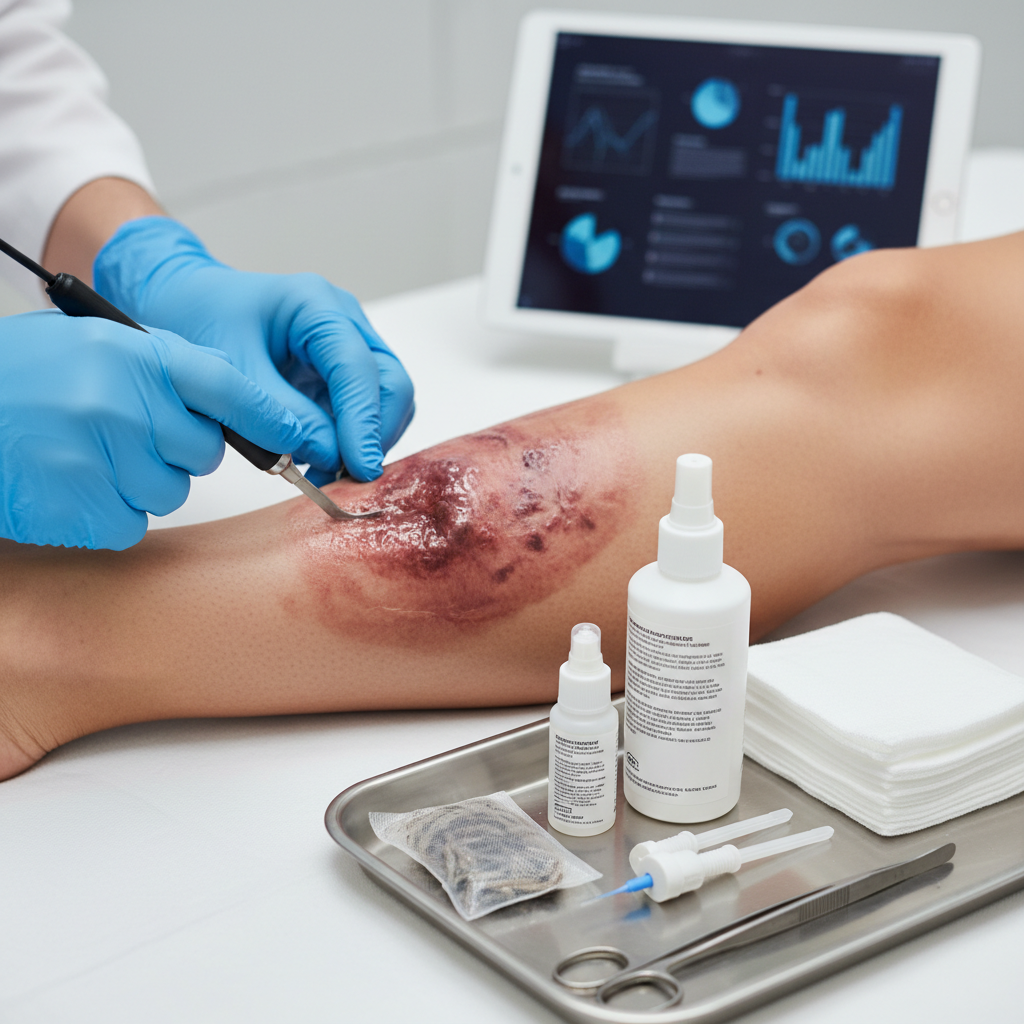
Proper debridement techniques play a crucial role in the wound healing process by removing necrotic tissue, bacteria, and foreign materials from the wound bed. When debris accumulates, it can impede healing and increase the risk of infection. Effective debridement not only clears away obstacles but also creates an optimal environment that promotes tissue regeneration. Different methods, including autolytic, mechanical, and enzymatic debridement, can be employed based on the wound type and condition, ensuring that the process aligns with the patient's specific needs.
Furthermore, the choice of debridement products can significantly influence recovery rates. Advanced wound care technologies, such as hydrogels and hydrophilic dressings, facilitate moisture balance and are designed to work in tandem with natural healing processes. By selecting the right tools and techniques, healthcare providers empower patients to experience reduced pain and quicker recovery times, enhancing their overall quality of life. The integration of effective debridement strategies into wound management protocols underscores the importance of targeted care in achieving optimal healing outcomes.
Why Effective Wound Debridement Products Are Essential for Faster Healing Rates
This chart illustrates the impact of different wound debridement techniques on healing rates over a 4-week period.
Tips for Choosing the Right Debridement Product for Your Needs
When selecting the right debridement product, it is essential to consider the type and severity of the wound. For example, autolytic debridement products, such as hydrocolloids or hydrogels, are ideal for wounds that are not heavily necrotic and require a moist environment to promote healing. These products encourage the body’s natural processes to soften and separate dead tissue, making them suitable for patients with sensitive skin or those looking for a non-invasive option.
In contrast, for more serious wounds with significant necrotic tissue, enzymatic or mechanical debridement products may be more effective. Enzymatic debriders use specific enzymes to break down dead tissue, while mechanical methods like irrigation or wet-to-dry dressings physically remove debris. It is also important to consider any allergies or skin sensitivities your patient may have when choosing a product. By carefully evaluating these factors, you can select a debridement solution that not only accelerates healing but also enhances patient comfort throughout the recovery process.
Why Effective Wound Debridement Products Are Essential for Faster Healing Rates
| Debridement Product Type |
Indications |
Benefits |
Considerations |
| Enzymatic Debridement |
Chronic wounds, necrotic tissue |
Gentle on surrounding tissue, effective tissue breakdown |
Requires a prescription, possible allergic reactions |
| Mechanical Debridement |
Wounds with a lot of debris |
Promotes active cleaning of the wound |
Can be painful, requires skilled application |
| Autolytic Debridement |
Dry wounds with minimal exudate |
Promotes natural healing process |
Takes longer for results, not suitable for infected wounds |
| Surgical Debridement |
Severe wounds, infected tissue |
Immediate removal of problematic tissue |
Invasive, requires recovery time |
| Biological Debridement |
Unhealing wounds |
Highly effective, natural process |
Cultural stigma, not widely accepted |