10 Insulated Thermos Buying Tips for Global Buyers
Choosing an Insulated Thermos for international markets involves more than comparing prices and attractive colors. Buyers must examine thermal performance, materials, safety documentation, supplier consistency, and delivery reliability. A bottle may look impressive online, yet fail after repeated washing or accidental drops. Small details matter. The lid seal, inner wall, coating, and mouth shape affect daily performance.
Dr. Elena Marquez, a thermal-container product specialist with more than 15 years of manufacturing experience, says, “Reliable insulation begins with verified materials and ends with honest performance testing.” Her point is practical. A supplier’s claim of “24-hour cold retention” means little without test conditions, liquid volume, ambient temperature, and measurement methods. Global buyers should request laboratory reports, production samples, inspection records, and clear warranty terms. Independent verification remains valuable, especially when factory samples seem perfect.
This guide presents 10 Insulated Thermos buying tips for distributors, retailers, hospitality groups, and corporate procurement teams. It considers vacuum insulation, food-grade stainless steel, leak resistance, cleaning access, customization, packaging, minimum order quantities, shipping protection, and after-sales support. It also addresses regional preferences, because a narrow bottle may suit office bags but frustrate users filling it with ice. That happens.
Some choices deserve a second look. The cheapest supplier may create higher replacement costs. A heavier model may feel premium, but increase freight expenses. Sustainable claims can also remain vague without recycled-content evidence or responsible packaging details. Careful questions expose these gaps. The right purchase balances proven performance, user comfort, transparent evidence, and long-term commercial value.
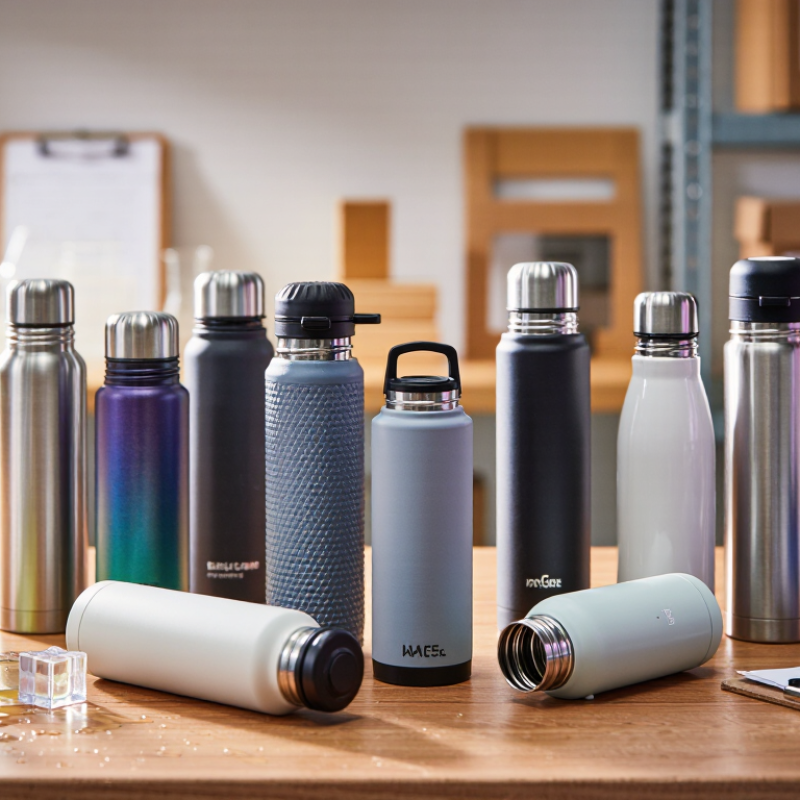
Define Insulation Types and Heat-Retention Performance
For global buyers, insulation type is the first performance decision. A double-wall vacuum thermos slows heat transfer through conduction and convection. It usually keeps tea hot for many hours. Copper-coated inner walls can reduce radiant heat loss. However, coating quality matters more than attractive specifications. Foam insulation is lighter and cheaper, but it often loses heat faster. It may suit short commutes and mild climates.
Tip 1: Ask for measured heat retention, not vague claims. A reliable supplier should state the starting temperature, ambient temperature, liquid volume, and testing period. “Keeps hot all day” means little without conditions.
Tip 2: Check cold retention separately. Some designs perform well with hot water but disappoint with ice.
Tip 3: Examine the lid seal. A thin silicone gasket can leak heat and liquid around the opening. Small details matter.
During sourcing, compare results after six, twelve, and twenty-four hours. A practical test uses boiling water, a closed lid, and a calibrated thermometer. Record the temperature before and after transport. This reflects real handling better than a showroom sample. I have seen excellent vacuum bodies lose performance through loose lids. That mistake is easy to miss.
Tip 4: Request batch testing and material documentation.
Tip 5: Confirm whether the stated capacity excludes the lid space.
Tip 6: Inspect the base and neck, where dents may weaken the vacuum structure.
Performance can vary slightly between production batches, so buyers should allow for verification rather than trusting one perfect sample.
Match Thermos Capacity, Size, and Weight to Your Usage
A thermos should match the day, not just the advertised capacity. The National Academies’ Dietary Reference Intakes estimate daily total water needs at about 2.7 liters for women and 3.7 liters for men, including food and other drinks. That does not mean carrying a three-liter bottle. For office use, 500–750 milliliters usually fits a desk and a standard cup holder. A 1–1.5-liter model suits long drives, fieldwork, or shared drinks, but it becomes heavier quickly.
Tip: Fill the thermos before buying. Water weighs about one gram per milliliter. A 750-milliliter bottle can already exceed one kilogram after adding its steel body, lid, and sleeve. In practical product checks, that difference is noticeable on stairs. A narrow bottle may fit backpack pockets better, while a wider body can offer better stability and easier cleaning. Measure the bottle’s diameter, height, and lid clearance, not only its capacity.
Tip: Think about refill access. A smaller 500-milliliter thermos may work better near water stations. A larger model can reduce refills but may remain half-full by evening. That wastes carrying effort and can affect freshness after repeated opening. The Outdoor Industry Association’s participation research continues to show strong demand for day-use outdoor activities, where pack weight matters. I still question universal size advice. Your route, hand strength, and refill habits matter more than a popular capacity.
Check Materials, Safety Standards, and Product Durability
10 Insulated Thermos Buying Tips for Global Buyers
Material choice affects taste, safety, and service life. Food-grade stainless steel is usually more durable than thin plastic. Look for clear material specifications, not vague phrases like “premium metal.” Stainless steel grades such as 304 are common, while other grades may suit salty or acidic drinks better. The inner wall should resist rust, odors, and staining. Check the lid, gasket, and drinking spout too. These parts often fail before the bottle body.
Safety documents deserve careful attention. Ask suppliers for food-contact test reports from recognized laboratories. Requirements differ across markets, so verify the rules for your destination country. Check testing for heavy metals, harmful chemicals, leakage, and temperature performance. A certificate alone is not enough. Confirm its product model, test date, and laboratory details. I once reviewed a report that covered the steel but not the silicone seal. That small gap mattered.
Durability should be tested under realistic use. Examine welds, threads, hinges, and the vacuum seal. A sturdy bottle should survive repeated opening, moderate drops, and daily washing. Do not trust impressive heat-retention claims without test conditions. Liquid volume, starting temperature, and room temperature can change the result. Ask for cycle testing and inspection records. I have seen attractive samples develop loose lids after several weeks. That experience changed my buying checklist. Dishwasher claims also need caution, because heat can shorten gasket life. A replacement seal should be available and easy to install. Practical details often reveal more than polished product photos.
Evaluate Lid Design, Leak Prevention, and Cleaning Features
When evaluating an insulated thermos, study the lid before admiring the finish. A reliable lid should close evenly, without grinding or excessive force. Check whether its threads align smoothly after several turns. Small misalignment can create leaks during daily use. Silicone gaskets should sit flat in their grooves, with no twists, gaps, or oily residue. A removable gasket is helpful for cleaning, but it must not feel loose. Otherwise, it may disappear in a sink or fail during transport.
Leak prevention needs practical testing, not attractive product descriptions. Fill the thermos with water, tighten the lid, and place it upside down for ten minutes. Then shake it gently over a dry towel. Inspect the lid edge and drinking opening. A locking mechanism can add security, especially inside luggage, but complicated parts often collect coffee stains. Keep that in mind. Wide openings usually make hand washing easier and allow a brush to reach the base. Dishwasher guidance should be clear, since heat may weaken seals or damage insulation. In my own checks, I have trusted a tight first seal too quickly; after repeated opening, it sometimes loosened. Buyers should test the lid after cooling, reheating, and carrying the bottle sideways. Cleaning access matters as much as insulation. A thermos that stays warm but smells stale is not a successful purchase.