7 Tips for Choosing the Best Adhesive Nose Strips
Choosing the right Adhesive Nose Strips can feel simple, but small details often decide whether they work comfortably. The strip must fit your nose, stay secure, and support easier breathing without causing skin irritation. A poorly chosen strip may lift at the edges after a few hours. That is frustrating, especially during sleep or exercise.
Dr. Raj Sindwani, a rhinologist at Cleveland Clinic, explains, “Nasal strips work by gently lifting the sides of the nose to improve airflow.” This practical point matters. Adhesive Nose Strips act externally, so they may help support nasal airflow, but they cannot correct every cause of congestion. They are not a universal solution.
The best choice depends on adhesive strength, strip size, flexibility, skin sensitivity, and intended use. A runner may need stronger hold during sweat. Someone with sensitive skin may prefer a gentler adhesive and slower removal. Clean, dry skin usually gives the strip a better surface. Avoid applying it over moisturiser, oil, or broken skin.
These seven tips will help you compare products more carefully. They will also encourage realistic expectations. The fit may not be perfect on the first attempt. That is normal. Try adjusting placement slightly, and notice how your skin responds overnight. Comfort matters as much as airflow. If breathing problems continue, professional medical advice is more reliable than repeatedly changing strips.
Understanding How Adhesive Nose Strips Work
Understanding How Adhesive Nose Strips Work
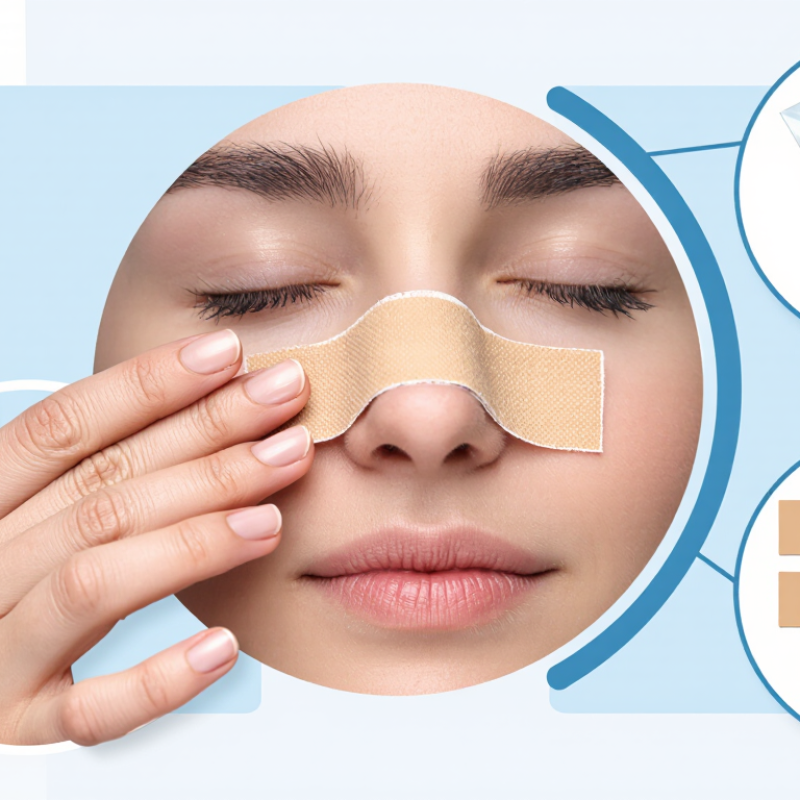
Adhesive nose strips use gentle upward tension to lift the skin around the nasal bridge. This can slightly widen the front of the nasal passages. More air may then move through the nose during rest or exercise. The strip does not enter the nostrils. It works from the outside. Its flexible center acts like a small spring, while the adhesive keeps both ends attached to clean, dry skin.
Choosing the right strip involves more than picking the strongest adhesive. Measure the nasal bridge and select a suitable width. Place it above the nostril flare, not directly on the soft nasal tip. Oil, moisturizer, sweat, and facial hair can weaken contact. Sensitive skin may need a gentler adhesive and a shorter wear time. Remove the strip slowly after moistening the edges. Pulling it off quickly may cause redness or discomfort.
Results vary. A strip may help with temporary nasal stuffiness, but it cannot correct every breathing problem. It does not treat conditions such as sleep apnea or replace professional assessment. The less comfortable truth is that stronger adhesion is not always better. Skin irritation can make a useful product impractical. Check the skin after use, and stop if burning, swelling, or persistent redness develops. Testing one strip during the day is a sensible, if imperfect, starting point.
Identifying Your Skin Type and Breathing Needs
7 Tips for Choosing the Best Adhesive Nose Strips
Your skin type and breathing pattern should guide every adhesive nose strip choice. Oily skin may loosen the strip during sleep. Clean your nose with gentle soap, then dry it completely. Avoid applying moisturizer underneath. Dry, sensitive skin needs more caution. Choose a strip made for sensitive skin, and check its adhesive ingredients. Patch test it on your cheek first. Wait 24 hours. Redness, itching, or burning means you should remove it.
Breathing needs differ from person to person. A strip may gently lift the outer nasal walls, helping airflow through the nostrils. It cannot correct a deviated septum, severe congestion, or sleep-related breathing disorders. Notice when breathing feels difficult. Is one nostril blocked? Does congestion appear only during allergy season? These details can influence your choice. Select a size that sits across the firm upper nose, not the soft tip. Too much tension may irritate skin. Too little may do almost nothing.
Check the strip’s flexibility, removal instructions, and wearing time. Never place it over broken skin, active rashes, or fresh cosmetic treatments. Remove it slowly after softening the adhesive with warm water. Do not reuse it. A practical fitting test helps: breathe normally, smile, and move your nose. The strip should stay secure without pulling sharply. Many people focus only on stronger adhesion. That can be a mistake. Comfort, skin response, and realistic breathing expectations matter more. If snoring or restricted breathing continues, seek advice from a qualified healthcare professional.
Comparing Strip Materials, Shapes, and Adhesive Strength
7 Tips for Choosing the Best Adhesive Nose Strips
Material affects comfort, flexibility, and skin tolerance. Most strips use polyester, polyurethane, or nonwoven backing. Polyester feels firmer, while polyurethane bends more naturally during sleep. A 2024 Grand View Research report valued the global pressure-sensitive adhesives market at approximately US$9.8 billion in 2023. That figure covers many applications, not nose strips alone. Still, it shows how widely adhesive performance is engineered and tested.
Shape controls lifting direction. A wide central bridge may suit broader noses, while tapered ends can reduce edge peeling. Curved strips often follow the nasal contour better than straight designs. Measure the bridge, not the nostril opening. The strip should lift gently without covering the nostrils. A 2022 systematic review in Sleep Medicine Reviews reported that external nasal dilators may improve perceived airflow, but evidence remains limited. Do not confuse easier breathing with treatment for sleep disorders.
Adhesive strength needs balance. Weak adhesive curls at the corners after washing. Excessive strength can cause redness, especially on dry or sensitive skin. Look for skin-contact testing, clear wear-time guidance, and residue information. Medical-grade adhesive language alone is not enough. Clean, dry skin usually improves contact. Avoid applying lotion first. I have found that a smaller strip sometimes holds better than a larger one, although this is not universal. Test one strip during the day before sleeping with it overnight. Stop if burning, swelling, or persistent redness appears.
Applying, Removing, and Replacing Nose Strips Correctly
Applying a nose strip correctly starts with clean, completely dry skin. Remove oil, moisturizer, and sweat from the bridge of your nose. Even a thin skincare layer can weaken adhesion. Center the strip over the nasal bridge, then press outward for several seconds. Do not stretch it during application. That can create uneven tension and redness.
I used to pull strips off quickly. That shortcut was wrong. Loosen each edge with warm water, then peel slowly toward the cheeks. Stop if the skin stings, bleeds, or feels unusually hot. The American Academy of Dermatology Association estimates that contact dermatitis affects about 15 million Americans annually, so irritation deserves attention. A patch test on the outer arm can reveal sensitivity before overnight use. It is not perfect, but it is sensible.
Follow the package wear-time guidance, commonly several hours rather than an entire day. Replace the strip after one use. Adhesive strength, skin oil, and humidity change performance. If the strip lifts during sleep, do not press it back onto dirty skin. Clean the area first, or discard it. Avoid applying strips over cuts, sunburn, active rashes, or freshly exfoliated skin. Persistent redness requires a pause and professional medical advice.