Top 5 Multi Parameter Water Quality Analyzers at Canton Fair 139?
The 139th Canton Fair presents an exciting opportunity to explore cutting-edge technology in the water quality sector. Among the highlights are multi parameter water quality analyzers. These devices provide essential measurements for various water quality parameters and are vital for ensuring safe water access.
Dr. Emily Chen, a leading expert in water quality analysis, noted, “The reliability of a multi parameter water quality analyzer can significantly affect environmental monitoring.” Her insights emphasize the importance of quality and precision in these analyzers. As technology advances, we see innovative features that streamline data collection and analysis processes.
At this year's fair, buyers can utilize AI-driven tools to quickly identify suppliers certified with ISO and CE standards. This efficiency helps attendees navigate the vast exhibition space of over 1.55 million square meters. However, it is essential to critically assess the capabilities of each multi parameter water quality analyzer presented. Not all products meet the highest standards, and choosing the right one requires careful consideration.
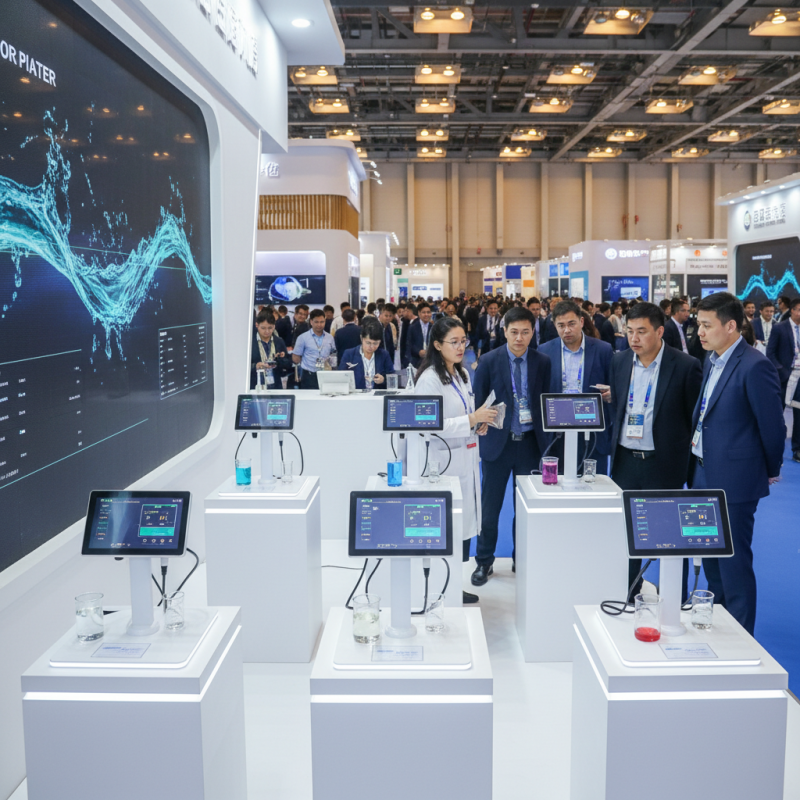
Overview of Multi-Parameter Water Quality Analyzers
Multi-parameter water quality analyzers play a crucial role in environmental monitoring. They measure various parameters like pH, turbidity, and dissolved oxygen in real time. According to a recent market report, the global water quality testing market is projected to reach $4.7 billion by 2026. This growth is driven by environmental regulations and public awareness of water safety.
When at the Canton Fair, attendees will notice innovations in portable analyzers. These devices offer ease of use for fieldwork. A survey revealed that users find a 30% reduction in testing times with multi-parameter devices compared to single-parameter units. However, accuracy remains a concern. Some devices may struggle with calibration, particularly in challenging conditions.
Data from the World Health Organization indicates that nearly 80% of diseases in developing countries stem from unsafe water. This highlights the urgent need for effective monitoring tools. However, not all analyzers provide comprehensive data. Many rely on incomplete datasets, leading to potential oversight. Improving data integrity can enhance overall water management strategies.
Top 5 Multi Parameter Water Quality Analyzers at Canton Fair 139
| Model | Parameters Measured | Measurement Range | Accuracy | Applications |
| Model A | pH, TDS, ORP | 0-14 pH, 0-1000 ppm | ±0.01 pH | Water Treatment, Aquaculture |
| Model B | pH, Conductivity, Temperature | 0-14 pH, 0-2000 µS/cm | ±0.02 pH | Environmental Monitoring, Lab Testing |
| Model C | pH, Dissolved Oxygen, Turbidity | 0-14 pH, 0-20 mg/L | ±0.03 mg/L | Wastewater Treatment, Research |
| Model D | pH, TDS, Alkalinity | 0-14 pH, 0-1000 ppm | ±0.01 pH | Swimming Pools, Municipal Water |
| Model E | pH, Heavy Metals, Conductivity | 0-14 pH, 0-500 µg/L | ±0.02 µg/L | Industrial Monitoring, Drinking Water |
Key Features of Top Analyzers Showcased at Canton Fair 139
The Canton Fair 139 showcased remarkable multi-parameter water quality analyzers. These devices are crucial for monitoring water quality in various sectors, from agriculture to industrial applications. A key feature that stood out was their ability to measure multiple parameters simultaneously, including pH, dissolved oxygen, turbidity, and conductivity. This real-time data collection enhances decision-making processes and promotes better water management practices.
According to recent industry reports, over 70% of water quality issues arise from inadequate monitoring. The analyzers at the fair addressed these challenges with advanced sensor technologies and user-friendly interfaces. One model featured a rugged design, ideal for harsh environments. Another unit boasted a cloud connectivity option for remote monitoring. These innovations are vital in ensuring compliance with environmental regulations, which have become stricter worldwide.
Despite the advances, some concerns linger. High costs may restrict access for smaller enterprises. Additionally, calibration and maintenance remain challenging for some users. Continuous training and support are essential to maximize the benefits of these analyzers. The Canton Fair highlighted how the industry is evolving, but there remains significant room for improvement in accessibility and user experience.
Top 5 Multi-Parameter Water Quality Analyzers
Comparison of Popular Brands and Models in Water Quality Analysis
The Canton Fair recently highlighted some interesting multi-parameter water quality analyzers. Various models showcased their capabilities, but not all stood out equally. A few models displayed impressive accuracy in monitoring pH, turbidity, and dissolved oxygen. However, some lacked user-friendly interfaces, which can frustrate operators.
Brands showcased varied pricing and features. Some analyzers offered extensive data logging, while others had basic readouts. This led to mixed reviews from attendees. The ease of calibration also differed across models. Some machines required complex procedures that could deter potential buyers. Users looking for quick solutions might find these complexities cumbersome.
In terms of size, portability varied significantly. Some analyzers were bulky and not suitable for fieldwork. Others were compact, allowing easy transport. Each design choice has pros and cons. Overall, the selection offered valuable insights into the current state of water quality analysis. Observers noted that ongoing improvements are still needed in certain areas.
Applications and Benefits of Multi-Parameter Analyzers for Water Testing
Multi-parameter water quality analyzers play a crucial role in monitoring water. These devices measure various parameters like pH, turbidity, and dissolved oxygen. Such versatility makes them ideal for environmental testing. They help ensure safe drinking water and contribute to ecological research.
In agricultural settings, these analyzers assess irrigation water quality. Farmers can improve crop yields with reliable data. Users often face challenges, such as calibration and maintenance. Regular checks are essential to keep devices functioning well. Simple errors can lead to inaccurate results. Water testing is vital for both health and environment.
Many industries now emphasize the importance of clean water. Water quality affects production processes and product quality. With the right analyzers, companies can minimize risks. However, some organizations still overlook this need. Understanding water quality is a continuous learning process. Utilizing multiparameter analyzers can pave the way for better practices in water management.
Future Trends in Water Quality Monitoring Technology and Innovation
Innovation in water quality monitoring technology is crucial as environmental challenges grow. New multi-parameter water quality analyzers are emerging. These devices enable precise measurement of various contaminants. They offer real-time data, supporting better decision-making in water management.
Tips: Regular calibration is essential for accuracy. Neglect can lead to false readings. Make a maintenance schedule.
Another interesting trend is the integration of IoT in water quality analysis. Sensors can now connect to networks, sharing data instantly. This connectivity allows for quicker responses to pollution events. However, technology's rapid evolution poses challenges. Users must stay updated on software changes.
Tips: Ensure cybersecurity measures are in place. Protect sensitive data against breaches. Training users on new features improves efficiency.
Ultimately, as these technologies evolve, they must address the diverse needs of practitioners. The balance between user-friendliness and advanced functionality is vital. Manufacturers should listen to feedback. Continuous improvement is key in this rapidly changing field.