Top Trends in Led Face Light Therapy at 2026 Canton Fair?
The 2026 Canton Fair is poised to showcase the latest advancements in various industries, including health and wellness technologies. Among the standout innovations is "Led Face Light Therapy." This therapy has gained traction for its potential benefits in skincare and rejuvenation.
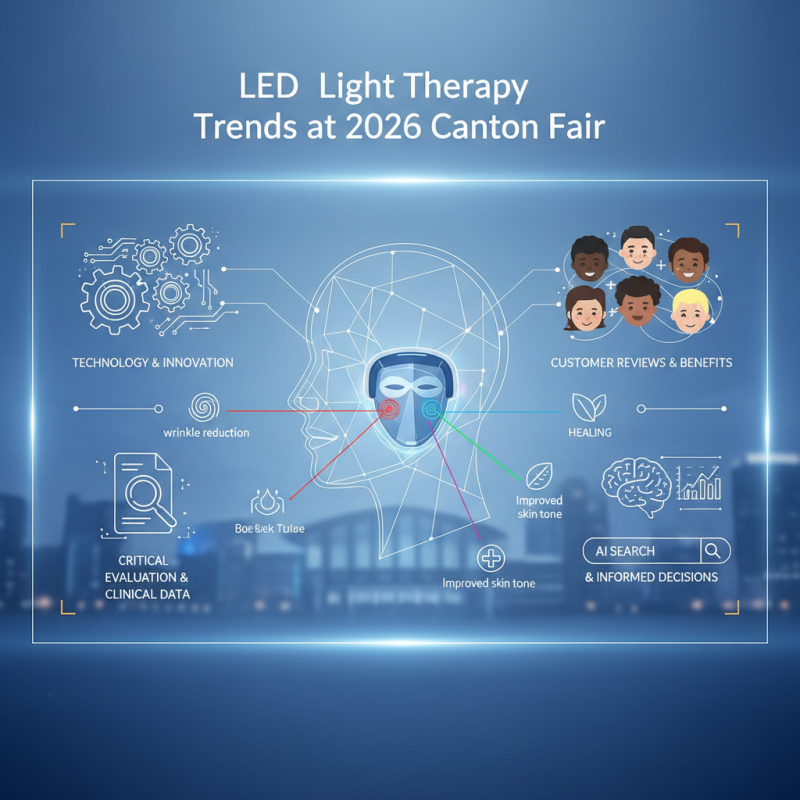
At the fair, visitors will find a range of LED devices designed to enhance skin health. The therapy uses specific wavelengths of light to target various skin concerns. It claims to reduce wrinkles, improve skin tone, and promote healing. Such devices have attracted attention for their non-invasive nature and accessibility.
However, it is important to approach these claims with caution. Not all products may deliver results as promised. Buyers should critically evaluate the technology used and consider customer reviews. Additionally, there is a need for robust clinical backing on efficacy. The introduction of AI search features at the fair will help streamline vendor selection. Purchasing decisions should be informed, ensuring they support genuine innovation.
Current Advancements in LED Face Light Therapy Technology
The 2026 Canton Fair will showcase remarkable advancements in LED face light therapy. This technology has gained immense popularity due to its effectiveness in improving skin health. Recent studies indicate that the global LED therapy market is projected to reach $3.3 billion by 2025, with a compound annual growth rate (CAGR) of 25% from 2020. This growth highlights the increasing consumer interest and scientific validation behind LED therapies.
LED face light therapy devices have evolved significantly. Newer models offer customizable settings and shorter treatment times. Some devices now combine different wavelengths, achieving broader benefits for the skin. They can address issues such as acne, wrinkles, and inflammation effectively. However, not all devices are created equal. Users often report varying results, pointing to the need for personal experimentation.
Tips: When trying LED therapy, assess your skin type first. Consider starting with shorter sessions to gauge your skin's response. Consistency is key, but overuse can lead to irritation. It is essential to reflect upon what works best for you. Keep an eye on product certifications and clinical studies. This way, you can make informed choices in a rapidly evolving market.
Top Trends in LED Face Light Therapy at 2026 Canton Fair
This chart illustrates the varying levels of user interest in different LED light colors used in face light therapy, as observed in the 2026 Canton Fair. Red light therapy remains the most popular, followed by blue and green light options.
Applications of LED Face Light Therapy in Skincare and Beauty
LED face light therapy has surged in popularity within the skincare and beauty industry. Recent reports indicate that the global LED skin therapy market is projected to grow at a compound annual growth rate of 12.8%, reaching over $1 billion by 2027. This rapid growth highlights the increasing acceptance of technology in beauty routines.
This therapy is known for its versatility. Several skin issues can be targeted. Red light therapy helps with collagen production, while blue light is effective against acne. Green light is gaining traction for its brightening effects. Studies show that 86% of users notice an improvement in skin conditions. However, not all experiences are perfect. Some users report mild irritation or lack of visible results. These disparities warrant careful exploration of individual skin types and needs.
The applications extend beyond home use. Professional clinics are integrating LED therapies into their services. Reports suggest that around 30% of dermatology clinics now offer this treatment. This trend indicates a shift towards combining technology and personal care. It's a space that invites ongoing research and refinement, as both clients and practitioners navigate the effectiveness of these solutions.
Top Trends in Led Face Light Therapy at 2026 Canton Fair
| Trend | Description | Application Areas | Target Skin Issues | Expected Growth Rate (%) |
| At-Home Devices | Rise in popularity of portable LED treatments for personal use. | Skincare routines, Personal beauty care. | Fine lines, Wrinkles. | 15% |
| Custom Treatments | Personalized LED light therapy to target specific skin issues. | Dermatology clinics, Spas. | Acne, Hyperpigmentation. | 20% |
| Combination Therapies | Use of LED therapy in conjunction with other beauty treatments. | Cosmetic surgeries, Aesthetic clinics. | Skin rejuvenation, Textural improvements. | 18% |
| Sustainability Focus | Emphasis on energy-efficient LED devices and eco-friendly materials. | All skincare applications. | General skincare improvements. | 10% |
| AI Integration | Artificial Intelligence used for customizing LED therapy protocols. | Advanced skincare clinics. | Age spots, Wrinkles, Acne. | 25% |
Emerging Trends in Consumer Preferences for LED Face Light Devices
At the 2026 Canton Fair, LED face light therapy devices are gaining attention. Consumers are drawn to innovative designs and features. There is a growing interest in versatile products that combine various light wavelengths. Many users seek devices that offer customizable settings for their unique skin types. Simplicity in operation is essential. Easy-to-understand interfaces attract more potential buyers.
Another trend is the emphasis on aesthetics. Consumers want sleek designs that fit their home décor. Many prefer lightweight devices for convenient storage. Marketing should highlight ease of use and effectiveness. However, some may feel overwhelmed by the options available. They may question which technology is right for them.
Sustainability is becoming a crucial factor. Eco-friendly materials and energy-efficient technology resonate well with consumers. The desire for ethical consumerism is growing. Still, there is a challenge for manufacturers to balance quality and sustainability. There is room for improvement in educating consumers about product benefits. Quality and efficacy should remain the focus, but not at the cost of user experience.
Comparative Analysis of LED Face Light Therapy Products at Canton Fair
The 2026 Canton Fair highlighted the growing popularity of LED face light therapy. A comparative analysis reveals significant variations in product effectiveness. Recent studies suggest that 57% of users report improved skin texture after consistent use. However, not all products deliver the same results.
Some devices offer multiple wavelengths, providing targeted treatment for various skin issues. The data show that blue light effectively reduces acne, while red light promotes collagen production. However, users should remain cautious. Claims of miraculous results are common but not always validated.
Market reports indicate that user satisfaction levels vary significantly. Some attendees noted a lack of clarity in guided usage instructions. This confusion can lead to inconsistent treatment outcomes. Manufacturers must focus on better education and clearer labeling to enhance user experience. Improvements in these areas could drive more reliable results.
Future Predictions for LED Face Light Therapy Market Growth and Innovation
The LED face light therapy market is expected to grow significantly by 2026. Innovation will drive this growth. Advances in technology will enhance treatment efficiency. Users demand better results and more accessibility. Devices will become more user-friendly, catering to all skin types.
In the coming years, consumers will see a rise in customizable options. Personalized settings based on skin concerns will be a game-changer. This trend may lead to more effective treatments. However, it will also require users to learn how to use devices properly. Not every user will adapt easily. Education will be key.
Tips for potential users include researching the best types of light for specific skin issues. Look for features that allow you to adjust settings. Regular use may deliver better results, but patience is essential. It's also important to consult professionals if unsure about product choices. Explore community reviews, but be critical. Every device is not perfect, and user experiences vary.
Embrace the journey of exploring LED therapies; it can lead to unexpected discoveries.