Skip to Main Content
I'm looking for

What Are the Top Types of Vape Pins for Buyers?

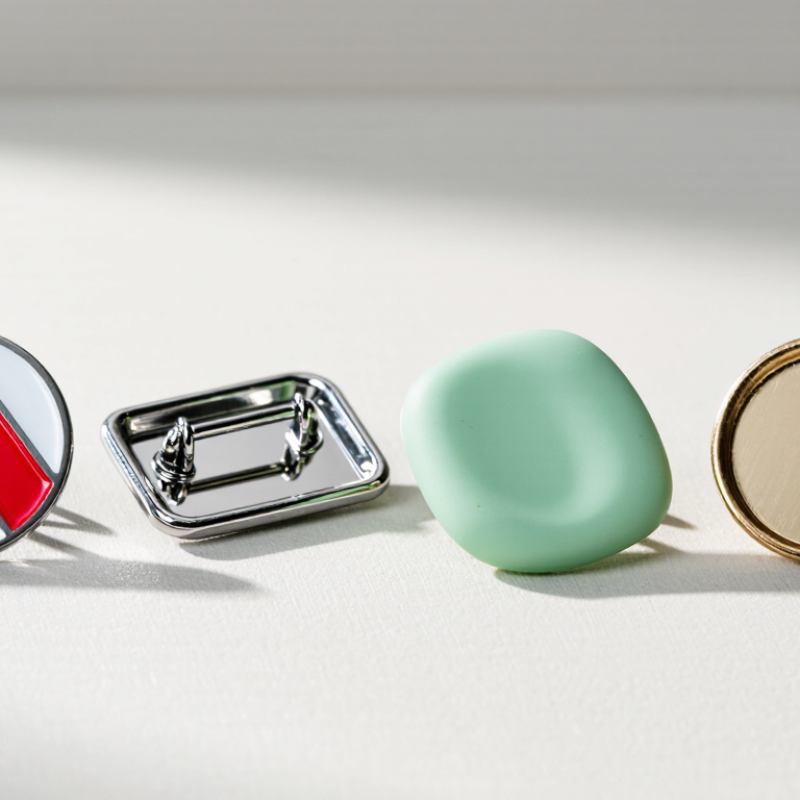
A Vape Pin may be a small accessory, but its finish, fastening, and design affect how useful it feels. Buyers will encounter enamel lapel pins, polished metal styles, soft silicone designs, and custom logo pins. Each option suits a different purpose. Enamel can show crisp colors and fine artwork, while metal designs often have a clean, understated look. Silicone feels softer and may suit casual display, though it can show wear differently. Small details matter.

This guide compares common types and the features worth checking before you buy. Look closely at pin backs, edge quality, color consistency, and the stated material. A secure butterfly clutch may work for a jacket, while a magnetic backing can be gentler on some fabrics. Neither is perfect for every use. A pin that looks sturdy in a product photo may feel lighter in person, so clear specifications and close-up images are useful. Reviews can help, but one buyer’s experience is not proof of consistent quality.

Think about where the pin will go: a bag, display board, or clothing. Consider size and weight, too. A large design may catch on fabric. A subtle one may be hard to notice. These are decorative accessories, not functional vaping components. Check the seller’s description carefully, especially when product names are vague. A little caution helps. The best choice is not always the most elaborate; it is the one whose construction, appearance, and price match your needs.
What Are the Top Types of Vape Pins for Buyers?

What Vape Pins Are and How They Connect Device Components

Vape pins are small conductive contacts that help link a device’s power source, control components, and heating assembly. Their size can make them easy to overlook. Yet poor contact may cause intermittent operation or prevent a component from being recognized.

Common designs include fixed pins, spring-loaded pins, and magnetic contacts. Fixed pins stay in place and rely on matching surfaces to meet securely. Spring-loaded pins move slightly, helping maintain contact when parts have small differences in height. Magnetic contacts use magnets to guide connected parts together, while conductive surfaces carry the electrical connection. Designs vary, so a pin that fits one device may not suit another. A pin can look simple; that does not make it foolproof. Bent contacts, residue, or loose parts may affect performance, and visual inspection cannot reveal every electrical fault.

Tips: Check that contacts are clean, dry, and undamaged before use. Avoid forcing parts together; resistance may signal a mismatch. If a pin feels loose or the device behaves inconsistently, stop using it and consult the device’s instructions or a qualified repair professional. Small details matter.

Common Vape Pin Designs and How They Connect

Both designs use a threaded 510 connection to join device components. A fixed-pin connector has a stationary center contact, while a spring-loaded pin moves slightly to help maintain electrical contact when parts are connected. In this chart, 1 means the feature is present and 0 means it is absent.

Fixed and Spring-Loaded Pins: The Main Contact Designs

Fixed and spring-loaded pins solve different contact problems. A fixed pin is a solid metal contact with no moving parts. It suits assemblies with consistent spacing and firm alignment. Its weakness is tolerance: a small height mismatch can leave a gap or uneven pressure.

Spring-loaded pins compress slightly, helping maintain contact when parts shift or dimensions vary. They can feel more forgiving. But the internal spring adds a wear point, and dust or residue may affect movement.

For buyers, compare contact resistance, rated current, plating, working stroke, and cycle-life test results—not just pin appearance. IEC 60512 provides standardized connector test methods, including contact-resistance and mechanical-operation checks. Ask suppliers for test conditions; “cycle life” means little without them.

Grand View Research estimated the global e-cigarette and vape market at USD 28.17 billion in 2023. That market figure shows commercial scale, not pin reliability. Don’t confuse the two.

In a sample, check whether a spring pin returns smoothly and whether a fixed pin sits flush. A spring-loaded design is not automatically better; sometimes the extra mechanism is simply unnecessary.

A useful comparison includes voltage drop under the intended load and repeated mating tests. Small detail, real difference.

Common Pin Materials and Their Effect on Conductivity

Copper, brass, and stainless steel are common materials for electrical pins. Their conductivity differs sharply. The International Annealed Copper Standard (IACS) sets annealed copper at 100% conductivity at 20°C. Copper Development Association tables place many brasses around 25–40% IACS, while common stainless steels may sit near 2–3%. These are representative figures; alloy grade and processing matter. A copper pin can carry current efficiently, while brass often offers a practical balance of conductivity and stiffness. Stainless steel is more corrosion-resistant, but conducts much less.

Plating also matters. A thin gold or silver finish can help resist surface oxidation, but it cannot make a poorly conducting steel core behave like copper. Contact pressure, surface cleanliness, and pin shape affect resistance too. In real assemblies, a loose contact may cause more trouble than a small difference in alloy conductivity. That part is easy to overlook.

Tips: Check the pin’s base metal and plating specification, not just its appearance. Compare resistance under the intended current and temperature. Ask for test data. A caveat remains: published conductivity values do not predict every finished connection.

How Pin Types Differ in Compatibility and Performance

Vape pins mainly differ by contact design: fixed, spring-loaded, and adjustable center pins are common examples. Many devices use a threaded 510-style connection, but dimensions and tolerances can vary. A matching thread alone does not guarantee a reliable fit. Check the device and atomizer specifications before pairing them.

A fixed pin has a set height and can make steady contact when both parts are designed to match. A spring-loaded pin moves slightly, helping accommodate small differences in connector height. That can reduce gaps, though a worn or stuck pin may cause intermittent contact. Adjustable pins offer more control, but extending one too far can damage the connection or prevent a flush fit. Small details matter. Keep contacts clean and dry, and stop using a pairing that feels loose, heats unusually, or works inconsistently. Pin design is only part of performance; device settings, coil condition, and connector wear also play a role. I used to assume a spring pin solved every fit issue. It does not. Check the product instructions rather than forcing a connection that seems close.

What Are the Top Types of Vape Pins for Buyers? - How Pin Types Differ in Compatibility and Performance

Pin or Connector Type Typical Applications Compatibility Performance Characteristics What Buyers Should Check
510 threaded connection with a fixed center pin Threaded vape batteries and compatible cartridge-style atomizers. Uses the widely adopted 510 thread format, but fit is not guaranteed across every device. Cartridge diameter, center-pin position, resistance, and device limits also matter. Provides a direct electrical connection. A fixed pin has no spring travel, so devices with mismatched contact heights may connect inconsistently. Confirm thread fit, cartridge dimensions, center-pin reach, airflow alignment, and the device’s supported resistance range.
510 connection with a spring-loaded center pin Some threaded batteries and devices designed to accommodate small differences in cartridge contact height. Retains the 510 thread format; the spring-loaded center contact can help with contact-height variation but does not make an otherwise incompatible cartridge compatible. Spring travel can help maintain electrical contact and reduce looseness caused by small height differences. The contact still needs to be kept clean and undamaged. Check the usable pin travel, thread and cartridge fit, and whether the spring contact moves freely without sticking.
Magnetic pod contacts Replaceable pod systems where magnets help hold a pod in place and conductive contacts transfer power. Usually specific to a device or pod family. Similar-looking magnetic pods may differ in contact layout, dimensions, or electrical configuration. Magnets make pod installation and removal convenient. Electrical reliability depends on correct alignment and clean contact surfaces. Verify the exact device-and-pod pairing, magnet orientation, contact arrangement, and whether the pod seats securely.
Spring-loaded pogo-pin contacts Compact pod devices and other equipment that uses small, retractable electrical contacts. Typically designed for a particular device and contact pattern rather than universal interchange. Pin spacing and contact position must match. Spring-loaded plungers can accommodate minor tolerance differences and maintain pressure against a mating contact. Dirt, liquid residue, or wear can affect connection quality. Check pin spacing, contact count, travel, alignment, and cleaning guidance; avoid forcing a pod that does not seat normally.
Fixed multi-pin pod contacts Pod systems using two or more stationary electrical contacts for power or device-specific functions. Generally proprietary to the matching device and pod design. Contact count and layout are not standardized across systems. Fewer moving parts can make the contact structure straightforward, but reliable operation depends on accurate alignment and clean surfaces. Match the pod to the specified device, compare contact layout and orientation, and inspect contacts for residue or damage.

Buyer note: “Vape pin” can refer to the center contact in a threaded connection or to electrical contacts in a pod system. Connector style alone does not establish compatibility; check the device and cartridge or pod specifications before buying.

What Buyers Should Check Before Choosing Vape Pins

Before choosing vape pins, confirm the device’s connection type, dimensions, and rated current. A pin that looks close may sit unevenly or loosen under repeated use. Check the drawing, not just the product photo. Measure the pin diameter, contact depth, and thread fit with suitable tools, then compare them with the device specification.

Material and finish matter. Stainless steel resists corrosion; plated copper alloys can offer better conductivity, but plating thickness and wear quality vary. Ask suppliers for material certificates, dimensional tolerances, and current-rating test results. UL 8139, a safety standard for electronic-cigarette electrical systems, covers electrical and mechanical hazards; it is a useful reference, not proof that every component is safe. FEMA’s 2017 report recorded 195 fires and explosions involving e-cigarette devices from 2009 to 2016, based on reported incidents. That figure concerns whole devices, not pins alone, but it underlines why loose or poorly matched contacts deserve attention.

Inspect samples for burrs, uneven plating, and wobble. Check contact resistance under the intended load, and review test conditions rather than accepting a bare rating. Keep traceable batch records. A bright finish can mislead. Even careful checks miss things; supplier data may be incomplete, so verify critical dimensions on arrival.

Article Source:

Contact us