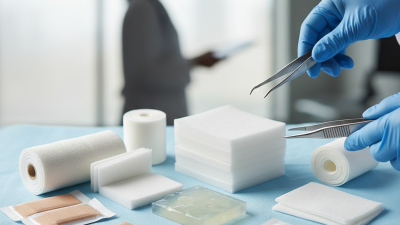
What Are the Top Wound Care Supplies in 2026?
In 2026, choosing the right Wound Care Supply is less about filling a cabinet and more about supporting safe, consistent healing. A clean dressing, suitable cleanser, secure fixation, and reliable measurement tools can influence daily care. The best supplies should match wound depth, drainage, tissue condition, patient comfort, and the clinician’s treatment plan. One product cannot solve every wound.
“ A wound is a symptom of a disease, not a disease itself,” says Dr. David G. Armstrong, a respected podiatric surgeon and wound-care researcher. His observation keeps product selection grounded in clinical reality. A foam dressing may manage moderate exudate, while a hydrogel may support moisture for a dry wound. Antimicrobial products can be useful in specific situations, but they should not replace assessment or appropriate medical treatment.
Small details matter. Edges should remain protected. Packaging should be intact. Expiration dates deserve attention. A dressing that lifts overnight can expose skin to friction, moisture, and contamination. That is not a minor inconvenience.
This guide examines the top Wound Care Supply categories expected to matter in 2026, including advanced dressings, cleansing products, compression materials, skin barriers, and documentation tools. It considers practical performance, evidence, ease of use, and patient experience. Some choices remain imperfect. Cost, availability, training, and individual response can change the outcome. Even an advanced product may fail when the wound cause is missed. Readers should treat this overview as educational guidance and confirm product selection with a qualified healthcare professional.
Define the 2026 wound-care landscape using the 8.2M-patient U.S. burden
What Are the Top Wound Care Supplies in 2026?
In 2026, the U.S. wound-care landscape is shaped by an estimated 8.2 million patients. That burden changes how clinics stock and use supplies. A small treatment room may need sterile saline, gentle cleansers, gauze, absorbent pads, and secure fixation materials. Skin barriers also matter, especially around draining wounds. Moisture can quickly damage fragile skin.
The most useful supplies support assessment as well as coverage. Clinicians often need disposable measuring guides, rulers, gloves, protective drapes, and clear documentation tools. For venous wounds, compression materials require careful fitting and vascular assessment. Pressure injuries may require offloading cushions, repositioning aids, and breathable support surfaces. Diabetic wounds demand close observation, pressure reduction, and timely referral when infection or tissue loss appears.
A full cart is not enough.
Real-world experience exposes gaps. Dressings may be available, but the correct size is missing. Instructions may be clear, yet follow-up documentation remains incomplete. Product selection should reflect wound depth, drainage, tissue condition, comfort, and the patient’s ability to manage care at home. Supplies should be checked for sterility, expiration dates, packaging damage, and storage conditions. Clinicians must follow current evidence, local protocols, and product instructions. Even then, care plans need review. Wounds change. A dressing that worked last week may trap moisture today.
Classify wounds by NPIAP stages, tissue type, drainage, and infection risk
What Are the Top Wound Care Supplies in 2026?
Choosing wound care supplies should begin with classification, not convenience.
The NPIAP staging system identifies Stage 1 through Stage 4 injuries, plus unstageable and deep tissue pressure injuries. Stage 1 usually needs pressure redistribution, gentle cleansing, moisture protection, and a transparent protective dressing. Stage 2 often benefits from a non-adherent contact layer and a moist, protective cover. Deeper wounds may require an absorbent foam, gelling fiber, or alginate dressing, but only after assessing the wound bed and circulation.
Look closely at tissue. Pink epithelial tissue needs protection.
Red granulation tissue needs moisture balance.
Yellow slough requires clinical evaluation,
while black eschar may hide deeper damage. Drainage also guides selection: light exudate may suit a thin foam, while heavy drainage calls for greater absorption and skin protection. The Agency for Healthcare Research and Quality reports that pressure injuries affect about 2.5 million hospitalized Americans annually, showing why consistent assessment matters (AHRQ, 2019). Infection risk changes the plan. Increasing pain, odor, warmth, swelling, purulent drainage, or spreading redness requires prompt clinical review. Antimicrobial dressings should not replace diagnosis or debridement decisions. A checklist helps, but it can miss ischemia, friction, or poor nutrition. Reassessment remains essential. Sometimes the “right” dressing is wrong after twelve hours.
Select dressings for exudate control as diabetes affects 537M adults globally
Diabetes affects 537 million adults worldwide, according to the International Diabetes Federation’s Diabetes Atlas, 10th edition. This population increases demand for reliable wound-care supplies. Diabetic foot wounds often produce variable exudate. Therefore, dressing choice should follow drainage volume, tissue condition, and infection assessment.
For light exudate, a non-adherent contact layer can protect fragile granulation tissue. Foam dressings suit moderate drainage and cushion pressure-prone areas. Alginate or gelling-fiber dressings can manage heavier exudate, while superabsorbent secondary layers help protect surrounding skin.
The International Working Group on the Diabetic Foot estimates a 19% to 34% lifetime risk of foot ulceration among people with diabetes. That figure makes moisture control a clinical priority, not a cosmetic preference.
Change the dressing when saturation approaches the wound edge. Inspect the periwound skin for whitening, peeling, or burning. A skin barrier film may reduce maceration, but it cannot replace pressure relief or glucose management.
I still see a common mistake: choosing the most absorbent product without measuring drainage. Too much absorption may dry the wound bed. Too little leaves exudate trapped. Product selection needs reassessment. Evidence from the IWGDF 2023 guidelines supports regular review, offloading, vascular assessment, and coordinated care. No dressing works alone. The difficult part is judgment.
Compare advanced supplies against the U.S. wound-care cost of $28.1B
What Are the Top Wound Care Supplies in 2026?
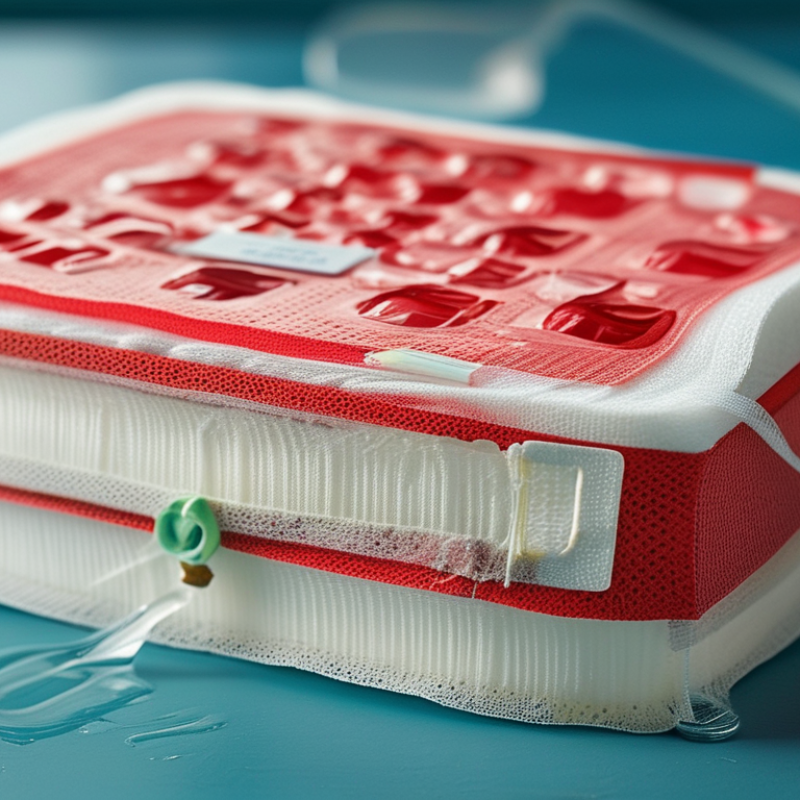
The U.S. wound-care burden is estimated at $28.1 billion, making supply selection a clinical and financial decision. Advanced dressings can support moisture balance, absorb heavy drainage, and reduce unnecessary changes. Antimicrobial materials may help manage bioburden when used after professional assessment. Foam, hydrofiber, collagen-based, and silicone contact layers each serve different wound conditions. Negative-pressure therapy can assist selected complex wounds, but it requires training and careful monitoring. The most expensive option is not always the most effective.
In practice, I look beyond the package label. I consider exudate, wound depth, skin condition, infection risk, patient mobility, and changing frequency. A dressing that stays secure during a work shift may prevent extra visits and wasted materials. Compression supplies remain important for some venous wounds, while protective barriers can reduce painful skin damage. Measurement tools and consistent photographs also improve clinical decisions. Still, product performance varies between patients. That part is easy to underestimate.
Tips: Match absorption to drainage, not appearance. Check surrounding skin at every change. Use clean technique and follow clinical instructions. Track supply use for one week. A simple log can reveal hidden costs. Review advanced therapy when standard care causes repeated leakage, pain, or frequent replacement. Ask a qualified clinician before changing treatment, especially with diabetes, poor circulation, or possible infection.
Build a safe home-care kit using CDC infection-prevention standards
What Are the Top Wound Care Supplies in 2026?
A safe home-care kit starts with infection prevention, not a crowded drawer. Keep alcohol-based hand sanitizer, liquid soap, disposable gloves, sterile gauze, saline, and sealed dressings together. CDC guidance recommends hand hygiene before and after wound care. Handwashing can prevent about one in three diarrhea-related illnesses and one in five respiratory infections, according to CDC community data. That matters when changing a dressing beside a kitchen sink.
Use clean scissors for packaging only. Do not let them touch the wound. Saline helps rinse visible debris without harsh household chemicals. Sterile gauze absorbs drainage, while a suitable dressing protects the healing surface. Add a lined waste bag, a thermometer, and a simple care log. Record pain, redness, swelling, drainage, and temperature. These small details support safer communication with a clinician.
WHO’s Global Guidelines on Hand Hygiene stress that gloves do not replace hand cleaning. That mistake remains common. Replace gloves between tasks, and never reuse disposable supplies. Check expiration dates and damaged packaging monthly. A home kit is rarely perfect; mine would still need better size choices for different wounds. Seek professional care for spreading redness, fever, severe pain, heavy bleeding, or a wound caused by an animal bite or deep object. CDC infection-prevention principles support caution, but they cannot replace clinical assessment.