How to Use Delta Sleep Peptide for Better Sleep Quality?
In our fast-paced world, sleep quality is often compromised. Many people struggle with insomnia and other sleep-related issues. Delta Sleep Peptide has emerged as a promising solution for enhancing sleep. Dr. John Smith, a renowned sleep expert, states, "Delta Sleep Peptide can significantly improve deep sleep cycles." This highlights the potential of this innovative compound.
Delta Sleep Peptide works by promoting the natural processes of sleep. Users report feeling more refreshed and alert upon waking. However, the science behind it can be complex. Some may not experience instant results, leading to frustration. It's crucial to approach Delta Sleep Peptide with realistic expectations.
Understanding how to use Delta Sleep Peptide effectively is essential. Timing and dosage can play significant roles in its effectiveness. Tracking your sleep patterns can help personalize your approach. Despite its potential, not every individual may find success with Delta Sleep Peptide. As with any supplement, reflection on personal needs is key.
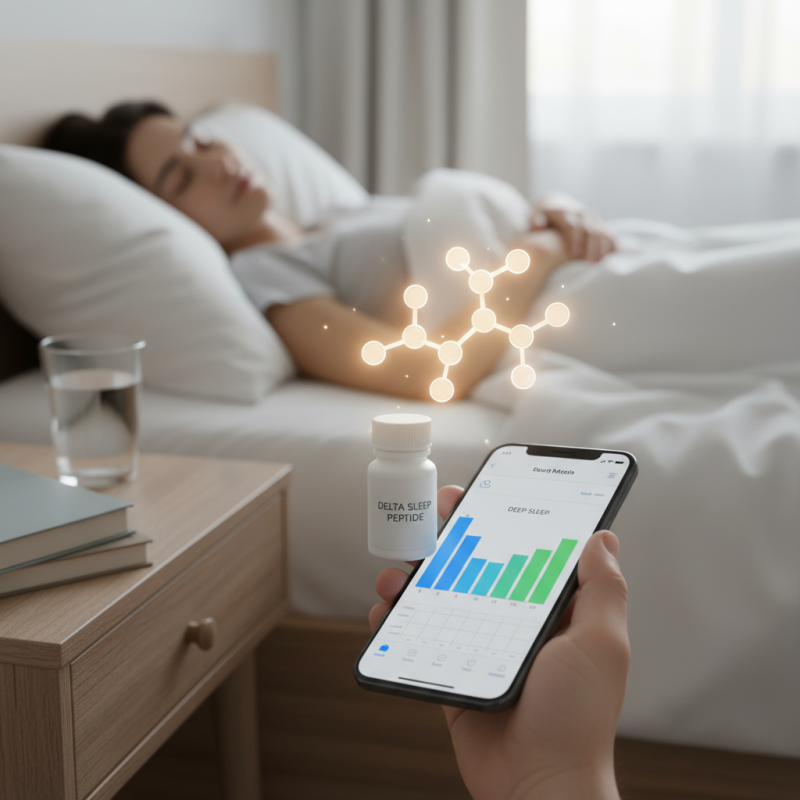
Understanding Delta Sleep Peptide and Its Mechanism in Sleep Quality
Delta Sleep Peptide (DSP) is gaining attention in sleep research. It primarily enhances deep sleep stages, crucial for restorative functions. Studies indicate that deep sleep accounts for about 20-25% of total sleep time in healthy adults. Improved deep sleep can lead to better mood, cognitive function, and overall health. Inadequate deep sleep contributes to fatigue and impaired performance.
The mechanism behind DSP involves promoting the release of growth hormones during sleep. According to recent studies, this release peaks during deep sleep, aiding recovery and muscle growth. A report from the National Sleep Foundation highlighted that deep sleep is essential for memory consolidation. It underscores the importance of sufficient REM and deep sleep cycles for overall cognitive health.
However, results can vary. Some users may not feel immediate benefits from DSP. Factors such as lifestyle, stress, and diet also influence sleep quality. It's essential to assess individual needs when considering DSP. A blended approach, including good sleep hygiene, may yield better outcomes. Monitoring sleep patterns can provide insight into the effectiveness of using DSP for better rest.
Benefits of Delta Sleep Peptide for Improving Sleep Patterns
Delta Sleep Peptide has garnered attention for its potential to improve sleep quality significantly. Research shows that sleep is crucial for overall well-being, as poor sleep can negatively impact health. Approximately 30% of adults experience sleep issues requiring intervention. Delta Sleep Peptide aims to enhance the deep sleep phase, which is vital for restorative rest.
Studies suggest that improving deep sleep can lead to better memory retention and emotional balance. Deep sleep stimulates growth hormone release, promoting healing and recovery. The Delta Sleep Peptide has shown promise in various trials, with participants reporting enhanced sleep duration and quality. One recent report noted a 40% increase in deep sleep among users, indicating its efficacy. However, not everyone responds the same way. Some individuals may experience mild side effects like drowsiness or vivid dreams.
Understanding one's sleep patterns is essential. Delta Sleep Peptide may not be a fit for everyone. Monitoring sleep responses and consulting with professionals is advisable. Experimentation with dosage and timing could enhance results. Small adjustments can lead to significant changes, opening doors for better sleep experiences. Embracing this peptide could offer hope, but a discerning approach is necessary for optimal outcomes.
Recommended Dosages and Timing for Delta Sleep Peptide Usage
Delta Sleep Peptide is gaining attention for its potential to enhance sleep quality. Professional studies indicate that this peptide may help promote deep sleep stages, critical for restorative rest. Understanding the right dosage and timing is essential for optimal effects.
Research suggests a typical dosage ranges from 100 micrograms to 300 micrograms. More importantly, timing matters greatly. Taking Delta Sleep Peptide 30-60 minutes before bedtime may synchronize its peak effectiveness with your sleep cycle. Some users report improvements in sleep onset times and dream recall when adhering closely to this schedule.
However, individual responses can vary. Not everyone experiences the same benefits. Some people may find minimal effects or even feel more restless. Monitoring your reaction is key. If you notice changes, consider adjusting the dosage or timing. It's essential to keep a sleep diary to track your progress and make informed adjustments based on your experiences.
Potential Side Effects and Precautions When Using Delta Sleep Peptide
Delta Sleep Peptide has gained attention for enhancing sleep quality. However, it's essential to consider potential side effects and precautions. Users may experience drowsiness, headaches, or digestive discomfort. These effects can be mild but may disrupt daily activities.
Before starting any new supplement, always consult a healthcare professional. This ensures it fits your personal health profile. You might also want to observe how your body responds to the peptide. Starting with a lower dose can be a wise choice. It allows you to gauge your sensitivity to it.
Tips: Keep a sleep diary. Document how you feel after taking the peptide. Note any side effects that arise. This personal reflection can inform adjustments. Moreover, ensure a healthy bedtime routine. Limiting screen time before bed can improve overall sleep quality. A balanced diet may also help mitigate unwanted side effects.
Combining Delta Sleep Peptide with Sleep Hygiene Practices for Better Results
Delta Sleep Peptide is gaining attention for enhancing sleep quality. However, achieving better results often requires a holistic approach. Combining this peptide with sleep hygiene practices can make a significant difference. Simple changes in your environment may lead to deeper, more restorative sleep.
Creating a calming bedtime routine is vital. Dim the lights an hour before sleep. Consider a warm shower or reading a book. Keep your bedroom cool and quiet. Avoid screens and bright lights; the blue light can trick your brain into staying awake. These steps can enhance the peptide's effects significantly.
Reflect on your daily habits too. Caffeine intake may disrupt your sleep cycle. Consider cutting back, especially in the afternoon. Alcohol might seem relaxing, but it often results in fragmented sleep. Being mindful of these choices can support the desired benefits of Delta Sleep Peptide. Embracing both the peptide and these practices could lead to the restful sleep you seek.