Why Is Wound Care Supply Important for Global Buyers?
For global buyers, Wound Care Supply is more than a list of dressings, gauze, and adhesive products. It directly affects treatment continuity, procurement risk, and patient comfort. A delayed shipment can leave a clinic with empty shelves. A poorly selected dressing may also increase labor, waste, or replacement costs. These details matter in real purchasing decisions.
Experienced buyers examine product performance, packaging quality, shelf life, and lot traceability before comparing prices. They review supplier credentials, technical documents, quality controls, and distribution capacity. Reliable suppliers should explain how products are tested, stored, and shipped. Clear communication is equally important when orders cross time zones, languages, and healthcare systems. Small details count. A crushed carton or unclear label can create avoidable problems.
Still, no sourcing plan is flawless. A familiar brand may not fit every market, and a low price can hide freight, storage, or quality concerns. Buyer assumptions can also fail when local clinical needs are overlooked. Careful evaluation is therefore essential. By combining practical experience, professional evidence, and transparent supplier information, global purchasers can build a Wound Care Supply strategy that supports consistent care. The goal is not simply to move products across borders. It is to deliver suitable supplies, in usable condition, when healthcare teams need them.

What Wound Care Supplies Include and Why They Matter
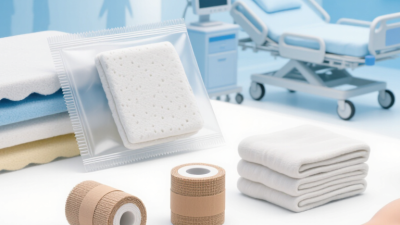
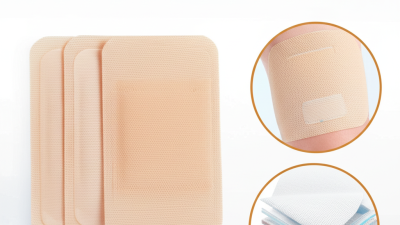
Wound care supplies include more than simple bandages. They cover gauze, foam dressings, absorbent pads, wound cleansers, medical tape, fixation products, gloves, and protective barriers. Some care settings also require compression materials or advanced dressings for specific wound conditions. Each item has a different role. A cleanser may help remove surface debris, while an absorbent dressing manages fluid and protects fragile tissue.
For global buyers, product details matter as much as product availability. Sterile packaging should remain sealed, clearly labeled, and easy to inspect. Lot numbers and expiration dates support traceability during storage and distribution. Buyers should also review material composition, sizing, absorption information, and instructions for use. A dressing that works well in a dry clinic may perform differently in a humid warehouse. Small storage details can create large problems.
In practical procurement, reliable suppliers provide consistent specifications and complete documentation. They should explain quality controls, packaging tests, and transport conditions without vague claims. I have seen purchasing lists appear complete while missing skin-friendly tape or suitable disposal supplies. That gap is easy to overlook. It may also increase handling time for nurses and caregivers. Buyers need to compare clinical purpose, local requirements, shipping risks, and total cost rather than choosing by unit price alone. Even experienced teams should recheck assumptions, because wound environments, patient needs, and supply conditions are rarely identical.
How Wound Care Supplies Support Healing and Infection Control
Wound care supplies support healing by protecting damaged tissue, controlling moisture, and limiting contact with harmful microorganisms. A suitable dressing can absorb drainage while preventing the wound surface from becoming excessively dry. Sterile gauze, nonwoven pads, saline, adhesive materials, and examination gloves each serve a practical purpose. Clean handling matters. In clinics and home-care settings, trained personnel should assess wound depth, drainage, skin condition, and infection signs before selecting products. A dressing suitable for a shallow abrasion may be unsuitable for a deep or heavily exuding wound. This difference is easy to overlook when purchasing mainly by price.
For global buyers, reliable supply depends on more than product availability. Buyers need clear specifications, intact packaging, lot identification, expiry dates, and storage guidance. These details support traceability and help staff use supplies safely across different facilities. Products should match local clinical practices, transport conditions, and expected humidity or temperature exposure. Infection control can fail through small gaps, including damaged seals, reused disposable items, or poor hand hygiene. That requires honest review. Even a well-designed dressing cannot replace wound assessment, cleaning protocols, or timely medical attention. Purchasing teams benefit from documented quality checks and feedback from nurses who use the materials daily.
Why Is Wound Care Supply Important for Global Buyers?
How wound care supplies support healing and infection control
The global number of adults living with diabetes is increasing, creating greater demand for reliable wound care supplies. Proper dressings, cleansing products, and infection-control materials help protect vulnerable wounds, manage exudate, and support a safer healing environment.
Data source: International Diabetes Federation, IDF Diabetes Atlas, 10th edition. Figures represent adults aged 20–79 living with diabetes worldwide.
Which Product Qualities Global Buyers Should Evaluate
Global wound care buyers evaluate more than price and product appearance. They need supplies that perform consistently in clinics, homes, and emergency settings. Absorbency, tensile strength, softness, and secure adhesion are practical quality indicators. A dressing should manage fluid without sticking painfully to fragile skin. Packaging should protect it from moisture, dust, and rough transport.
Evidence matters. Buyers should request test reports, sterilization records, shelf-life data, and clear instructions for use. Lot numbers and traceability support faster investigation when problems occur. Products also need stable performance across different climates. Heat and humidity can weaken adhesives or damage packaging. I have seen specifications look impressive while actual handling feels disappointing. Therefore, samples and controlled user trials remain valuable. No checklist is perfect.
Tips:
Compare samples under realistic conditions. Check opening ease, odor, flexibility, and seal quality. Ask how quality is monitored between production batches. Review delivery records, complaint procedures, and replacement policies. Avoid relying on one laboratory result. A product may pass a test yet perform poorly during long transport or repeated daily use. Keep evaluation records with photographs and measured observations. Small details often reveal larger supply risks.
How Regulations and Standards Shape International Purchasing
Why Is Wound Care Supply Important for Global Buyers?
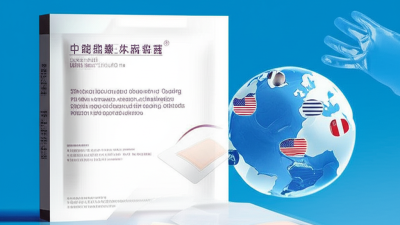
Wound care supplies are not ordinary commodities. Their safety depends on materials, sterility, packaging, and intended clinical use. For global buyers, regulations turn each purchase into a verification process. A dressing accepted in one market may need different registration, labeling, or evidence elsewhere. That difference can delay hospital delivery. It can also create avoidable clinical risk.
Small details matter.
Responsible purchasing teams review the destination market before comparing price or lead time. They check whether the product is classified as a medical device. They also confirm which conformity route applies. Depending on the market, buyers may request an ISO 13485-certified quality system, biocompatibility data, sterility validation, shelf-life testing, and technical documentation.
Labels should show lot numbers, expiry dates, storage conditions, and clear instructions in the required language. Where applicable, UDI, import records, and local registration must match the shipment. A missing translation can be as disruptive as a damaged carton.
Reliable suppliers provide traceable records, consistent specifications, and prompt audit responses. Buyers should compare certificates with actual production controls, not simply file them away. This is often overlooked.
A certificate alone does not prove every batch is safe. Sampling plans, environmental monitoring, complaint handling, and corrective actions reveal more.
A recurring purchasing mistake is trusting polished documents too quickly.
That weakness deserves review.
Clear quality agreements and pre-shipment checks reduce surprises, although they cannot remove every risk. Regulatory expectations change, so supplier reviews should be repeated.
How to Build a Reliable Global Wound Care Supply Strategy
A reliable global wound care supply strategy begins with patient needs, not product volume. Buyers should map common wound types, treatment settings, and expected monthly demand. A rural clinic may need compact dressings, while a surgical center requires sterile packs in larger quantities. This difference affects purchasing decisions.
Supplier qualification must include more than price comparisons. Review manufacturing licenses, quality certificates, material specifications, and product testing records. Check whether sterile products have intact packaging, clear expiry dates, and lot-level traceability. Request samples before approval. Test absorbency, adhesion, comfort, and package durability under realistic conditions. Small details matter.
Build a documented supplier evaluation process. Audit production controls when practical, and verify corrective actions after quality issues. Maintain at least one qualified alternative supplier for essential products. This reduces disruption from port delays, raw material shortages, or unexpected demand. Forecasts should use clinic consumption data and seasonal patterns. No forecast is perfect.
Inventory planning also needs local storage checks. Heat, moisture, and poor handling can damage wound care supplies before use. Define storage temperatures, inspection routines, and stock rotation rules. Keep shipping records, certificates, and complaint reports in one accessible system. Communication may still fail across time zones and languages. Write requirements clearly, confirm them in writing, and review performance regularly. A strong strategy is not fixed; it needs honest correction when field feedback exposes a weak assumption.