How to Source Wound Care Management Supplies in 2026
By 2026, sourcing Wound Care Management supplies will mean balancing clinical needs, dependable quality, and predictable availability. A clinic may need silicone dressings for fragile skin, compression wraps in several sizes, and negative-pressure therapy supplies on the same delivery schedule. A low purchase price helps only when products arrive on time and suit the patients being treated.
The market is substantial, but estimates need context. Grand View Research valued the global wound care market at about $21.4 billion in 2023 and projected a 4.5% compound annual growth rate through 2030. A widely cited U.S. analysis by Sen and colleagues estimated that chronic wounds affected 6.5 million people and cost more than $25 billion annually; those figures date to 2009, not 2026. They signal scale, not a current local budget. Small details matter. As wound-care specialist David G. Armstrong has emphasized, “Time is tissue.” That is a useful reminder when evaluating supplier lead times, product continuity, and clinically appropriate options.
A practical sourcing plan should compare more than catalog prices. Check product specifications, evidence, staff familiarity, delivery performance, and processes for handling shortages. Ask whether substitutes are clinically acceptable before a stockout forces a rushed choice. Track use by wound type and setting, then review the data with clinicians and purchasing staff. This is not perfect forecasting. Patient needs change, and procurement records can miss bedside realities. Still, clear criteria and regular review make decisions more transparent, safer, and easier to revise.

Define Wound Care Needs and Required Supply Categories
A wound-care supply plan should begin with the people and wounds being served, not a shopping list. Record the care setting, expected patient volume, staff skills, and dressing-change frequency. With guidance from qualified clinicians, note wound type, size, depth, drainage, surrounding skin, and signs that require reassessment. Small details matter. A shallow, dry wound may need different materials from one with heavy drainage. No single kit fits every case.
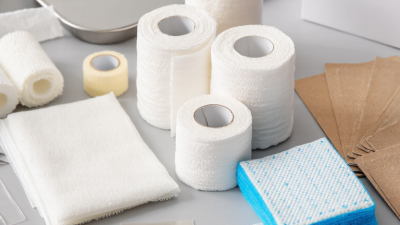
Group required supplies by task. Core categories often include wound-cleansing materials, primary and secondary dressings, securement products, and skin-protection barriers. Add gloves and other appropriate protective equipment, measuring tools, documentation forms, and approved waste containers. Match dressing properties to the care plan: absorbency, contact layer, and change interval all affect comfort and workload. Keep sizes that fit common wound dimensions, while avoiding excess stock that may expire unused.
Then estimate quantities using actual usage, delivery times, and storage capacity. A simple weekly count of dressings and gloves can reveal gaps before shelves are empty. Separate routine supplies from items needed for unexpected changes in drainage or wound size. Our first estimate is often wrong; review it after a few weeks. Check packaging integrity and expiration dates, and confirm that staff know where supplies are stored. Forecasts are useful, but patient needs can change quickly.
Verify Supplier Credentials, Product Safety, and Regulatory Compliance
Choosing wound care supplies in 2026 starts with evidence, not a polished catalog. Ask suppliers for current business credentials, manufacturing-site details, and traceable quality documents. Confirm that certificates cover the exact product and facility being offered. Check every detail. Review complaint handling, recall procedures, and lot-level traceability before placing a routine order.
Then examine product safety at the point of use. For dressings, gloves, cleansing products, or securement materials, verify intended use, labeling, storage conditions, and expiration dates. Request test reports and instructions for use, and compare them with the needs of your care setting. A sterile claim should be supported by appropriate packaging integrity and sterilization documentation. Small packaging flaws matter. Ask how the supplier handles damaged cartons, temperature excursions, and reported adverse events. Do not rely on a sample alone; production batches may differ.
Regulatory requirements vary by market and product category, so confirm applicable registrations and documentation with a qualified compliance professional. Keep dated records of checks, approvals, and supplier changes. Busy teams can miss an outdated certificate when ordering quickly. Build verification time into purchasing schedules, even when shelves are running low. No process is perfect. Recheck critical suppliers periodically, especially after a product, facility, or ownership change.
Compare Product Quality, Availability, Pricing, and Delivery Terms
When sourcing wound-care supplies in 2026, compare usable performance, not just catalogue specifications.
Check absorbency, package integrity, sterility where applicable, lot traceability, and shelf life. Request technical documents and evaluate samples against your care protocols. A polished specification sheet is not clinical validation.
Small trial first.
Availability needs evidence. Request fill rates, back-order history, substitution rules, and stock location; then test a small order before switching suppliers.
CDC reports that roughly 1 in 31 U.S. hospital patients has a healthcare-associated infection on any given day (CDC, 2024). WHO’s 2022 Global report on infection prevention and control estimates that these infections affect 7% of acute-care patients in high-income settings and 15% in low- and middle-income settings. These figures do not prove a dressing prevents infection, but they make consistent quality controls worth checking.
Compare landed cost per dressing change, including unit price, minimum order, freight, storage needs, and potential expiry losses. Get lead times, partial-shipment policies, damage claims, and emergency allocations in writing. A low quote can become costly when a missing size disrupts care. Review delivery records across several orders, not just one successful shipment.
Forecasts are imperfect; patient demand rarely follows a tidy schedule.
Establish Purchasing, Storage, and Inventory Management Procedures
How to Source Wound Care Management Supplies in 2026
Establish Purchasing, Storage, and Inventory Management Procedures
A dependable supply process starts with a clear list of products used in routine care. Work with clinical staff to define specifications, sizes, and acceptable alternatives before requesting quotes. Small gaps matter. Compare suppliers on consistent criteria, including product documentation, delivery reliability, and their process for handling shortages. Keep written records of approvals and purchasing decisions, so staff can trace why an item was selected.
Set minimum and maximum stock levels for frequently used dressings, gloves, and cleansing supplies. Base them on actual use, delivery times, and a reasonable buffer for disruptions. Store products in clean, dry areas, following the manufacturer’s temperature and handling guidance. Separate damaged or expired items from usable stock, and check expiry dates during routine inspections. Our first count may still be wrong; record discrepancies and adjust the process rather than hiding them.
Use a simple inventory log that records quantities, lot numbers, expiry dates, receipts, and withdrawals. Assign a staff member to review low-stock alerts and place orders before supplies run short. Keep it visible. Rotate stock so older items are used first, while preserving lot information for traceability. Review usage and discarded products each month; unexpected waste can reveal over-ordering, storage problems, or a mismatch between purchasing assumptions and care needs.
Review Clinical Outcomes and Update Sourcing Decisions for 2026
For 2026, review wound outcomes before renewing supply contracts.
Track healing time, wound-area change, infection, dressing wear time, leakage, and patient comfort. Use consistent measures across care settings; otherwise, comparisons can mislead.
Numbers matter.
Sen et al., writing in Wound Repair and Regeneration in 2019, estimated that 8.2 million US Medicare beneficiaries had wounds in 2014. Their estimated annual costs ranged from $28.1 billion to $96.8 billion.
That scale makes avoidable waste worth examining, but cost alone cannot show whether a supply supports better care.
Compare products against the needs of the wound, not a preferred category.
The 2023 International Working Group on the Diabetic Foot guidance emphasizes best standard care and does not support choosing topical dressings solely for a healing benefit. For sourcing, request clinical evidence, clear product specifications, and reliable sizing and availability. Then compare results for similar wounds, including supply use per healed wound and reasons for switching. Some evidence is thin. I would not treat a small pilot as proof; still, it can reveal practical problems, like edge lift after a patient walks or exudate leaking before a scheduled change. Update decisions when outcomes, staff feedback, or patient comfort point to a real difference.