What Is Wound Care Management and Why Is It Important?
Wound Care Management is the organized process of assessing, treating, and monitoring a wound until healing becomes safe and measurable. It includes more than changing a dressing. Clinicians examine wound size, depth, tissue color, drainage, odor, surrounding skin, pain, and possible infection. A small wound can worsen quietly. Careful observation matters.
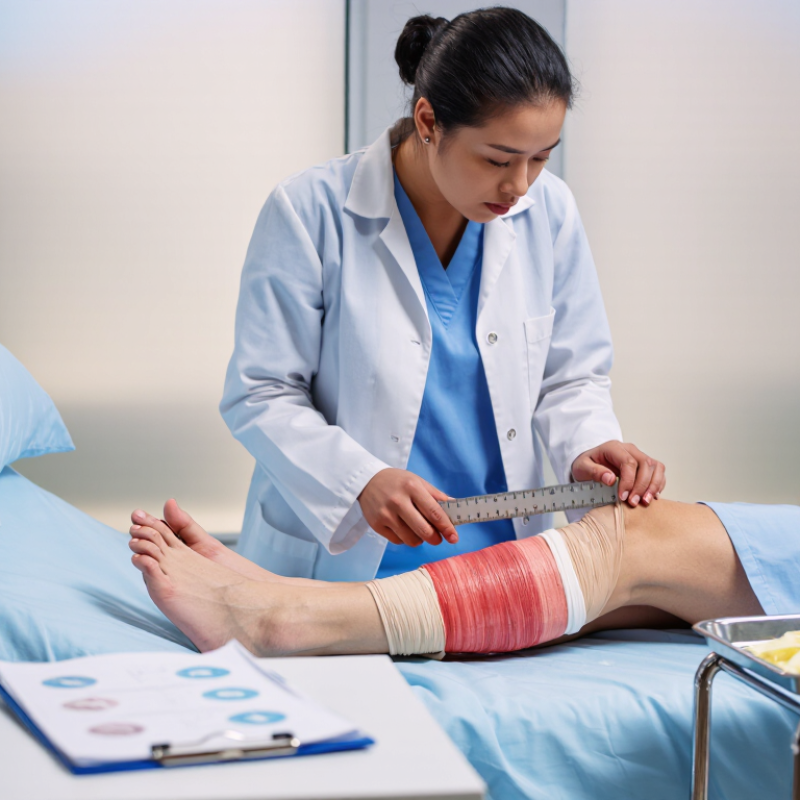
Effective management also addresses the cause. Pressure, poor circulation, diabetes, immobility, and repeated friction may delay recovery. A suitable plan may include cleansing, moisture control, pressure relief, nutrition support, infection assessment, and scheduled reassessment. Experienced healthcare professionals may measure a wound with a sterile ruler and record changes with approved photographs. These details help the care team identify progress or deterioration.
Wounds rarely heal by guesswork.
Reliable care follows clinical evidence, local protocols, and the patient’s individual condition. No single dressing works for every wound, and familiar products can still be unsuitable. This is where practical experience must meet professional judgment. A wound that appears cleaner may still contain unhealthy tissue. A patient who reports less pain may still need urgent review.
Wound Care Management is important because delayed treatment can increase infection risk, discomfort, tissue damage, and healthcare costs. It can also limit movement and affect sleep, confidence, and daily routines. Yet healing is not always predictable. Even careful plans may require revision when the wound changes. Patients and caregivers should seek qualified medical advice, especially when redness spreads, drainage increases, fever develops, or pain suddenly worsens. Clear documentation, regular review, and honest communication create safer decisions and more reliable outcomes.
Definition and Scope of Wound Care Management
Wound care management is an organized clinical process for helping damaged tissue heal safely. It covers assessment, treatment, monitoring, education, and prevention. The goal is not simply to close the skin. It is to restore function, control discomfort, and reduce infection risk. Every wound tells a different story. A surgical incision, pressure injury, burn, or diabetic ulcer may require a different plan.
The scope begins with a detailed assessment. Clinicians review the wound’s cause, size, depth, drainage, odor, and surrounding skin. They also consider circulation, blood glucose, nutrition, mobility, medications, and pain. A warm red edge may signal inflammation or infection. Pale tissue can suggest poor blood flow. Treatment may include gentle cleansing, moisture balance, pressure relief, debridement, protective dressings, or referral to another specialist. Care plans should follow current evidence and approved clinical guidance.
Patient participation is part of the work. A nurse may teach someone to inspect a foot each evening, while a clinician records changes with measurements and photographs. Families may need guidance about hygiene, movement, and warning signs. Reassessment is essential because wounds can change between appointments. Protocols help, but they cannot replace judgment. A dressing can look clean while deeper tissue deteriorates. That possibility deserves attention. In practice, documentation may be incomplete, and pain reports may vary. Care teams must remain willing to question an early assumption and adjust treatment safely.
Types of Wounds and Their Common Causes
Wound care management involves assessing, cleaning, protecting, and monitoring damaged skin and tissue. The wound type often reveals its likely cause. Acute wounds usually result from sudden events, such as cuts, falls, punctures, or burns. A kitchen knife may create a clean laceration, while gravel can leave dirt inside an abrasion. Puncture wounds can look small but reach deeper tissue.
Chronic wounds develop slowly or fail to heal within the expected time. Pressure injuries may appear over the tailbone, heels, or hips after prolonged immobility. Diabetes can reduce sensation and blood flow, allowing a foot blister to become a serious ulcer. Venous ulcers commonly form near the lower ankle, with swelling and skin discoloration. Arterial ulcers may appear on toes and feel sharply painful, especially when the leg is raised.
Surgical wounds are created intentionally but still need careful observation for infection or separation. Burns vary from superficial redness to deep tissue damage, depending on heat, chemicals, electricity, or radiation. Some wounds are obvious. Others are not. A wound may look clean while bacteria remain underneath. Healthcare professionals assess size, depth, drainage, odor, pain, circulation, and surrounding skin. Treatment may include gentle cleansing, suitable dressings, pressure relief, or referral for further care. Healing is rarely perfectly predictable. Even a small wound can worsen when swelling, poor nutrition, smoking, or uncontrolled blood sugar is present. Increasing redness, warmth, pus, fever, or spreading pain requires prompt medical evaluation.
Professional Roles and Care Planning
What Is Wound Care Management and Why Is It Important?
Professional Roles and Care Planning
Wound care management combines assessment, treatment, prevention, and regular review. It is not simply dressing a wound. A registered nurse may measure depth, drainage, odor, and surrounding skin. A physician or advanced practitioner investigates infection, circulation, pressure, or diabetes. A dietitian checks protein intake, while a podiatrist may reduce pressure from walking. Each role sees a different part of the problem.
The need is substantial. A 2021 analysis in Wound Repair and Regeneration estimated that 8.2 million United States Medicare beneficiaries received wound-related care in 2014. Estimated annual costs ranged from 28.1 to 96.8 billion dollars. Diabetes adds further risk. The International Diabetes Federation reported 537 million adults living with diabetes in 2021. Care plans should therefore record goals, treatment frequency, mobility limits, pain, nutrition, and warning signs. A small measurement error can change the plan. That deserves attention.
Tips: Photograph wounds only under approved clinical policies, using consistent lighting and scale. Measure length, width, and depth consistently. Ask the patient to describe pain in their own words. Review the plan after deterioration, not only during scheduled visits. A rushed handover can erase important details, especially changes in odor, drainage, or skin color. No plan is perfect. Patient response may challenge the original assumption, and clinicians should document that change clearly.
Sources: Sen CK et al., Wound Repair and Regeneration, 2021; International Diabetes Federation, Diabetes Atlas, 10th edition, 2021.
Wound Healing Timeline for Care Planning
Wound healing generally progresses through overlapping phases: hemostasis, inflammation, proliferation, and remodeling. These approximate time windows help nurses, physicians, wound specialists, dietitians, and therapists coordinate assessment, treatment, nutrition, mobility, infection prevention, and reassessment. Actual healing time varies according to wound depth, perfusion, infection, diabetes, nutrition, age, and other patient factors.
Time windows are approximate ranges reported in standard clinical wound-healing literature; they are not a substitute for individualized clinical assessment.
Benefits, Risks, and Prevention of Wound Complications
Wound care management involves assessing tissue damage, controlling infection risk, protecting the wound, and supporting healing. It also addresses nutrition, blood flow, mobility, and chronic disease. A dressing alone is not a plan. In clinical practice, nurses and physicians regularly measure wound size, drainage, odor, pain, and surrounding skin. These details reveal whether treatment is working or quietly failing.
Prevention reduces complications, hospital stays, and avoidable procedures.
The International Working Group on the Diabetic Foot reports that diabetic foot ulcers affect about 19% to 34% of people with diabetes during their lifetime. Daily foot checks, suitable footwear, glucose control, and early referral can reduce serious outcomes. The World Health Organization reports surgical-site infections affect up to 11% of surgical patients in low- and middle-income settings. Hand hygiene, sterile technique, timely antibiotics when indicated, and clear discharge instructions remain essential. Small changes matter.
Risks still exist. Wounds may deteriorate because of poor circulation, pressure, malnutrition, smoking, or delayed assessment. The Agency for Healthcare Research and Quality identifies pressure injuries as a major patient-safety concern in hospitals and long-term care. Repositioning schedules, moisture control, pressure-relieving surfaces, and regular skin checks help prevent them. Yet prevention is not flawless. Documentation can be incomplete, and patients may hide pain or neglect small blisters. A practical plan should include teach-back, follow-up dates, and clear warning signs, such as spreading redness, fever, increasing pain, or foul drainage.