What Is a Wound Dressing and What Types Are Available?
A Wound Dressing is more than a cover placed over an injury. It helps manage moisture, absorb drainage, protect fragile tissue, and reduce contact with dirt. The right choice depends on the wound’s depth, location, healing stage, and amount of fluid. A small, dry scrape may need a simple protective dressing. A heavily draining wound may need a more absorbent option. Fit matters, too: a dressing that rubs against a heel can cause trouble instead of comfort.
Wound-healing researcher George D. Winter’s landmark work established an enduring principle: “The rate of epithelialisation of superficial wounds is increased by a moist environment.” That insight helped shape modern dressing choices, but it does not mean every wound should be kept wet. Balance matters. A dressing should support healing without leaving surrounding skin soggy or allowing fluid to collect.
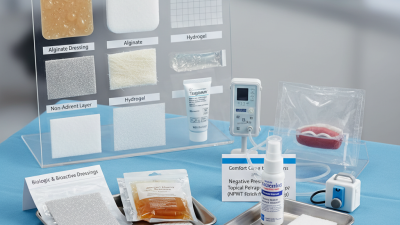
There are many types. Gauze, films, foams, hydrocolloids, alginates, and hydrogels each have different uses and limitations. Some protect; others absorb fluid or help maintain moisture. Not interchangeable. Choosing one without checking the wound can lead to irritation, leakage, or delayed care. This guide explains what a Wound Dressing does, how common types differ, and what details matter when selecting one. It is a practical overview, not a substitute for clinical assessment. Wounds can be unpredictable. And even a neat-looking dressing does not tell the whole story.
What a Wound Dressing Is and What It Does
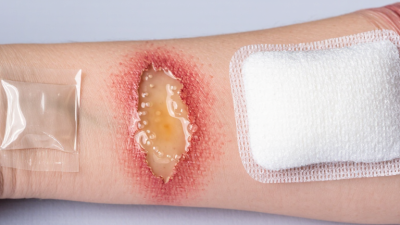
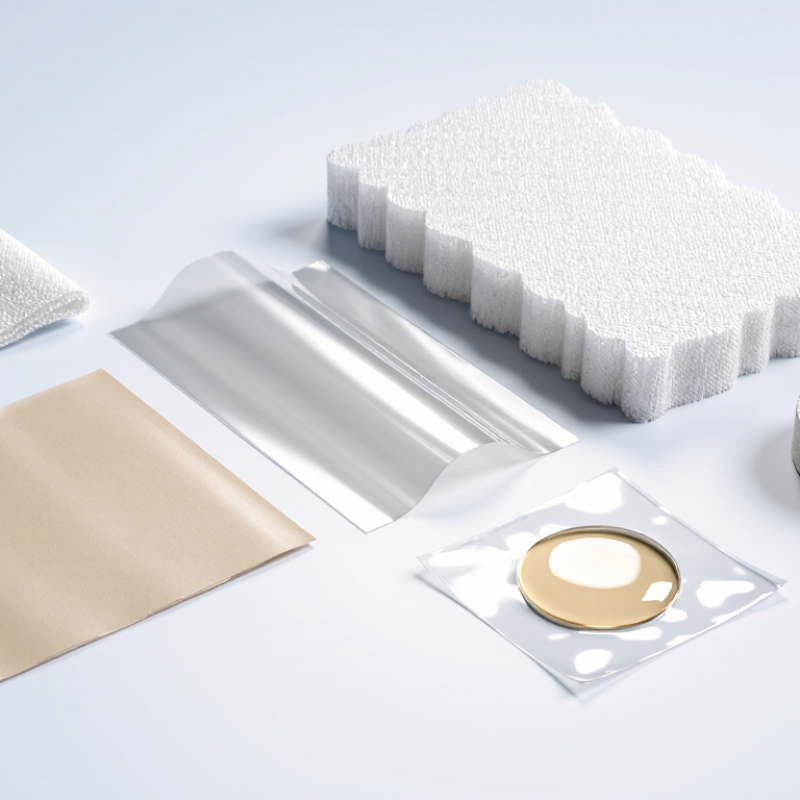
A wound dressing is material placed directly over an injury to protect it while the skin repairs itself. It may be a thin film, a soft pad, or a gel-forming sheet. A dressing is not always the same as a bandage: the dressing touches the wound, while a bandage may hold it in place. Small distinction, but useful.
Dressings help keep dirt and germs away, absorb fluid, and maintain a suitably moist surface. That moisture can support healing; a wound that dries into a hard scab may be harder to care for. The right choice depends on the wound’s size, depth, location, and amount of drainage. For example, a small scrape may need a simple protective pad, while a heavily draining wound may require a more absorbent material. No single dressing suits every wound.
Some dressings stick to the surrounding skin, while others need tape or a wrap. Changing one should begin with clean hands, and the wound should be checked for new redness, warmth, swelling, worsening pain, or unusual discharge. Follow the product instructions or a clinician’s advice, especially for deep wounds or wounds that do not improve. In practice, selecting a dressing can feel less straightforward than it sounds; drainage and skin sensitivity may change over time. A dressing that worked yesterday may need reconsideration today.
What Is a Wound Dressing and What Does It Do?
A wound dressing covers and protects an injury and can help manage moisture and wound fluid (exudate). This chart summarizes common roles: 0 means generally not a primary function, 1 means a secondary or limited function, and 2 means a common primary function. These are qualitative descriptions, not clinical performance ratings; the right dressing depends on the wound and should be selected with appropriate clinical guidance.
How Dressings Support the Wound-Healing Process
A wound dressing is more than a cover. It helps maintain a healing-friendly environment while protecting exposed tissue from friction, dirt, and excess moisture. A moist wound surface can support cell movement and tissue repair. Too much moisture, though, softens nearby skin and may cause damage. The dressing must balance both. It also needs to manage drainage without sticking to delicate new tissue.
The Agency for Healthcare Research and Quality estimates that 2.5 million people in the United States develop pressure ulcers each year. For these wounds, a dressing can protect the site, but it cannot replace pressure relief or regular reassessment.
The Cochrane review of dressings for pressure ulcers included 51 studies and 2,947 participants; evidence was too uncertain to identify one clearly superior dressing.
The evidence is not tidy. Foam may suit a wound with heavier drainage, while a low-adherent contact layer can reduce trauma during changes. Yet wound depth, surrounding skin, pain, and drainage can shift over time. A dressing that worked last week may now trap too much fluid. Clinicians should reassess the wound and adjust care as it changes. Each dressing change offers useful information, but appearance alone does not tell the whole story.
The Main Types of Wound Dressings
Wound dressings protect injured skin, absorb fluid, and help maintain conditions that support healing. The right choice depends on the wound’s depth, moisture, and location. A dressing that works well on a shallow scrape may not suit a deep or heavily draining wound.
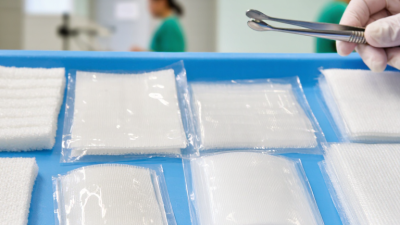
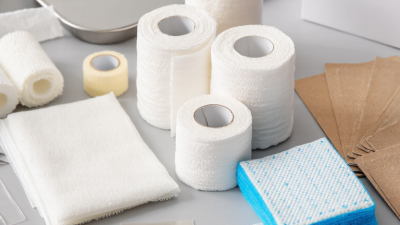
Gauze is familiar and versatile. It can cover a wound or absorb fluid, but dry gauze may stick and cause discomfort during removal. Foam dressings cushion areas such as heels and absorb moderate drainage. Transparent film dressings let you see the skin beneath them, making them useful for minor wounds with little fluid. They are less suitable when drainage is heavy.
Hydrocolloid dressings form a moist covering and may suit some shallow wounds with light to moderate drainage. Alginate dressings absorb more fluid and are often used for wounds that drain heavily; they usually need a secondary covering. Hydrogels add moisture to dry wounds, but they are not a fit for every wound.
Not interchangeable.
A clinician can assess the wound and explain when to change the dressing. Even the neatest-looking option can be wrong if the wound’s condition changes. Pain, spreading redness, warmth, or unusual discharge deserve prompt medical attention.
How to Match a Dressing to a Wound
Choose a dressing by the wound’s moisture, depth, tissue, and surrounding skin—not by habit. A dry wound may need moisture donation, while a heavily draining wound often needs greater absorption. Too much moisture can soften the edges; too little can leave the wound bed dry. Small details matter. Check for fragile skin, tunnels, odor, and changes in drainage at each dressing change. The Agency for Healthcare Research and Quality has reported that pressure injuries affect more than 2.5 million hospitalized patients annually in the United States. That scale underscores why assessment and pressure relief matter alongside dressing choice.
For shallow wounds with light drainage, a protective film or thin foam may be suitable; deeper wounds may need a cavity-filling material that does not pack tightly. Use caution. The 2023 International Working Group on the Diabetic Foot guidelines describe a 19–34% lifetime risk of foot ulceration for people with diabetes. For these wounds, assess circulation, infection, and pressure—not just the visible surface. A dressing cannot restore poor blood flow or offload a foot. Match the change schedule to drainage and clinical advice, and reassess if pain, redness, or exudate increases. The imperfect part: wound appearance can change quickly, so yesterday’s choice may no longer fit.
How Wound Dressings Are Applied and Changed
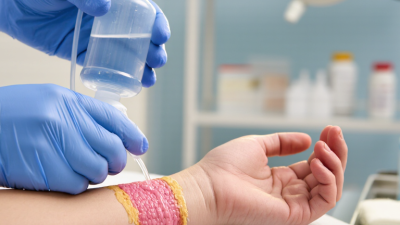
Before applying a wound dressing, wash your hands with soap and water and prepare clean supplies. Follow the care instructions from your clinician, especially after surgery or for a deep wound. If advised, gently rinse the area with clean running water or saline. Pat the surrounding skin dry with clean gauze. Avoid touching the part of the dressing that will cover the wound. Place it so the wound is fully covered, then secure it without pulling the skin tight.
Change the dressing as often as your care instructions recommend, or sooner if it becomes wet, dirty, or loose. Peel back tape slowly while supporting nearby skin. If the dressing sticks, moisten it with clean water or saline; do not pull it off forcefully. Look for changes such as spreading redness, increasing warmth, swelling, worsening pain, or unusual discharge. These signs deserve prompt medical advice. A little uncertainty is normal, and wound-care instructions can differ depending on the injury.
Tips: Keep spare dressings in a clean, dry place. Write down when you changed one if the schedule is easy to forget. If bleeding will not stop, or you develop a fever, contact a healthcare professional promptly.